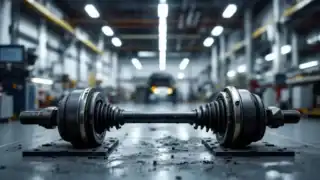
A tailshaft connects your transmission to the rear differential, transferring engine power to your wheels. On Japanese vehicles, tailshaft repair in Kirrawee is often a job that catches owners by surprise — not because it’s common, but because when it does go wrong, the symptoms can feel serious and urgent. Whether you’re hearing grinding noises from underneath, feeling vibration through the cabin, or noticing your vehicle won’t move smoothly in gear, a failing tailshaft demands proper diagnosis before you book a fix.
What Symptoms Tell You a Tailshaft Needs Attention?
A tailshaft can wear out in several distinct ways, and each presents differently. The most common signs include:
- Vibration felt through the car body, especially at higher speeds or when accelerating
- Clunking or grinding sounds from underneath the vehicle, particularly when shifting gears or turning
- A noticeable drop in traction or difficulty getting power to the wheels smoothly
- Play or movement in the rear axle area when the car is parked and you push it side to side
- Grease leakage around the tailshaft mounting points or centre bearing
On Japanese vehicles especially, tailshaft wear often stems from worn centre bearings (the bearing that supports the middle of the shaft on longer vehicles), universal joint deterioration, or damage from hitting a kerb or pothole. Toyotas, Nissans, Mitsubishis, and Mazdas all tend to show similar wear patterns, though the specific design of the shaft and its supporting components varies by model and generation.
How We Diagnose Japanese Vehicles Tailshaft Repair in Kirrawee
Diagnosis is where tailshaft work separates a proper fix from a quick patch. We start by listening carefully to where and when the noise or vibration occurs. Is it under load, at idle, during a turn? That tells us whether we’re looking at bearing wear, joint play, or something else entirely. From there, we physically inspect the tailshaft under the vehicle while it’s safely lifted and supported.
Our inspection covers several critical points specific to Japanese vehicle tailshafts:
- Universal joints for wear, corrosion, or spalling (pitting on the bearing races)
- Centre bearing condition and alignment, which is particularly important on longer shafts
- Rubber bushes and mounting brackets for cracks or deterioration
- The shaft itself for bending, scoring, or corrosion that could indicate impact damage
- Transmission and differential flanges for runout or loose fasteners
We also cross-reference the specific logbook service schedule for your vehicle’s make and model. Toyota logbooks, for instance, sometimes include tailshaft inspection points at major services, so we check whether any prior work was documented. This helps us understand whether wear is age-related, impact-related, or the result of a previous repair that wasn’t done correctly.
What Repair or Replacement Involves
Once we’ve identified the fault, the fix depends on what’s actually worn. Sometimes it’s a bearing replacement or universal joint overhaul on the existing shaft — a more economical option if the shaft itself is straight and in good condition. Other times, the shaft has been bent or damaged beyond practical repair, and replacement is the better choice.
If we’re replacing the entire tailshaft on your Japanese vehicle, we’ll fit either a genuine OEM replacement (exact match to your vehicle’s engineering) or a quality equivalent that meets the same specifications. We discuss both options with you upfront so you know what’s going into your car and why. There’s no upselling here — we recommend what your vehicle actually needs based on the fault we’ve found and the parts that will last.
Installation involves removing the old shaft, inspecting the transmission and differential flanges for damage, cleaning and greasing the contact surfaces, and carefully aligning the new or repaired shaft before bolting it securely in place. We then test-drive your vehicle to confirm the vibration or noise is gone and that power delivery is smooth and responsive.
Factors That Affect Cost and Turnaround Time
A straightforward tailshaft repair (bearing or joint replacement) is faster and more affordable than a full shaft replacement. However, parts availability matters. Some Japanese vehicle models have shafts readily stocked or available within a day or two, while others may need to be ordered, adding wait time. We’ll let you know upfront where we stand with parts for your specific vehicle so there are no surprises.
Damage severity also plays a role. A bent shaft discovered during inspection might require a specialist shop to straighten, which adds time. A severely corroded or scored shaft often cannot be repaired safely and needs replacement. We’re honest about these constraints rather than promising timeframes we can’t keep.
Labour time varies based on whether your vehicle has easy under-body access and how the tailshaft is mounted. Sedans and hatchbacks are typically more straightforward than utes or vans with more complex suspension geometry.
Why Shire Tune & Service Handles Japanese Vehicles Tailshaft Repair
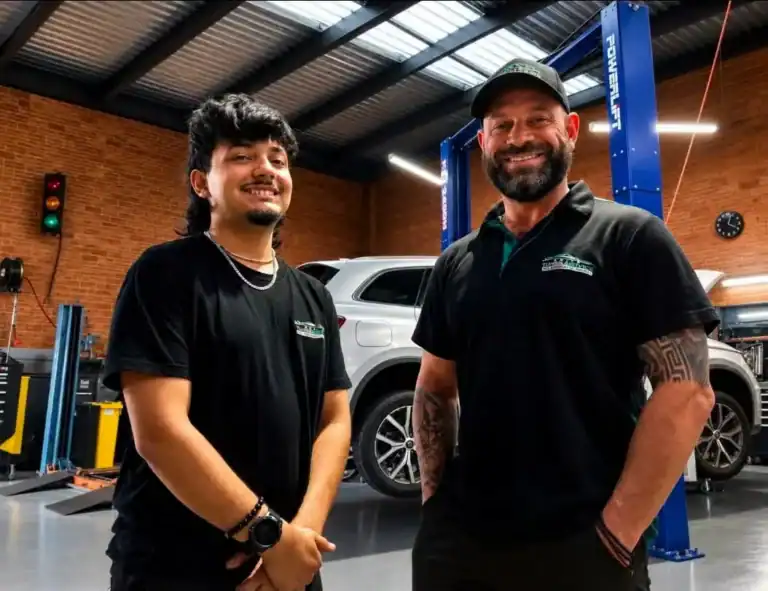
We’ve been servicing Japanese vehicles in Kirrawee for 18 years, and tailshaft diagnostics is one area where proper equipment and experience really count. A guessing diagnosis can leave you replacing parts that aren’t actually faulty. We use up-to-date diagnostic tools and a methodical inspection process to nail the fault on the first visit.
Over 30 years in the trade means we’ve seen tailshaft wear on dozens of different Japanese makes and generations. We know which models tend to suffer bearing issues, which designs are prone to universal joint wear, and where impact damage commonly occurs. That knowledge means faster diagnosis and more accurate advice.
We use genuine or genuine-equivalent parts fitted to OEM specifications, so your repair protects your vehicle’s long-term reliability. If your car is still under manufacturer warranty, our work won’t compromise it — we use the right parts and follow the correct procedures.
Most importantly, we don’t oversell. If a centre bearing is worn but the rest of the shaft is sound, we’ll repair it rather than pushing a full replacement. That’s the honest approach we’ve built our reputation on in Kirrawee.
Get Your Tailshaft Inspected Today
If you’re hearing vibration or noise from underneath your Japanese vehicle, don’t ignore it. Call Us Today to describe what you’re noticing, or Book Your Free Inspection online. We’ll diagnose the fault properly and explain exactly what needs to happen next.