A tailshaft connects your Nissan’s transmission to the rear differential, transferring engine power to the wheels. When it wears out or fails, you’ll notice vibration, clunking sounds, or a complete loss of drive. Nissan tailshaft repair isn’t something you can ignore—it’s essential to keeping your car safe and roadworthy. At Shire Tune & Service in Kirrawee, we’ve spent over 30 years diagnosing and repairing tailshaft problems across Japanese vehicles, including Nissan’s full range from compact cars to utes and SUVs. We use modern diagnostic equipment to pinpoint exactly what’s wrong before you pay for anything.
What Are the Signs Your Nissan Tailshaft Needs Repair?
Tailshaft problems don’t always announce themselves dramatically, but there are clear warning signs to watch for. The most common is a vibration felt through the steering wheel or seat, especially at highway speeds. You might also hear a clunking or grinding noise from underneath the car when you accelerate or decelerate. Some owners describe it as a rhythmic thumping that gets worse the faster you drive.
Other symptoms include a metallic rattling sound when starting from a standstill, or noticing that your car feels loose or delayed when you put it in gear. In severe cases, you might lose power to the rear wheels altogether—a sign that the tailshaft has separated or fractured. Don’t wait for complete failure. These issues tend to worsen quickly once they start, and driving on a damaged tailshaft risks damaging other components, like your gearbox or differential.
- Vibration at highway speeds or during acceleration
- Clunking or grinding sounds from underneath
- Rattling noise when starting from standstill
- Delayed power delivery or sluggish response
- Loss of drive or inability to move the vehicle
How We Diagnose and Repair Nissan Tailshaft Problems
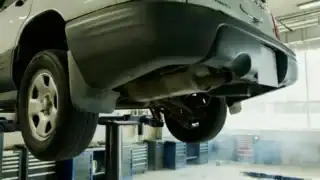
When you bring your Nissan in for tailshaft inspection, we start by lifting the car safely and visually examining the shaft, bearings, and U-joints for wear, rust, or obvious damage. We spin the wheels by hand to feel for roughness or play, which tells us if the bearings are worn. We also check the bolts and fasteners that hold the tailshaft in place—loose connections are a common culprit and are far cheaper to fix than a damaged shaft.
For Nissan models, we’re familiar with the specific tailshaft designs used across their range. Some Nissans have a single piece tailshaft, others a two-piece design with a centre bearing—each requires a slightly different approach. We also test-drive the vehicle to confirm the symptoms you’re describing and rule out problems with the transmission, differential, or suspension that might mimic tailshaft wear.
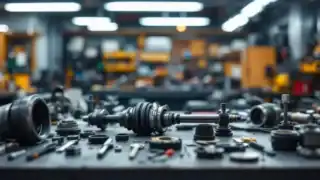
Once we’ve identified the fault, we’ll explain your options. If the bearings or U-joints are worn, we can replace those components and rebuild the shaft, which is often the most cost-effective solution. If the shaft itself is bent, cracked, or severely damaged, we’ll source a quality replacement—either genuine Nissan parts or equivalent aftermarket items that meet OEM specifications. We always use parts that align with your vehicle’s warranty coverage, so you’re never at risk of voiding protection through our repairs.
What Affects the Cost and Timeline for Your Repair
Several factors influence both the price and time needed to complete Nissan tailshaft repair. The severity of the damage matters most—a worn bearing or U-joint replacement is quicker and cheaper than fabricating or replacing an entire shaft. The model and year of your Nissan also plays a role. Newer vehicles sometimes require the gearbox to be partially lowered to access the tailshaft safely, which adds labour time.
Parts availability can affect your timeline. Genuine Nissan tailshafts are usually available locally, but if you’re driving a less common model or need a specialist component, we may need to order parts. We’ll always confirm lead times with you upfront so there are no surprises. Whether you choose genuine Nissan parts or quality aftermarket equivalents also influences cost—we stock both and will discuss the trade-offs with you honestly.
The condition of the surrounding components matters too. If the tailshaft damage has worn the differential or transmission mounts, we may recommend addressing those at the same time to prevent the problem recurring. We never push unnecessary work on you, but we will flag issues that could cause costly failures later if left alone.
Why Choose Shire Tune & Service for Your Nissan Tailshaft Repair in Kirrawee
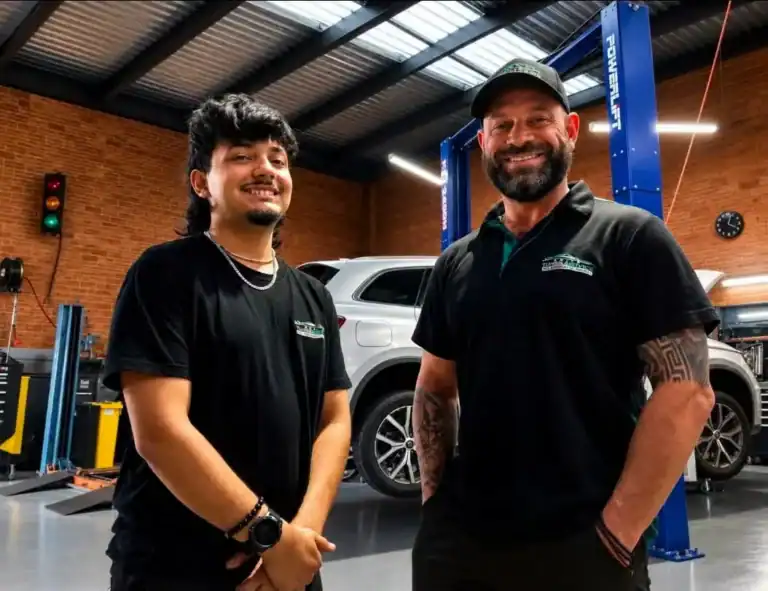
We’re a local, owner-operated workshop with 18 years of experience serving Kirrawee and the Sutherland Shire. Our owner has over 30 years’ hands-on experience in automotive repair, and we’ve built our reputation on honest advice and fair pricing—the opposite of the upsell pressure you sometimes get from larger dealers or quick-fit chains.
We specialise in Japanese vehicles like Nissan, with up-to-date diagnostic equipment that lets us identify faults accurately and avoid unnecessary parts replacement. You’ll never be guessing about what your car needs. We source genuine parts where they make sense and can confidently discuss why an alternative might be equally suitable and save you money. Most importantly, our repairs protect your manufacturer warranty—logbook servicing and quality work performed by experienced technicians mean you won’t jeopardise coverage.
If you’re a fleet or business owner relying on your Nissan for work, we understand uptime matters. We prioritise getting your vehicle back on the road and will discuss scheduling options that minimise disruption to your business.
Next Steps: Get Your Nissan Tailshaft Inspected
If you’ve noticed vibration, clunking, or any of the symptoms described above, don’t delay. The sooner we diagnose the problem, the sooner we can get it fixed and prevent secondary damage. Call Us Today to discuss your symptoms, or Book Your Free Inspection online. We’ll have your Nissan back to smooth, quiet operation in Kirrawee.