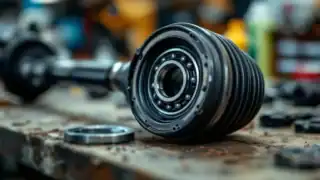
Your Subaru’s tailshaft is the spinning shaft that connects the transmission to the rear differential, transferring engine power to the wheels. When a tailshaft develops wear, damage, or misalignment, you’ll notice vibration, clunking sounds, or loss of power delivery. Subaru Tailshaft Repair in Kirrawee requires accurate diagnosis and precise work because the tailshaft runs at high speed and bears constant load. A failing tailshaft affects not just comfort but safety, especially on Shire roads where you need reliable power delivery in traffic or at speed. We’ve spent over 30 years diagnosing and repairing drivetrain issues on Japanese and European vehicles, and Subaru tailshaft problems are something we see regularly enough to know the common failure patterns on different models.
Symptoms of a Failing Subaru Tailshaft
The most obvious sign is vibration felt through the floor or steering wheel when accelerating or at cruising speed. You might also hear a dull clunking or banging noise from underneath the vehicle, especially when you shift gears or apply throttle suddenly. Some owners report a slight rubbing or grinding sensation during cornering, which can indicate bearing wear within the tailshaft assembly. A worn tailshaft can also cause the vehicle to feel less responsive when accelerating, as though power isn’t transferring cleanly to the wheels.
- Noticeable vibration at highway speeds or during acceleration
- Clunking or banging sounds from underneath the car
- Delayed or hesitant power delivery when pressing the accelerator
- Visible play or movement in the tailshaft when the vehicle is parked and in neutral
- Leaking oil around the tailshaft seals or centre bearing
Because Subaru uses symmetrical all-wheel drive on most models, any tailshaft imbalance affects both front and rear traction. This makes prompt diagnosis especially important, as a deteriorating tailshaft can eventually prevent the vehicle from delivering power efficiently to all four wheels.
How We Diagnose and Repair Subaru Tailshaft Issues in Kirrawee
We start by listening to your description of the symptoms, then place the vehicle on a hoist to visually inspect the tailshaft, its mounts, and the centre bearing. We rotate the shaft by hand (with the transmission in neutral) to feel for resistance, grinding, or play. If vibration is the main complaint, we may perform a road test to confirm the speed at which it occurs and whether it changes with engine load or gear selection.
Next, we use our diagnostic equipment to scan the transmission and drivetrain control modules for fault codes that might indicate tailshaft sensor issues or bearing failures. Subaru’s onboard diagnostics are increasingly sophisticated, and we can read real-time sensor data from the centre differential and all-wheel drive system to pinpoint whether the issue is mechanical wear or an electronic sensor malfunction.
Once we’ve identified the problem, we discuss options with you. Some Subaru tailshaft issues are fixable through repair, resurfacing, or seal replacement. Others require a full tailshaft replacement, either with a genuine Subaru part or a quality equivalent that meets OEM specification. We’ll explain the difference, the cost implications, and how each option affects your warranty and long-term reliability. We never recommend replacement if repair will solve the problem, and we source parts that protect your vehicle’s performance and resale value.
Parts, Time, and Cost Factors for Tailshaft Repair
Cost and turnaround time depend on several variables. If the issue is a worn bearing or seal, repair and replacement of those components is straightforward and usually completed within a day. If the tailshaft itself is damaged and requires replacement, parts availability and the specific Subaru model affect timing. Newer Subaru models often have parts in stock locally, while older or less common models may require ordering.
We use genuine Subaru parts where they’re available and competitively priced, or quality equivalent components that meet the same specification. We’ll be transparent about which option we’re recommending and why. Labour time varies depending on how accessible the tailshaft is on your model and whether additional components (like the centre bearing housing) need attention. We’ll give you a realistic estimate before we start work, and you won’t see surprise charges at the end.
Why Trust Shire Tune & Service for Your Subaru Tailshaft Repair
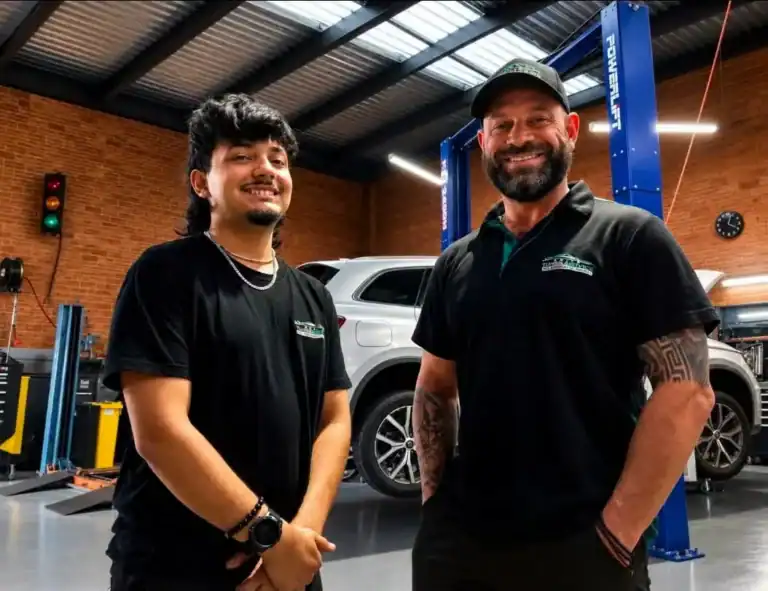
We’re a local, owner-operated workshop with 30 years’ hands-on experience and 18 years serving the Sutherland Shire. We specialise in Japanese vehicles like Subaru, using up-to-date diagnostic tools and genuine or equivalent parts that maintain your vehicle’s warranty and performance. We’ve earned trust by being honest about what your Subaru actually needs and fair about pricing – no upselling, no pressure to replace components that don’t require it.
Subaru owners in Kirrawee know we understand the vehicles, the local driving conditions, and the importance of reliable all-wheel drive capability on Shire roads. When you bring your Subaru to us for tailshaft diagnosis or repair, you’re getting the same technical depth you’d expect from a dealership, with the transparency and continuity of a mechanic who’s been in the community for nearly two decades.
Next Steps: Get Your Subaru Tailshaft Checked
If you’ve noticed vibration, clunking, or power delivery issues, the sooner you have the tailshaft inspected, the better. Small problems caught early often stay small. We offer a free 30-point inspection with every service, and we’re happy to do a tailshaft diagnosis on its own if that’s what you need. Call Us Today or Book Your Free Inspection online, and we’ll get to the bottom of what’s happening with your Subaru in Kirrawee.