Brake work on any vehicle is safety-critical, and Subaru models demand particular attention to their brake systems. As a Subaru brake specialist in Kirrawee, we see firsthand how Subaru’s hydraulic and electronic braking architecture performs under local conditions, and we know exactly what to look for when diagnosing issues. Whether your brake pedal feels soft, you’re hearing noises during braking, or your warning light has come on, a proper inspection is the only way to know what’s actually happening and what needs to be done.
Signs Your Subaru Brake System Needs Attention
Brake problems rarely announce themselves clearly. Most drivers notice something feels different before anything looks wrong. With Subaru vehicles, pay attention to these warning signs:
- Soft or spongy brake pedal that requires more pressure than usual to stop
- Brake pedal that sinks toward the floor when you apply steady pressure
- Grinding, squealing, or metallic noise when braking, especially on cold mornings
- Brake warning light illuminated on the dashboard
- Uneven braking or the vehicle pulling to one side when you brake
- Longer stopping distances than normal
- Vibration or pulsing through the brake pedal or steering wheel during braking
Some of these symptoms develop gradually; others appear suddenly. Subaru models are generally reliable, but brake systems degrade through normal use. If you’ve noticed any of the above, don’t wait for the problem to worsen. A Subaru brake mechanic can diagnose the root cause quickly and tell you exactly what’s needed to restore safe braking.
How We Diagnose Subaru Brake Issues in Kirrawee
Diagnosing brake problems properly requires more than a visual inspection. We use hands-on testing and diagnostic scanning to understand what’s happening in your Subaru’s braking system.
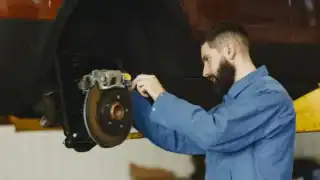
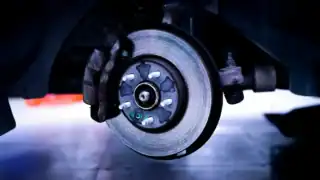
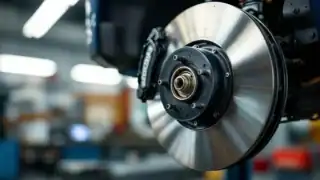
We start by testing brake fluid condition and checking for contamination or moisture, which are common causes of soft pedal feel on Subaru models. We measure brake pad thickness and rotor condition, inspect all brake hoses for splits or damage, and check brake calipers for binding or leaks. For Subaru vehicles equipped with ABS (anti-lock braking), we scan the system for fault codes that might not trigger a visible warning light yet but indicate a developing problem.
On models with electronic brake distribution or integrated ABS, we have the right diagnostic equipment to read and interpret system behaviour. This matters because a Subaru brake shop understands Subaru-specific service schedules and knows whether your vehicle is due for brake fluid renewal based on the manufacturer’s recommendations, not just pad wear.
Once we’ve completed the inspection, we’ll explain what we’ve found, show you photos if needed, and tell you honestly which repairs are essential for safety and which can wait. We don’t upsell or recommend work you don’t need. You’ll know exactly what your vehicle needs and why before we start any work.
What Brake Repairs Typically Involve
Brake repairs on Subaru models can range from pad replacement to more involved work, depending on what’s worn or faulty. Pad replacement is straightforward and usually completed the same day. If rotors are damaged, we machine or replace them. If brake fluid is dirty or old, we perform a fluid flush and refill with OEM-spec fluid. If a caliper is sticky or a hose is damaged, we repair or replace the faulty component.
For Subaru vehicles with ABS problems, we diagnose whether the fault is electrical (a wiring issue, sensor, or module) or hydraulic (a pump or solenoid failure). Electrical faults often resolve with proper diagnostic scanning and repair; hydraulic faults may require component replacement. We use genuine Subaru parts or high-quality equivalents that meet OEM specifications, so your braking system functions exactly as designed and your warranty protection remains intact.
What Affects the Cost and Time for Brake Work
Several factors influence how long brake work takes and what it costs. The condition of your rotors matters; if they can be machined, the repair is faster and cheaper than replacement. The number of wheels needing attention affects time and parts cost. Whether you need a full brake fluid flush adds time but improves long-term system health. Availability of parts is rarely an issue for Subaru vehicles, so most brake repairs are completed within a day or two.
We’re transparent about pricing. We’ll tell you upfront whether you need OEM parts or if a quality aftermarket equivalent will serve equally well. We won’t recommend expensive work unless it’s genuinely necessary for safety or to prevent a more costly failure down the road.
Why Choose Shire Tune & Service for Your Subaru Brake Specialist Needs
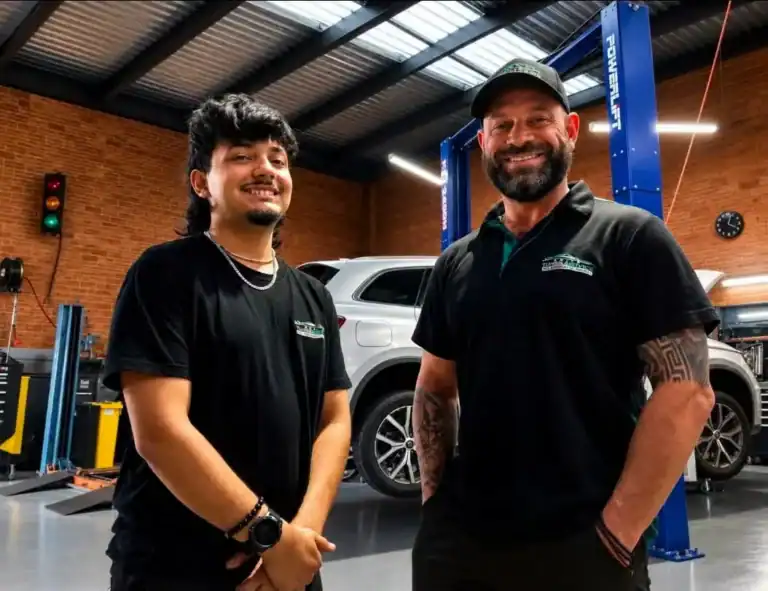
We’ve been servicing Subaru vehicles and other Japanese makes in Kirrawee for over 18 years. Our owner-operator background means you get continuity and honest advice, not pressure to upsell or chase quick turnaround targets. We invest in up-to-date diagnostic equipment specifically because safety-critical systems like brakes demand accuracy. When you bring your Subaru in for brake work, we inspect it properly, explain what we find, and do the work right the first time.
We understand Subaru’s service schedules and use genuine parts that keep your warranty intact. If your vehicle is due for logbook servicing, we can combine brake inspection with your scheduled maintenance, saving you time and ensuring nothing gets overlooked. Our commitment to transparent pricing and fair treatment means you’ll never be surprised by hidden costs or unnecessary repairs.
Book Your Brake Inspection Today
If you’ve noticed any brake symptoms or it’s been a while since your last inspection, Call Us Today or Book Your Free Inspection online. We service Kirrawee and the surrounding areas, and we’ll have you back on the road safely.