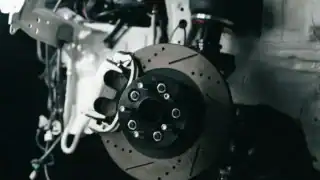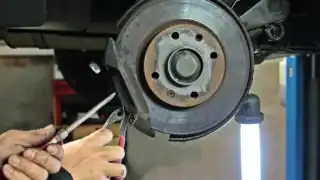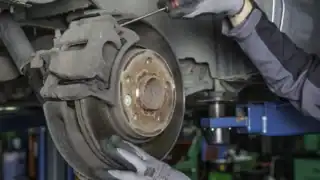
Volkswagen brake systems are engineered for precision and reliability, but when they start to show signs of wear, they demand specialist attention. As a Volkswagen brake specialist in Kirrawee, we understand the specific hydraulic pressures, pad compound tolerances, and rotor specifications that Volkswagen builds into each model. Whether you’re driving a Golf, Passat, Tiguan, or another VW, your braking system plays the most critical role in your safety and the safety of everyone on the road. This is not an area where generic servicing cuts it.
Warning Signs Your Volkswagen Brakes Need Inspection
The first step toward safe braking is recognising when something has changed. Your Volkswagen is designed to communicate with you through feel and sound — but only if you’re paying attention.
- Soft or spongy brake pedal that travels further than usual before resistance builds
- Squealing or high-pitched noise, especially when braking lightly or in wet conditions
- Grinding sound during braking, indicating pad material has worn through to the rotor
- Brake warning light illuminated on your dashboard (often triggered by pad wear sensors Volkswagen equips on most models)
- Pulling to one side when braking, suggesting uneven pad wear or caliper stiction
- Reduced braking power or longer stopping distances than normal
- Vibration or pulsing through the pedal, pointing to rotor runout or contamination
Any of these symptoms warrant a professional inspection. Ignoring brake deterioration does not make it go away – it accelerates wear and increases the cost and complexity of the repair.
How We Service Volkswagen Brakes in Kirrawee
Our approach to Volkswagen brake servicing starts with a thorough diagnostic inspection using up-to-date diagnostic equipment. We do not assume – we measure.
Diagnostic and Inspection Process
We begin by connecting to your Volkswagen’s onboard diagnostics to read any stored brake-related fault codes. This reveals what the car’s own sensors have detected and helps us pinpoint electrical or hydraulic issues that visual inspection alone might miss. We then perform a full brake system walk-through: checking pad thickness on all four wheels, measuring rotor surface condition and runout, inspecting brake fluid condition and colour (contaminated fluid appears dark or milky and loses stopping power), and testing caliper operation and piston movement.
For Volkswagen vehicles equipped with ABS or electronic brake distribution, we verify that these safety systems are responding correctly. A Volkswagen brake mechanic must understand how these systems interact with your stopping power – a fault in one component affects the whole chain.
Parts and Service Standards
Volkswagen brakes perform best when serviced with parts that meet or exceed OEM specifications. We source genuine Volkswagen brake pads, rotors, and brake fluid where your vehicle’s design calls for them, or approved alternatives that deliver the same stopping power and durability. We never compromise on brake safety to shave a few dollars off the bill.
Brake fluid is flushed and replaced according to Volkswagen’s service schedule – typically every two years – to remove moisture and contamination that accumulates over time. Old fluid absorbs water from humidity in the air, which lowers its boiling point and can cause brake fade under hard braking. Your Volkswagen deserves fresh fluid on schedule.
Pad and Rotor Replacement
When pads have worn down and rotors are scored or beyond safe tolerances, we remove and replace them as a complete set. We measure rotor thickness and runout to determine whether resurfacing is viable or replacement is required. We never reuse old hardware or slides – new caliper bolts, anti-rattle shims, and lubrication ensure quiet, smooth braking and prevent the same problems recurring within months.
What Affects Cost and Turnaround Time
Brake service cost depends on several real variables. Pad and rotor condition determine whether you need just pads or pads and rotors. Volkswagen models vary – a Golf’s front brake setup differs from a Tiguan’s, affecting parts cost and labour time. Whether you choose OEM genuine parts or quality aftermarket alternatives shifts your investment. Parts availability sometimes requires a day or two if we need to order stock, though we carry common Volkswagen brake components to minimise delays.
A straightforward brake pad replacement typically takes 1-2 hours. Brake fluid flush and bleeding takes longer. If rotors need replacement or caliper work is uncovered during inspection, the job extends. We always quote before we start work and explain what we’ve found and why it matters. No surprises when you collect your vehicle.
Why Volkswagen Owners Choose Shire Tune & Service for Brake Work
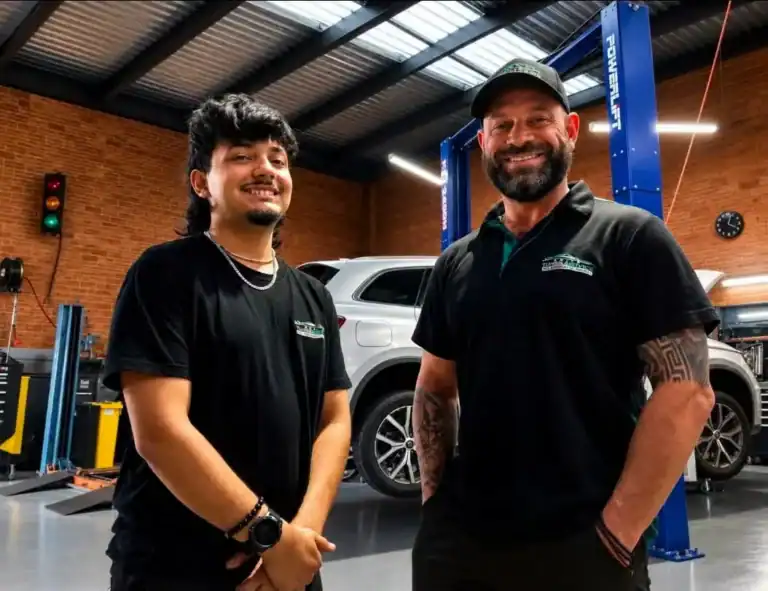
Over 30 years of hands-on automotive experience and 18+ years of local servicing in Kirrawee means we’ve seen what goes wrong with Volkswagen brakes – and how to fix it right the first time. We specialise in European vehicles and hold the diagnostic equipment that reads what your Volkswagen is telling us. That matters on safety-critical work.
We give honest advice. If your pads have another few thousand kilometres left, we’ll tell you. If they need replacing now, we’ll show you why. We do not upsell or pressure. We do not recommend work your car does not need. Fair, transparent pricing means you know the cost before we touch your vehicle. Genuine parts and workmanship mean your brake service protects your Volkswagen’s warranty and keeps you safe on Kirrawee roads.
With every minor service, we perform a free 30-point inspection that includes a brake system check – so problems are caught early. That is how we serve our local community.
Book Your Volkswagen Brake Inspection Today
If you’ve noticed a change in your braking feel, heard a squeal, or your brake warning light is on, do not delay. Call Us Today or Book Your Free Inspection online. We’ll diagnose your Volkswagen’s brake condition and explain exactly what needs doing. Safe brakes are not negotiable.