Brake problems on a Great Wall vehicle demand immediate attention. Whether you’re driving a Haval, Steed ute, or another Great Wall model around Kirrawee and the Sutherland Shire, a Great Wall brake specialist with the right diagnostic equipment is essential to keep you and your passengers safe. Your brakes are one of the few systems where delay isn’t an option, and Great Wall vehicles have their own specific brake design and maintenance requirements that differ from mainstream Japanese or European makes.
Warning Signs Your Great Wall Needs Brake Attention
Some brake problems announce themselves loudly; others creep up gradually. Knowing what to listen and feel for helps you catch issues before they become unsafe or expensive.
- Soft or spongy brake pedal that requires more pressure than usual
- Brake pedal sinks slowly to the floor when held steady
- Grinding or squealing sounds when braking
- Vibration through the pedal or steering wheel under braking
- Brake warning light on the dashboard
- Vehicle pulling to one side when you brake
- Longer stopping distances than normal
- Brake fluid leaks under the vehicle
Even small changes in how your brakes feel warrant an inspection. A soft pedal might signal a slow leak in the hydraulic system. A grinding noise usually means brake pads have worn through to the metal rotor. A pull to one side suggests uneven pad wear or a sticking caliper. We inspect Great Wall brake systems to identify the root cause, not just mask the symptom.
How We Service Great Wall Brakes in Kirrawee
Our approach to Great Wall brake servicing combines diagnostic precision with transparent process. We don’t replace parts on a guess; we measure, inspect, and report exactly what needs attention.
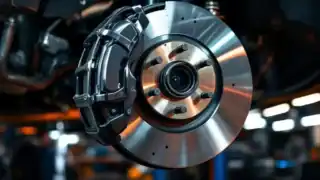
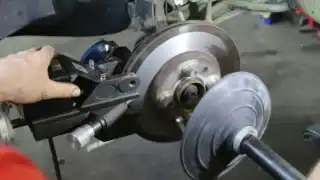
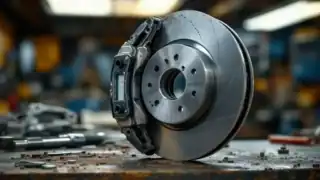
Inspection and measurement: We lift your Great Wall safely and remove the wheels. We measure brake pad thickness with digital callipers to check remaining life against Great Wall specifications. We inspect rotors for excessive wear, warping, or scoring. We examine brake lines, hoses, and fittings for damage, corrosion, or leaks. We test brake fluid condition using a moisture meter to determine if it needs renewal.
Hydraulic system testing: Great Wall brake systems rely on precision hydraulic pressure. We test pressure at each wheel to confirm the master cylinder and wheel cylinders are functioning correctly. If there’s a leak, we locate it precisely rather than replacing multiple components. A small weeping seal in one caliper is different from a worn master cylinder, and the repair cost and urgency reflect that difference.
Parts and replacement: When pads, rotors, or seals need replacement, we use genuine Great Wall parts or quality equivalents that meet OEM specifications. We never install an undersized or inferior pad to cut costs. We machine or replace rotors depending on their condition and your vehicle’s history. We bleed the brake system properly after any hydraulic work to remove air and restore full pedal feel.
Testing and adjustment: After service, we test brakes on the road to confirm responsive, progressive stopping. We check that the warning lights have cleared and that pedal feel is correct. We adjust brake balance if needed to make certain even wear across all wheels going forward.
What Affects Brake Service Cost and Timeframe
Great Wall brake work ranges from a routine pad change to hydraulic system repair, and the cost and time reflect that spread. Transparency is important, so we explain what influences the final bill.
Pad wear and rotor condition: A straightforward pad replacement is faster and less expensive than discovering your rotor is warped and needs machining or replacement. Aggressive driving or towing stress can shorten pad life and accelerate rotor wear. We measure both and advise accordingly.
Hydraulic issues: A simple leak from a brake line seal is a focused repair. A failing master cylinder or wheel cylinder replacement takes longer and costs more because it’s deeper work. We diagnose first, then give you a clear picture of scope and cost before we proceed.
Parts availability: Great Wall parts are generally available in Australia, but some specific components may take a day or two to order. We confirm availability when we diagnose the problem, so you know whether the job can be done the same day or if we need to schedule a follow-up.
Vehicle condition: A five-year-old Great Wall with regular servicing usually presents cleaner brake components than one that’s been neglected. Age and maintenance history affect how long inspection and repair take.
Why Shire Tune & Service for Great Wall Brakes
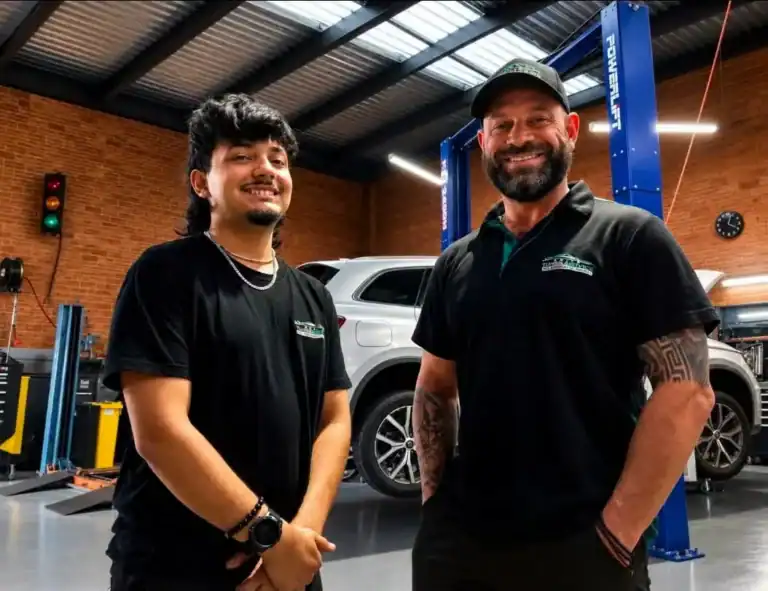
We’ve spent over 30 years learning how to diagnose and repair brakes correctly. Eighteen of those years have been serving Kirrawee, the Sutherland Shire, and the surrounding areas. We’ve invested in diagnostic equipment that lets us test Great Wall brakes precisely, not guess. That matters because brakes aren’t something to fix by trial and error.
We don’t sell parts you don’t need. Our reputation is built on honest advice and fair pricing. If your pads have 30 per cent life left, we’ll tell you that. If a rotor can be safely machined rather than replaced, we’ll recommend machining. If a seal is weeping but not critical yet, we’ll discuss whether to address it now or monitor it. You’ll never walk out wondering if you were upsold or overcharged.
We use genuine parts and quality equivalents that protect your Great Wall’s warranty and your safety. We test brakes thoroughly after service so you drive away confident, not hoping everything’s right. We’re local, owner-operated, and you’ll speak to the same person who’s worked on your vehicle.
Next Steps for Your Great Wall Brakes
If you’ve noticed any brake symptoms, or if your Great Wall is due for a brake inspection, call us today for a frank assessment. We’ll inspect your brakes thoroughly and explain exactly what needs attention. If you’d prefer to book online, book your free inspection and we’ll contact you to confirm the appointment time. Either way, you’ll know where you stand before we start work.