30+ Years Experience
Honest, Clear Pricing
5.0★ Rating
All Makes & Models

5.0 (Verified Reviews)

Highly Rated Brake Fluid Change In Kirrawee

Brake fluid absorbs moisture over time, quietly reducing your stopping power. We handle brake fluid changes in Kirrawee with honest advice and proper spec fluid, so your brakes perform the way they should.

Expert Diagnostics

Honest Advice

5.0★ Rating

Safety-Critical Fluid Service

Book Your Free Inspection

Fill in the form and we'll be in touch to confirm your booking.

Booking Form
  • Vehicle Details
  • Confirm Vehicle
  • Services
  • Contact Details
No Upselling
Fair, Clear Pricing
Local & Experienced

Why Book With Us

Book Your Free Inspection
Drop Off Your Car
We Get to Work
Back on the Road

A brake fluid change is one of those jobs that’s easy to forget but plays a big part in how safely your car stops. Brake fluid absorbs moisture over time, and that water lowers its boiling point, which can lead to a soft or spongy pedal when you brake hard. At our Kirrawee workshop, we replace tired, moisture-heavy fluid with fresh fluid to the right specification so your braking stays firm and predictable. If your pedal feels different lately, this is often the reason.

Why Does Brake Fluid Need Changing?

Brake fluid is hygroscopic, which means it draws in moisture from the air through seals, hoses and the reservoir. As water builds up, the fluid breaks down and its boiling point drops. Under heavy braking, like a long descent or stop-start traffic, that water can turn to vapour and you lose firm pedal feel right when you need it most.

Most manufacturers recommend replacing brake fluid every two years or so, regardless of how many kilometres you’ve done. It’s a time-based job, not a distance-based one, because moisture creeps in whether you drive a lot or a little.

Signs Your Brake Fluid Needs Replacing

You won’t always get an obvious warning, which is why interval-based replacement matters. That said, here are the things to watch for:

  • A soft, spongy or sinking brake pedal
  • The pedal needing to be pushed further than usual before the brakes bite
  • Brakes that feel less sharp after repeated hard stops or hill descents
  • A brake warning light on the dash
  • Fluid in the reservoir that looks dark, cloudy or brown rather than clear and golden

If you notice any of these, it’s worth having the brakes looked at properly rather than topping up and hoping. A spongy pedal can also point to air in the lines or a leak, so a proper inspection rules out the more serious causes.

What Happens During a Brake Fluid Change

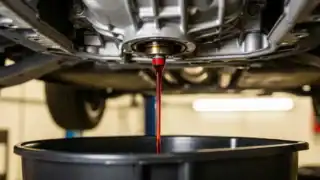
We start by checking your fluid type and the specification your car calls for, then test the existing fluid for moisture content and condition. From there we flush the old fluid through the system and bleed each brake in the correct sequence, drawing fresh fluid right through to every caliper or wheel cylinder.

While we’re under the car, we have a look at the brake lines, hoses and reservoir for any signs of weeping or wear. We refill with fluid matched to your vehicle’s requirement (such as DOT 4 or DOT 5.1 where specified), then check the pedal feel before you drive away. The aim is a firm, consistent pedal and a braking system that’s clear of old, contaminated fluid.

What Affects the Cost and Time?

A few things change the job. The type of fluid your car needs matters, as some European and performance vehicles call for higher-spec fluid. The size and layout of the braking system plays a part too, since some setups take more fluid and more careful bleeding to do properly.

If we find a related issue during the flush, like a leaking hose or worn brake components, we’ll explain what we’ve found and what it means before doing any extra work. No surprises, no upselling. You’ll know what’s needed and why, and the decision stays with you. Most fluid changes are a straightforward job, but we’ll give you a realistic idea of timing when you book in.

Why Drivers in the Sutherland Shire Choose Us

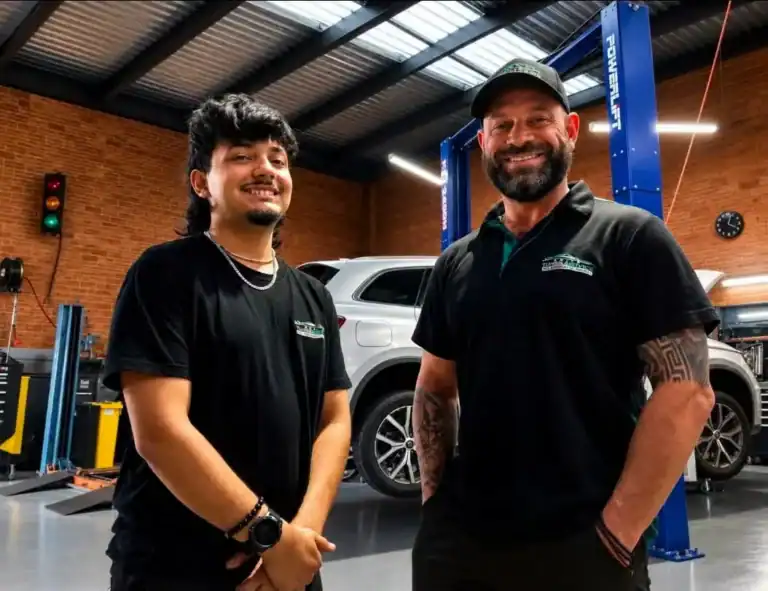
Shire Tune & Service is an independent, owner-operated workshop with over 30 years’ hands-on experience and more than 18 years looking after local drivers. We’re European and Japanese specialists with up-to-date diagnostic tools, and we service all makes and models. Brake work is safety-critical, so we take the time to do it properly and use fluid that meets your manufacturer’s specification.

We believe in honest advice and fair, transparent pricing. If your fluid is fine, we’ll tell you. If it’s overdue, we’ll explain why it matters. We also handle logbook servicing, diagnostics and fault-code scanning, so a brake fluid change can fit neatly alongside your regular service while protecting your manufacturer warranty with genuine parts and proper records.

If your brake pedal feels soft or your fluid is overdue for a change, Call Us Today or Book Your Free Inspection online. We look after drivers right across Kirrawee and the wider Sutherland Shire.
Other Services

Whatever your needs we have you covered, see some similar services below or click "See All Services" to explore our full service offering.

Your Trusted Local Mechanic in Kirrawee

We've been looking after cars in Kirrawee and the Sutherland Shire for over 18 years. Owner-operated, honest to the core, and equipped to handle European and Japanese vehicles properly.

30+ Years of Hands-On Experience

Deep experience across European and Japanese makes means faster, more accurate diagnosis.

Honest Pricing, No Surprises

Bring your vehicle in and we’ll assess it and explain exactly what’s needed.

Right Fluid Spec, Every Time

We match brake fluid to your vehicle’s exact spec, not just whatever’s on the shelf.

How a Brake Fluid Change Works

Booking a brake fluid change with us is simple - four steps from first contact to driving away with confidence.

Step 1

Book Your Free Inspection

Call us today or book your free inspection online and let us know you're due for a brake fluid change.

Step 2

Fluid Condition Assessment

We test your existing brake fluid for moisture content and boiling point to confirm whether a change is needed.

Step 3

Full Brake Fluid Flush

We flush the old fluid completely and refill the system with fresh fluid meeting your vehicle's specified grade.

Step 4

Verified and Ready to Go

We check for leaks, confirm correct pedal feel, and let you know your braking system is back to full health.

What Our Customers Say

5.0 (Verified Reviews)

Quality Parts From Trusted Suppliers

We source parts from reputable suppliers to keep your vehicle running reliably. Quality components, fitted right the first time.

Book Your Free Inspection

Fill in the form and we'll be in touch to confirm your booking.

Booking Form
  • Vehicle Details
  • Confirm Vehicle
  • Services
  • Contact Details
No Upselling
Fair, Clear Pricing
Local & Experienced

Why Book With Us

Book Your Free Inspection
Drop Off Your Car
We Get to Work
Back on the Road

Got Questions? We Have Answers

Browse the answers below to find what you need. If your question isn't listed, give us a call and we'll sort it out.

Most manufacturers recommend changing brake fluid every two years or every 40,000 kilometres, whichever comes first. Brake fluid is hygroscopic, meaning it absorbs moisture from the air over time. As moisture content rises, the fluid’s boiling point drops, which reduces braking performance. Some vehicles with performance or heavy-duty requirements may need more frequent changes. Checking your owner’s manual is a good starting point, but if you’re unsure, we can test your fluid’s moisture level and give you an honest assessment.

Degraded brake fluid with high moisture content can boil under hard braking, creating vapour bubbles in the lines. This causes a spongy or unresponsive brake pedal, sometimes described as the pedal sinking toward the floor. Beyond reduced stopping ability, old fluid can also corrode metal components inside the braking system, leading to more expensive repairs down the track. For a safety-critical system like your brakes, delaying this service longer than recommended is a genuine risk worth taking seriously.

A spongy or soft feeling in the brake pedal is the most common sign. You might also notice the brake warning light appearing on your dashboard, or a slight burning smell after heavy use, particularly on steep descents. Visually, fresh brake fluid is pale yellow and clear. If it looks dark brown or black when you check the reservoir, it’s likely well overdue. These signs don’t always appear until the fluid is quite degraded, which is why regular interval-based changes matter.

A brake fluid change is typically a straightforward service that takes under an hour in most cases. The old fluid needs to be fully flushed from the system and replaced with fresh fluid, which involves bleeding each brake caliper in sequence. If we find any other concerns with your braking system during the process, we’ll let you know before doing any additional work. Most customers drop their car with us and have it back the same day.

We start by checking the condition and level of your existing fluid using a moisture tester, which tells us what percentage of water is present. We then flush the old fluid from the system, working through each wheel’s brake caliper in turn. Fresh brake fluid meeting your vehicle’s specification is pumped through until clean fluid runs clear at each point. We also check the reservoir cap seal and look over the visible brake lines and components while we have access. You’ll get a clear rundown of anything we find.

Under general ACCC guidance, Australian consumers are not required to have their vehicles serviced at a dealership to maintain a manufacturer warranty, provided the servicing is carried out correctly and meets the manufacturer’s specifications. This applies to brake fluid changes as it does to general servicing. We use fluids that meet or exceed the specifications for your vehicle and document all work carried out. For specific advice about your warranty situation, we’d always recommend checking your warranty terms directly, as this is general information rather than legal advice.

Yes, in many cases. Because brake fluid absorbs moisture from the atmosphere over time, age matters as much as distance. A car that sits in a garage and only does occasional short trips can still have degraded fluid after two to three years. Moisture contamination doesn’t require heavy use to build up. If your vehicle hasn’t had a fluid change in a couple of years, it’s worth having the moisture level tested regardless of the odometer reading.

Most passenger vehicles use DOT 3, DOT 4, or DOT 5.1 glycol-based brake fluid, with DOT 4 being the most common specification today. Some European performance vehicles specify higher-grade DOT 4 variants with elevated boiling points. Using the wrong fluid type can damage seals and reduce braking performance, so it’s important to use the specification listed in your owner’s manual or on the reservoir cap. When we carry out a brake fluid change here at Kirrawee, we always match the fluid to your vehicle’s manufacturer specification.

The main factors are the type of fluid your vehicle requires and whether any other work is identified during the service. Higher-specification fluids used in some European and performance vehicles cost more than standard DOT 3 or DOT 4. If we find a caliper bleeder valve that’s seized or a leaking component, that may add to the job. We’ll always tell you what we find before touching anything extra. There are no hidden add-ons, and no work gets done without your say-so.

Absolutely. Every service at our Kirrawee workshop includes a visual inspection of the braking system as standard, so we’ll look at pad thickness, rotor condition, brake lines, and caliper condition while we’re working through the fluid flush. If we spot anything that needs attention, we’ll explain exactly what it is and what your options are, without pressure. You’ll leave knowing the full picture on your brakes, not just the fluid.

Continue to site