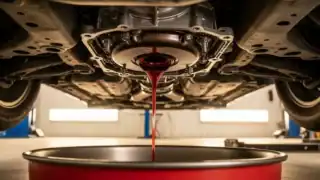
Brake fluid is one of those services that doesn’t grab headlines the way a tyre blowout or warning light does, but it’s critical to every single braking action your Subaru makes. A Subaru brake fluid change involves completely flushing out old, degraded fluid and replacing it with fresh fluid that meets your vehicle’s exact specifications. Over time, brake fluid absorbs moisture from the air and loses its ability to transfer pressure effectively, which directly compromises your braking performance. If you’ve noticed your brake pedal feeling soft, less responsive, or needing more pressure than usual, a fluid change in Kirrawee might be exactly what’s needed to restore that firm, reliable feel you depend on.
Why Subaru Brake Fluid Degrades and When It Needs Replacing
Brake fluid is hygroscopic, meaning it naturally absorbs water over time. This isn’t something you can avoid or delay indefinitely. As moisture builds up inside your brake system, it lowers the fluid’s boiling point. Under hard braking (especially in towing or mountain driving), your brakes generate intense heat. Old fluid with absorbed water can boil, creating air bubbles in the brake lines. Air compresses; fluid does not. When air enters the hydraulic system, your pedal feels spongy and your stopping distance increases. That’s a safety issue that gets worse the longer it’s ignored.
Subaru recommends checking brake fluid condition every 12 months as part of routine maintenance. Most manufacturers, including Subaru, suggest a complete fluid change every 2 to 3 years regardless of mileage, because the degradation happens regardless of how often you drive. Some Subaru models in high-humidity climates may need it sooner. We inspect your brake fluid colour and clarity during every service at our Kirrawee workshop. If it’s dark, murky, or shows signs of contamination, a change becomes urgent rather than preventative.
Warning Signs Your Subaru Needs a Brake Fluid Change
Your brakes will tell you when fluid quality is declining. A soft or spongy brake pedal that requires more pressure than usual is the most common warning sign. Some drivers notice the pedal slowly sinking toward the floor when the brakes are held at a red light, then rising again when pressure is released. This indicates air in the system or fluid that can no longer maintain pressure. Longer stopping distances, a brake pedal that takes multiple pumps to firm up, or a metallic or burnt smell coming from the wheels are all indicators that your brake fluid needs urgent attention. Never ignore these symptoms; they directly affect your stopping ability and your safety on Kirrawee roads.
What Happens During a Subaru Brake Fluid Change
We start by connecting your Subaru to a pressure bleeding system that safely removes all old fluid from the master cylinder, brake lines, and wheel cylinders or calipers. This is not a DIY job. The system must be completely flushed and all air must be expelled. We use only fluid that meets Subaru’s OEM specifications, which is critical because different vehicles call for different fluid types (DOT 3, DOT 4, or synthetic variants), and mixing them or using the wrong specification can damage seals and reduce braking performance.
During the flush, we inspect the condition of your brake hoses, check for leaks, and confirm that all brake components are functioning correctly. Once new fluid is introduced, we bleed each brake circuit methodically to ensure no air pockets remain trapped in the lines. A single air bubble can mean the difference between a firm pedal and a spongy one. We then test the pedal pressure and responsiveness to confirm the system is working as it should. The whole process takes time, but it’s the right way to do it, and it’s the standard Subaru dealerships follow.
Cost and Time Factors for Brake Fluid Service
The main variables that affect pricing are whether your Subaru is a simple two-wheel-brake-circuit design or a more complex system (some modern Subarus have additional brake assist circuits), the availability of OEM-spec fluid, and whether any other brake components need attention during the flush. We use a pressure bleeding system to ensure thorough results, which is more effective than gravity bleeding and worth the investment in your safety.
Labour time is usually 45 minutes to 1.5 hours depending on your model. We always quote before we start, so you know exactly what to expect. We stock genuine Subaru-spec brake fluid and equivalent quality fluids that meet the same standards, so you’re not waiting for parts to arrive. If we find brake hose damage, leaking calipers, or worn pads during the fluid change, we’ll let you know what we see and discuss options, but we won’t surprise you with unexpected charges.
Why Choose Shire Tune & Service for Your Subaru in Kirrawee
We’ve been servicing Subarus and other Japanese vehicles in Kirrawee and the Sutherland Shire for over 18 years, and we have 30+ years of hands-on workshop experience behind us. We invest in proper diagnostic equipment and pressure bleeding systems because safety can’t be rushed or compromised. We don’t upsell, and we don’t cut corners. When you bring your Subaru to us for a brake fluid change, you get honest advice about what your brakes actually need, transparent pricing with no hidden charges, and genuine parts that protect your vehicle’s long-term reliability.
We understand that brake work feels critical because it is, and we treat it that way. Our free 30-point inspection comes with every service, so if we spot anything else that needs attention during your brake fluid change, we’ll show you and explain it clearly before proceeding. Your Subaru’s braking system deserves attention from someone who cares about the detail.
Book Your Free Inspection Today
If your brake pedal has felt soft lately, or if it’s been 2 to 3 years since your last fluid flush, we’d like to help. Call Us Today to arrange a brake inspection, or Book Your Free Inspection online and we’ll fit you in promptly. Your brakes deserve attention from a workshop that knows Subarus inside and out.