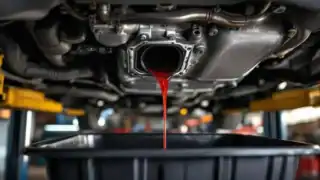
Brake fluid is the hydraulic medium that transfers your foot pressure at the pedal into stopping force at each wheel. In an Audi, that system works under extreme pressure and temperature, especially during spirited driving or heavy braking on longer descents. An Audi brake fluid change is a maintenance task that’s easy to overlook, but one that directly affects whether your brakes perform reliably when you need them. We service Audis regularly in Kirrawee and across the Sutherland Shire, and fluid condition is something we check closely because neglecting it can lead to soft pedal feel, longer stopping distances, or even brake fade.
Why Audi Brake Fluid Deteriorates Over Time
Brake fluid is hygroscopic, meaning it absorbs moisture from the air. This happens slowly through microscopic gaps in seals and connections, and it accelerates if your car sits for extended periods or in humid conditions. Kirrawee’s coastal climate means moisture is always present. Over time, absorbed water lowers the boiling point of the fluid. That matters because when brakes heat up under load, steam bubbles can form in the lines. A bubble in the brake system compresses like air, which reduces pedal pressure and stops your brakes from working efficiently.
Audi’s original specification fluid (typically DOT 4 or DOT 4 Plus, depending on your model year) is designed to remain stable for around two years, or until contamination reaches a critical level. Many Audi owners don’t realise their fluid is aging until they notice symptoms. A regular brake fluid change keeps your system responsive and safe.
Signs Your Audi Needs a Brake Fluid Change
- Soft or spongy brake pedal that sinks slightly when held steady
- Longer braking distances than normal, especially after highway driving or heavy use
- Brake warning light illuminated on the dashboard
- Visible discolouration of fluid in the reservoir (should be clear amber or light brown, not dark or cloudy)
- Difficulty bleeding brakes or loss of pressure after brake work
- Scheduled service interval approaching (check your Audi service manual for your specific model)
Even if you don’t notice any of these, a fluid check at your regular service reveals whether moisture contamination is building up. We inspect it at every service visit and can measure the water content accurately with a moisture meter, which takes the guesswork out of whether a change is genuinely needed.
What We Do During an Audi Brake Fluid Change in Kirrawee
A proper brake fluid change isn’t a quick top-up. We flush the entire brake system to remove old, contaminated fluid and replace it with fresh OEM-specification fluid.
The process begins with a diagnostic inspection. We check the condition of the current fluid using a moisture tester and examine the brake lines, calipers, and ABS module for signs of corrosion or leaks. Audi models often benefit from condition-based servicing, and your brake system condition feeds into that schedule. If we spot corroded calliper pistons or leaking seals during this inspection, we flag them before proceeding, so you understand exactly what your brakes need.
Next, we connect our pressure-bleeding equipment to the brake system. This allows us to push new fluid through every line, cylinder, and calliper while forcing out the old fluid from all four corners of the car. Manual bleeding from the inside out is labour-intensive and risks trapping air bubbles. Our equipment ensures complete displacement and removes dissolved gases that manual bleeding can miss.
Once the system is flushed, we refill with Audi-approved brake fluid and bleed each calliper to remove any trapped air. We then test brake pedal feel and function before returning the car to you. The entire job typically takes 1.5 to 2 hours, depending on model complexity and whether any components require attention.
Genuine Parts and Warranty Protection
We always use genuine Audi or OEM-equivalent brake fluid that meets Audi’s DOT 4 Plus specification. Using non-approved fluid voids your manufacturer warranty on brake components and can damage seals and internal components over time. A cheap fluid might cost less upfront, but it won’t perform under the thermal and pressure demands of Audi’s braking system.
All our brake work is covered by our workmanship guarantee, and using genuine parts protects your vehicle’s warranty. That’s a principle we apply across every service: honest advice about parts quality, no surprises, and pricing that reflects the quality of the work.
Cost and Timing for Brake Fluid Change
The cost of an Audi brake fluid change depends on your model year (newer Audis with more complex ABS or electronic brake systems sometimes require longer bleed times) and whether any corroded components need attention. We always quote upfront after our inspection, so there are no surprises when the invoice arrives.
Turnaround is usually same-day or next-day, unless your car requires additional calliper or seal work. If you’re on a tight schedule, let us know when you call or book, and we’ll do our best to fit you in without the long wait times you’d face at a dealership.
Why Choose Shire Tune & Service for Your Audi Brake Fluid Service
We’ve been servicing European vehicles including Audi for over 30 years, with 18 years of that time focused on the local Kirrawee and Sutherland Shire community. Our technicians use up-to-date diagnostic tools to inspect brake condition accurately, not just guess based on symptom reports. We specialise in Audi and other European makes, which means we understand the specific requirements of your vehicle’s brake system and service schedule.
We don’t upsell unnecessary work. Our approach is to explain what we find, show you the evidence (like moisture test results), and let you decide whether to proceed. If your brakes are still in good condition, we’ll tell you that too. Fair pricing, genuine parts, and honest advice are how we’ve stayed in business locally for nearly two decades.
Call Us Today to discuss your Audi’s brake fluid or to Book Your Free Inspection. We’ll assess your current brake system condition and let you know exactly what’s needed to keep your brakes responsive and safe.