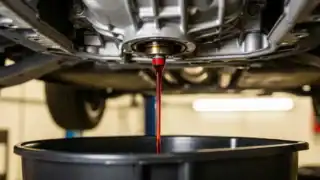
Brake fluid is one of those invisible systems that most drivers don’t think about until something goes wrong. A Mitsubishi Brake Fluid Change involves draining the old hydraulic fluid from your braking system and replacing it with fresh, clean fluid that meets Mitsubishi’s OEM specifications. If you’ve noticed your brake pedal feeling soft, spongy, or requiring more pressure than usual, or if your brake warning light has come on, a fluid change or system inspection is often the first step. We service Mitsubishi vehicles across Kirrawee and the wider Sutherland Shire, and brake fluid degradation is something we catch regularly during routine inspections.
Why Mitsubishi Brake Fluid Degrades Over Time
Brake fluid is hygroscopic, meaning it absorbs moisture from the air over time. In Mitsubishi vehicles, this moisture contamination is one of the most common reasons for brake performance issues. As water accumulates in the system, it lowers the boiling point of the fluid, reduces braking efficiency, and can cause corrosion inside brake lines, cylinders, and valves. Mitsubishi’s service schedule typically recommends a brake fluid change every two years or as part of scheduled logbook servicing, regardless of kilometres driven.
The Australian climate, especially humidity near coastal areas like the Shire, accelerates this process. Even if your Mitsubishi hasn’t been driven hard or far, the fluid itself degrades simply sitting in the system. That’s why a Mitsubishi Brake Fluid Change isn’t optional maintenance; it’s a safety fundamental that protects your stopping ability.
Warning Signs Your Mitsubishi Needs a Brake Fluid Change
- Brake pedal feels soft or spongy even after pumping
- Brake pedal sinks toward the floor when pressure is held
- Brakes feel less responsive or require more pedal effort
- Brake warning light illuminates on the dashboard
- Longer stopping distances than normal
- Brake fluid appears dark or cloudy in the master cylinder reservoir
- Scheduled service interval has passed (typically two years for Mitsubishi vehicles)
Don’t wait for these symptoms to become unsafe. If your logbook servicing schedule calls for a fluid change, we recommend staying on it. Even if the brakes feel fine, old fluid compromises your system’s safety margin.
How We Perform a Mitsubishi Brake Fluid Change in Kirrawee
Our process begins with a full brake system inspection. We examine brake lines for corrosion or damage, check all wheel cylinders and brake calipers for leaks, and test the master cylinder and ABS unit. For Mitsubishi models with ABS or electronic brake distribution, we use diagnostic equipment to verify system function before and after the fluid change.
Next, we flush the entire system. Simply draining and refilling the master cylinder reservoir doesn’t remove old fluid trapped deep in the lines and components. We use a proper brake bleeding procedure that cycles fresh fluid through the system until the old fluid is completely purged. This is especially important on Mitsubishi vehicles with ABS, as air pockets or contaminated fluid can affect electronic brake control.
We fill the system with Mitsubishi-specification brake fluid, which meets the vehicle’s original engineering requirements. Using the correct fluid specification matters; using the wrong type can affect braking response and component lifespan. Once the system is full and bled, we test braking performance and confirm the warning lights have cleared if they were illuminated.
What Affects the Cost and Timeline of Your Mitsubishi Brake Service
The main variables are the condition of your brake system and whether any additional work is discovered. A straightforward fluid change on a well-maintained Mitsubishi might take a couple of hours. However, if our inspection reveals corroded brake lines, leaking cylinders, or contamination deeper in the system, additional repairs may be needed to make sure your brakes are genuinely safe.
Mitsubishi models vary in system complexity. Older models with conventional hydraulic brakes are generally faster to service than newer Mitsubishis with ABS and electronic brake force distribution, which require careful diagnostic attention and sometimes longer bleeding procedures. We always communicate what we find during inspection and discuss any additional work before proceeding.
We source genuine Mitsubishi fluid or OEM-equivalent specification fluid for your brake system. Availability can occasionally add a day or two if the specific fluid isn’t in stock, but we prioritise getting the right fluid into your vehicle rather than rushing with a substitute.
Why Shire Tune & Service Handles Mitsubishi Brake Fluid Changes Properly
We’ve been servicing Japanese vehicles, including Mitsubishi, across Kirrawee and the Sutherland Shire for over 18 years. Our technicians understand Mitsubishi’s brake system engineering, common wear patterns across different Mitsubishi models, and the specific fluid specifications each generation requires. We invest in diagnostic equipment that allows us to test ABS function and electronic brake control, not just assume the system is working.
Brake safety is non-negotiable. We don’t upsell unnecessary work, but we won’t skip a proper inspection or recommend cutting corners on fluid quality. Your Mitsubishi’s stopping ability directly affects your family’s safety, and that’s how we approach every brake fluid change. Our honest advice means you understand exactly why work is recommended, and our fair, transparent pricing means no surprises on the invoice.
Book Your Free Inspection to have your Mitsubishi’s brake system checked, or Call Us Today if you’d like to discuss your vehicle’s brake maintenance schedule. We’re here to help you stay safe on the roads around Kirrawee and beyond.