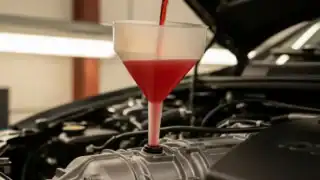
Brake fluid is one of the most critical yet overlooked fluids in your Toyota. Unlike oil or coolant, brake fluid doesn’t just lubricate—it’s your hydraulic link between the pedal and every brake component on the car. When you press the brake pedal, brake fluid transfers that force to the callipers, wheel cylinders, and brake proportioning valve. Over time, brake fluid absorbs moisture from the air, which lowers its boiling point and can lead to brake fade, soft pedal feel, or in serious cases, complete brake failure. At Shire Tune & Service in Kirrawee, a Toyota brake fluid change removes old, contaminated fluid and replaces it with fresh OEM-specification fluid to keep your braking system reliable and responsive.
How to Tell Your Toyota Needs Fresh Brake Fluid
Brake fluid degradation doesn’t always announce itself loudly, but there are clear warning signs to watch for. The most common indicator is a soft or spongy brake pedal—one that feels less firm than usual or requires more travel before braking engages. You might also notice that the brake pedal sinks lower when you’re stopped at traffic lights, or that braking feels inconsistent between stops. Some drivers experience a slight loss of braking confidence without any obvious mechanical fault; this often points to moisture-contaminated fluid that’s lost its hydraulic effectiveness.
Another indicator is the age of the fluid itself. Toyota’s service schedule recommends a brake fluid change every two years or at specific service intervals, regardless of the distance travelled. Because brake fluid absorbs moisture passively—even through the sealed brake system—age is as important as usage. If your Toyota’s logbook shows the last brake fluid service was more than two years ago, or if you’ve bought a used Toyota and don’t know the fluid history, a change is sensible maintenance.
Visual inspection can also help. If you pop the bonnet and look at the brake fluid reservoir, the fluid should be clear or nearly clear. Dark, murky, or brownish fluid is a sign of oxidation and water absorption—both reasons to schedule a change promptly.
What Happens During a Toyota Brake Fluid Change
We start by connecting your Toyota to our diagnostic equipment to check the ABS system and brake sensor status. This ensures no fault codes are masking a deeper issue and that the brake system is functioning as it should before we begin the fluid exchange.
Next, we perform a complete fluid flush using a pressure bleeder or manual bleeding method, depending on your Toyota model. Older Corollas and Camrys typically use manual bleeding (where we open each wheel brake calliper or cylinder in sequence, allowing old fluid to flow out and new fluid to flow in). Newer models with ABS or brake stability systems may require a pressure bleeder to ensure air is fully expelled from the system and ABS modulators are cleared. We work through each brake circuit methodically to remove trapped air and old fluid completely.
Throughout the process, we inspect the brake line condition, check calliper and wheel cylinder function, and examine pad and rotor condition. If we spot corrosion, leaks, or worn components, we’ll let you know upfront—no surprises, no pressure to repair things that don’t need it yet.
We use only genuine Toyota brake fluid or an equivalent that meets Toyota’s strict specifications. This matters because brake fluid formulation varies by vehicle; using the wrong grade can affect braking response and safety. We’ll top up your brake fluid reservoir with the correct specification and test the pedal feel before you collect the car.
Cost and Time Factors for Brake Fluid Service
The cost of a brake fluid change depends on a few variables. The main one is your Toyota model and its brake system complexity. A simple manual-brake Corolla takes less time than a modern Highlander or RAV4 with ABS and electronic brake distribution, which require more thorough flushing and system checks. Parts availability is rarely an issue for Toyota fluid—it’s a standard service item—but if we discover additional work (corroded lines, leaking callipers, worn pads), that will extend the scope and cost.
Turnaround time is typically same-day for a straightforward fluid change, though during busy periods you may need to book in advance. If your Toyota needs additional brake work, we’ll give you a clear estimate before proceeding.
Whether you choose genuine Toyota fluid or an approved equivalent affects the final price slightly, but we always discuss this with you beforehand. We don’t upsell unnecessary services—if your brakes don’t need pads or a calliper rebuild, we’ll say so.
Why Trust Shire Tune & Service for Your Toyota Brake Fluid Change
We’ve been servicing Toyotas in Kirrawee and across the Sutherland Shire for over 18 years. Our team has hands-on experience with every Toyota generation on Australian roads—from older Corollas and Camrys to modern RAV4s, Highlanders, and Prius models. We invest in up-to-date diagnostic equipment specifically because Toyota’s brake systems (especially those with ABS and VSC stability control) need accurate scanning to rule out electrical faults alongside fluid condition.
We source genuine parts and fluids that meet Toyota’s OEM specifications, which means your warranty stays protected and your brake system performs exactly as the manufacturer intended. We’re not a franchise or dealership; we’re a local owner-operator, which means you get consistent, honest advice without corporate upsell pressure. Every Toyota brake fluid change includes a 30-point inspection, so we catch other issues early—worn pads, brake line corrosion, or sensor problems—and let you decide what to do about them.
Book Your Toyota Brake Fluid Change Today
If your Toyota is overdue for a brake fluid service, or if you’ve noticed a soft pedal or inconsistent braking, Call Us Today or Book Your Free Inspection online. We’ll check your brake system thoroughly and let you know exactly what’s needed to keep your Toyota safe and reliable on Kirrawee roads.