Your Land Rover’s braking system relies on brake fluid to transfer the force from your pedal to the wheels. A Land Rover brake fluid change is a critical maintenance task that keeps your brakes responsive and safe. Unlike engine oil, brake fluid absorbs moisture from the air over time, which reduces its boiling point and compromises your stopping power. In Kirrawee and across the Sutherland Shire, we’ve seen Land Rovers lose braking confidence purely because the fluid has deteriorated, so refreshing it every two years is the industry standard and Land Rover’s own recommendation for most models.
Why Your Land Rover’s Brake Fluid Degrades
Brake fluid is hygroscopic, meaning it naturally absorbs moisture from humidity and condensation in the brake system. Over time, this water content lowers the fluid’s boiling point. When you brake hard, friction generates heat. If the fluid boils, it creates vapour bubbles in the lines, and you lose hydraulic pressure instantly, which translates to a soft or unresponsive brake pedal when you need it most. This risk is especially real in older Land Rovers or vehicles that see regular towing or mountain driving where sustained braking is common.
Beyond moisture, brake fluid also degrades chemically as it circulates through the system, picking up contaminants and losing its protective properties. This deterioration can corrode internal brake components, shorten the life of seals, and leave your calipers or wheel cylinders vulnerable to failure.
Common Signs Your Brake Fluid Needs Changing
- Brake pedal feels soft, spongy, or lower than normal
- Brake warning light appears on the dashboard
- Brakes feel less responsive under heavy use or towing
- Visible fluid discolouration or a burnt smell from the brakes
- Brake fluid level dropping gradually without a visible leak
If you notice any of these, the fluid has likely absorbed too much moisture or begun to break down. A brake fluid analysis or simple colour check during your next service can confirm whether a change is due.
Our Land Rover Brake Fluid Change Process
We start by connecting your Land Rover to our diagnostic equipment to check brake system pressures and identify any issues before the fluid change begins. This step is Land Rover-specific: modern Rovers, particularly Discovery and Range Rover models, have ABS and stability control systems that need to be bled in a particular sequence to avoid air locks and maintain system integrity.
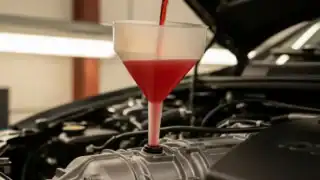
We then drain the old fluid completely from the master cylinder, calipers, and wheel cylinders using a pressure bleeder. This approach removes all contaminated fluid and water accumulation. We flush the entire system with fresh fluid, which pushes out trapped air and debris. Finally, we refill with genuine or equivalent DOT 4 fluid that meets Land Rover’s specifications, test brake pressure under load, and confirm your pedal feels firm and responsive.
For Land Rover vehicles with factory-fitted ABS or electronic brake distribution, this process requires care and the right equipment. Our diagnostic tools allow us to run system tests and bleed procedures that would-be DIY mechanics cannot perform without specialist hardware. This protects your safety and your warranty.
What Affects Timing and Cost for Your Brake Fluid Change
Most Land Rovers can have a complete brake fluid change within one to two hours, though the exact time depends on whether we find any secondary issues during the inspection, such as corroded caliper pistons or damaged seals that need attention. Older or higher-mileage Rovers sometimes reveal problems once we start dismantling, which we’ll flag before proceeding.
Fluid cost is modest, but the quality and type matter. Genuine Land Rover-spec brake fluid carries a small premium over budget alternatives, but it’s formulated to withstand the demands of your vehicle’s braking system and protect internal components. We use genuine or equivalent parts that meet OEM standards, so you’re not compromising on safety for a savings of a few dollars.
If the inspection uncovers caliper leaks, deteriorated hoses, or failing wheel cylinders, those repairs extend the timeline and cost, but we’ll explain what we find and what’s essential before starting work. You won’t be surprised.
Why Shire Tune & Service Handles Your Land Rover’s Brakes
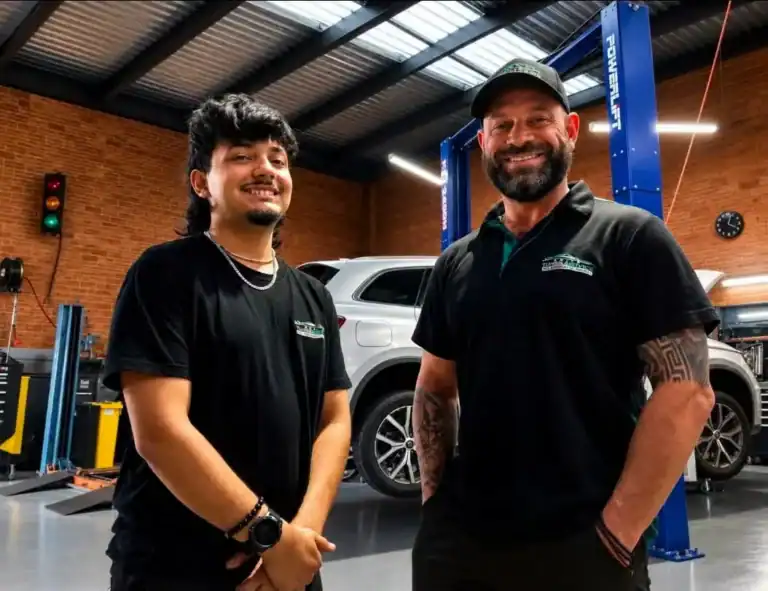
We’ve been servicing Land Rovers and other European vehicles in Kirrawee for over 18 years, and we understand the specific demands of their hydraulic systems. Our diagnostic equipment lets us test brake pressures and ABS function properly, not just assume everything is fine because the pedal feels okay. With 30+ years of hands-on experience across all makes, we know what failures look like on Land Rover models and we catch problems early.
We use genuine parts and transparent pricing, so there’s no guessing about what you’re paying for or what fluid is going into your brakes. And because we’re a local owner-operator workshop in Kirrawee, not a franchise or chain, we’ve built our reputation on honest advice and fair dealing with families and business owners across the Shire. Your brakes are too important to leave to volume operators or dealership upsell tactics.
Book Your Land Rover Brake Fluid Change Today
If your Land Rover is due for a brake fluid refresh or you’ve noticed any softness in the pedal, Call Us Today to discuss your vehicle’s needs or Book Your Free Inspection online. We’ll check your brake system thoroughly and let you know exactly what’s required before you commit to anything.