Brake fluid is one of those fluids that doesn’t get much attention until something goes wrong, but it’s critical to keeping your Great Wall safe on the road. A Great Wall brake fluid change is a maintenance task that often gets overlooked, yet it directly affects how well your brakes respond when you need them most. Over time, brake fluid absorbs moisture from the air, which lowers its boiling point and can cause your brakes to feel spongy or unpredictable. If you’ve noticed your brake pedal feels soft, sinks to the floor, or requires more pressure than usual to stop, a fluid inspection and change might be exactly what your Great Wall needs.
Why Brake Fluid Degrades and When It Needs Replacing
Brake fluid is hygroscopic, which means it actively absorbs water from the air around it. Even in sealed brake systems, microscopic moisture finds its way in through hoses, seals, and the brake master cylinder. As water accumulates in the fluid, its boiling point drops significantly. This matters because when you brake hard or descend a steep hill, friction generates heat in the brake rotors and calipers. If your fluid has absorbed too much moisture, it can actually boil inside the lines, creating vapour pockets that make your pedal feel soft or unresponsive. Great Wall vehicles operating in and around Kirrawee often face demanding driving conditions, from coastal hills to stop-start traffic, all of which put genuine stress on brake systems.
Most manufacturers recommend a brake fluid change every two years or 40,000 kilometres, whichever comes first. However, if you’re driving in humid coastal areas like those in the Sutherland Shire or notice any changes in pedal feel, you shouldn’t wait for the scheduled interval. Some drivers also notice their brake warning light coming on, which can indicate low fluid level or contamination that needs immediate attention.
Signs Your Great Wall Needs a Brake Fluid Change
- Soft or spongy brake pedal that requires extra pressure to stop
- Brake pedal sinking gradually to the floor when stationary
- Brake warning light illuminated on the dashboard
- Brakes feeling less responsive than usual, especially during hard braking
- Visible contamination or dark discolouration in the fluid reservoir
- Longer stopping distances or reduced braking confidence
If you’ve noticed any of these warning signs, it’s worth having your brake system inspected professionally. Brake issues are safety-critical, and delays can put you and your passengers at risk.
How We Perform a Brake Fluid Change on Great Wall Vehicles
Our brake fluid change service starts with a full system inspection. We check the condition of your existing fluid using a moisture test, inspect brake lines and hoses for leaks or damage, and test brake pedal response and stopping distance to establish a baseline. For Great Wall models, we use diagnostic tools to check for any fault codes stored in the ABS system or brake control modules, which can reveal issues that affect how effectively the fluid is working.
Once we’ve confirmed the fluid needs replacement, we use a fluid evacuation system to remove the old, contaminated fluid from the entire brake circuit. This includes the master cylinder, all four brake lines, the ABS module (where fitted), and the calipers or wheel cylinders. We don’t simply drain from the lowest point, as that method leaves pockets of old fluid behind.
We then refill the system with the correct Great Wall specification fluid. It’s important to use the right type, as modern brake fluids are classified by DOT rating, and using an incompatible fluid can affect brake performance and damage seals. We bleed the system thoroughly to remove all air bubbles, which would otherwise cause that spongy pedal feel. After refilling, we test the pedal feel, check all warning lights have cleared, and inspect for any leaks around fittings and hose connections.
What Affects the Cost and Time for Your Brake Fluid Service
The primary variables are whether your Great Wall has ABS and which generation model you own. Vehicles with ABS require longer bleeding times because air must be purged from the ABS module as well as the standard brake lines, and some models need specific diagnostic procedures to verify the system is functioning correctly after the fluid change. Older Great Wall models typically take less time than newer ones with integrated electronic braking systems.
Fluid cost varies depending on the specification required by your vehicle, but this is usually a modest component. More significant is labour time, which can range depending on system complexity and whether any brake lines or hoses need attention during inspection. We’ll give you a transparent estimate before we start work and let you know if anything unexpected comes up during the inspection.
Why Shire Tune & Service Is Your Great Wall Brake Specialist in Kirrawee
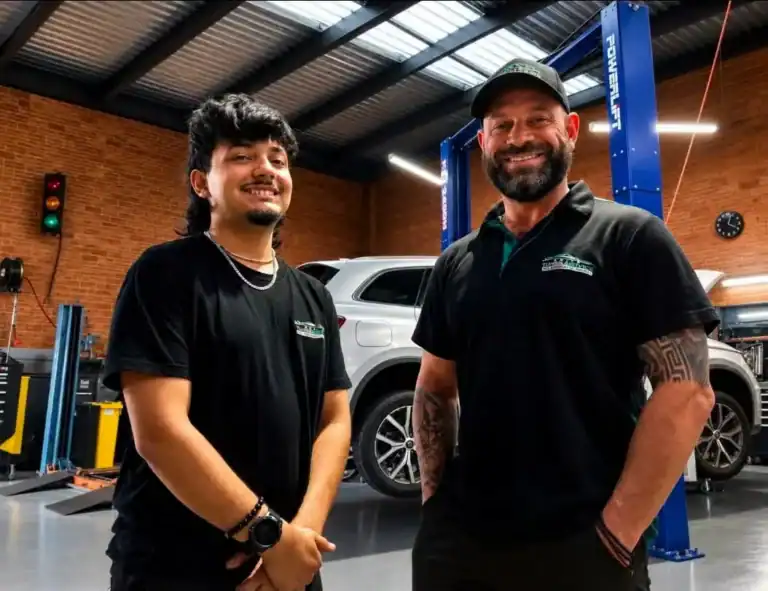
We’ve been servicing Great Wall vehicles and all makes for over 30 years, with 18 years focused on the local Kirrawee and Sutherland Shire community. Our owner-operator approach means you’re dealing with someone who genuinely cares about your vehicle’s safety and long-term reliability, not a franchised operation pressuring you to upsell unnecessary services. We invest in up-to-date diagnostic equipment specifically so we can properly test brake systems, read fault codes, and verify that your brake fluid change has been done correctly.
Every Great Wall brake fluid change comes with our honest, transparent pricing. We’ll explain exactly what we’ve found, what needs to be done, and why. We use genuine or OEM-equivalent parts that meet Great Wall specifications, protecting your vehicle’s warranty and ensuring your brakes respond as the manufacturer intended. And because we’re local to Kirrawee, if you have a question or concern after your service, you can simply come back in and chat with us directly.
Book Your Brake Fluid Inspection in Kirrawee Today
If you’ve noticed any change in how your brakes feel, or if your Great Wall is due for a fluid change, don’t delay. Brake fluid contamination is a safety issue that only gets worse the longer it’s ignored. Call Us Today or Book Your Free Inspection online, and we’ll get your brakes working with full confidence again.