Brake fluid is one of those components that doesn’t get much attention until something goes wrong, yet it’s absolutely critical to your Jeep’s ability to stop safely. A Jeep brake fluid change isn’t just about topping up a reservoir—it’s about replacing a hydraulic fluid that degrades over time through moisture absorption and heat cycling. In Kirrawee and across the Sutherland Shire, we see Jeep owners who’ve delayed this service only to experience softer brake pedals or longer stopping distances, both signs that their fluid has deteriorated. Understanding when and why this service matters can save you from unsafe braking conditions and costly repairs down the line.
Why Brake Fluid Breaks Down and What That Means for Your Jeep
Brake fluid is hygroscopic, meaning it naturally absorbs moisture from the air over time. Even in a sealed system, tiny amounts of water find their way in through microscopic gaps in seals and connections. Once moisture is present, it lowers the fluid’s boiling point. When you brake hard—especially in heavy traffic or towing situations common to Jeep owners—your brake components generate intense heat. Contaminated fluid can boil, creating air pockets in the brake lines. When air enters the hydraulic system, your brake pedal becomes spongy and loses stopping power. On a Jeep, where reliability is essential whether you’re commuting or heading off-road, this degradation is a safety issue that demands attention.
Jeep’s factory service schedules typically recommend a complete brake fluid change every two years or 40,000 kilometres, whichever comes first. This interval is based on real-world moisture accumulation rates. If you’ve never had your brake fluid changed or can’t remember the last service, your Jeep is almost certainly overdue.
Warning Signs Your Jeep’s Brake Fluid Needs Changing
- Soft or spongy brake pedal that goes down further than usual before resistance kicks in
- Brake pedal feels lower or less responsive than it used to
- Longer stopping distances, especially when braking firmly
- Brake warning light on the dashboard, often paired with ABS warnings on newer Jeep models
- Visible darkening or discolouration of the fluid in the master cylinder reservoir
- Moisture or cloudiness visible in the brake fluid itself
Even without obvious symptoms, age alone is reason enough. If your Jeep hasn’t had a brake fluid change in two years, scheduling one is preventative maintenance that protects your family and keeps your vehicle roadworthy.
What Our Brake Fluid Change Service Includes
A complete Jeep brake fluid change goes beyond simply draining and refilling. We inspect your entire brake system first—checking brake pads, rotors, hoses, and callipers for wear or damage. Jeep models often show uneven pad wear if the fluid has been contaminated for a while, so this inspection catches potential problems early.
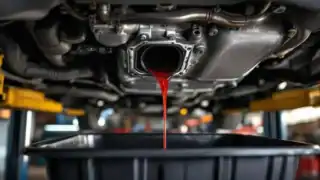
We then perform a full system flush using a pressure-bleeder tool. This removes old, contaminated fluid from the master cylinder, brake lines, and all four wheels. Flushing is essential because simply draining the reservoir leaves old fluid in the lines, defeating the purpose of the service. We fill the system with fresh, DOT 3 or DOT 4 fluid depending on your Jeep’s specification—we use the fluid grade and specification that matches Jeep’s factory requirement for your model year.
Throughout the process, we bleed air from the system at each wheel, starting from the wheel furthest from the master cylinder and working towards the engine. For Jeep models with ABS systems, we follow Jeep’s specific bleeding procedures to ensure the ABS modulator is also purged of old fluid. Once complete, your brake pedal will feel firm and responsive again, and your stopping power will be fully restored.
Cost and Time—What to Expect
The cost of a brake fluid change depends on your Jeep’s model and whether your system has ABS. Older, simpler systems take less time than modern Jeeps with electronic brake proportioning or stability control integration. Fluid availability can also vary; while standard DOT fluids are readily stocked, some newer Jeep models may require specific formulations we’ll source to ensure you get the right product.
Turnaround time typically sits between one and two hours for most Jeep models. We won’t rush the bleeding process—proper air removal is critical to brake safety, and that takes time. If we discover worn brake pads or damaged hoses during our initial inspection, we’ll discuss those findings and options with you before proceeding with any additional work.
Why Shire Tune & Service Handles Your Jeep’s Brake Service With Care
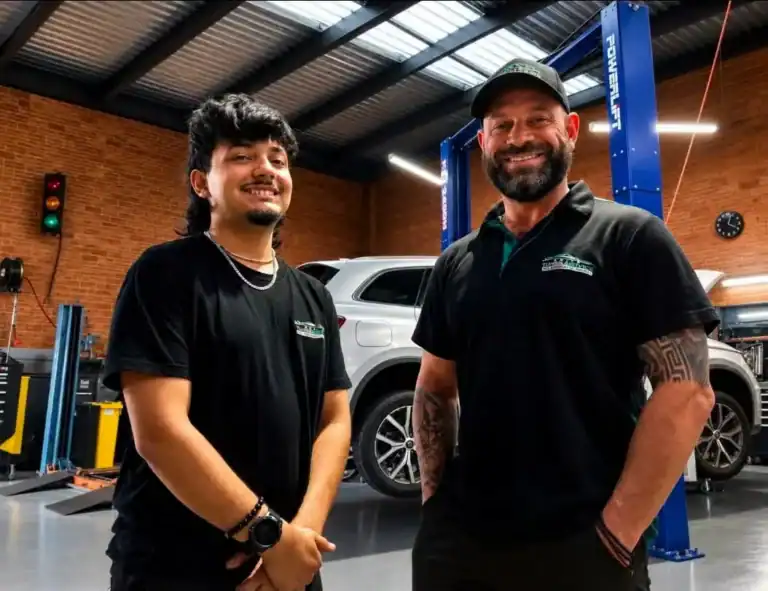
We’ve been servicing Jeeps and other vehicles right here in Kirrawee for over 18 years, backed by more than 30 years of hands-on mechanical experience. We have the diagnostic equipment to read your Jeep’s brake system codes if a warning light is present, so we know exactly what’s happening before we start. We use genuine Jeep-specification fluid and never substitute lower-grade alternatives to save a few dollars. Our approach is straightforward: inspect thoroughly, explain what we find, and do the work right the first time.
Brake fluid changes aren’t something we oversell. If your brakes are fine and your fluid isn’t due yet, we’ll tell you that. But when the service is needed, we do it properly, and you’ll feel the difference immediately when you get behind the wheel. Our honest advice and fair, transparent pricing mean you’ll never face surprises when you collect your Jeep.
Book Your Jeep’s Brake Fluid Change in Kirrawee
If your Jeep’s brake pedal feels different, or if it’s been two years since your last fluid change, don’t wait. Soft brakes are a safety issue that affects you, your passengers, and everyone else on the road. Call Us Today or Book Your Free Inspection to have your brakes assessed and your fluid condition checked. We’ll get you sorted with honest advice and fair pricing, no surprises.