Your Renault’s braking system relies on brake fluid to transmit the force from your foot on the pedal to the calipers that grip your rotors. A Renault brake fluid change is a scheduled maintenance task that’s easy to overlook until warning signs appear. We service Renault vehicles in Kirrawee and across the Sutherland Shire, and brake fluid health is one of the most important things we monitor at every service. Unlike oil, brake fluid doesn’t wear out in the traditional sense, but it absorbs moisture from the air over time. That moisture lowers the boiling point of the fluid, which can lead to brake fade, soft pedal feel, or worst-case, brake failure under hard braking or towing. Your Renault’s service schedule specifies when a fluid change is needed, and following that interval protects both your safety and your warranty.
How Moisture Damages Your Renault’s Brake System
Renault brake fluid is hygroscopic, which means it naturally absorbs water vapour from the air. This happens even if you never top up the fluid yourself. Over a year or two, moisture content builds up inside the lines and reservoirs. Once it reaches a certain level, the boiling point of your brake fluid drops significantly. Under hard braking, especially in mountain terrain or when towing, the fluid gets hot, and if its boiling point has fallen too far, the fluid can vaporise. When that happens, you get air pockets in the lines, and your pedal will feel spongy or soft. In extreme cases, braking performance can deteriorate dangerously. A Renault brake fluid change flushes out all the old, moisture-laden fluid and replaces it with fresh fluid that meets Renault’s OEM specification. This is why it’s not optional and why we recommend following your vehicle’s logbook interval closely.
Warning Signs Your Renault Brake Fluid Needs Replacement
- Soft, spongy brake pedal that doesn’t firm up after a few pumps
- Brake pedal sinking slowly towards the floor when you hold it steady at a red light
- Reduced braking responsiveness, especially when towing or under heavy load
- Brake warning light illuminated on your dashboard
- Discoloured or dark fluid visible in the reservoir (fresh brake fluid is clear or pale amber)
- Your logbook shows it’s due for a scheduled change according to Renault’s service intervals
Don’t wait for these symptoms to appear. Scheduled fluid changes prevent them from happening in the first place. If you’re unsure whether your Renault is overdue, we can check your logbook and service history when you call or book in with us in Kirrawee.
What Happens During a Renault Brake Fluid Change
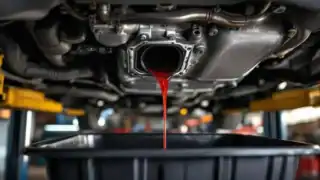
A proper brake fluid change is more thorough than simply topping up the reservoir. We use a pressure bleed system to flush the entire brake circuit, from the master cylinder through all four brake lines and calipers, ensuring no old fluid remains trapped in the system. Here’s what we do: first, we inspect the condition of your brake lines, hoses, and fittings for signs of corrosion or leakage. Moisture that gets into the system can cause internal corrosion, and we look for that as part of the diagnostic. Next, we connect our pressure bleed equipment to your brake fluid reservoir. This machine applies controlled pressure to push fresh, new Renault-specification fluid through the entire circuit, displacing all the old fluid. As we do this, we bleed each brake caliper systematically to remove any air bubbles and ensure the new fluid reaches every corner of the system. Finally, we test your brake pedal feel and inspect the fluid we’ve collected to confirm it’s clean and free of contamination. For Renault vehicles, we use fluid that matches the OEM specification precisely, which is critical for warranty protection and system longevity.
Time and Cost Factors for Renault Brake Fluid Service
A brake fluid change on a Renault typically takes between 1 to 2 hours, depending on whether your vehicle has any complications like corroded fittings or if additional repairs are needed. The fluid itself is relatively affordable compared to other brake components, but the labour cost reflects the thoroughness required to do it properly. Using a pressure bleed system takes more time and equipment than shortcuts like gravity bleeding, but it’s the right way to do the job and ensures no air remains in the lines. We always use genuine or equivalent OEM-specification fluid for Renault vehicles to protect your warranty. If our inspection finds corroded brake lines or leaking hoses, those will need attention too, and we’ll discuss options and costs with you before proceeding. Parts availability is rarely an issue for brake fluid, but if your vehicle needs additional components like new hoses or fittings, we’ll source those quickly.
Why Shire Tune & Service Handles Your Renault Brake Fluid Change
We’re European and Japanese specialists with over 30 years of hands-on experience and 18 years servicing the Sutherland Shire, including Kirrawee. Our workshop has the latest diagnostic tools and pressure bleeding equipment specifically designed for modern brake systems. We understand Renault’s OEM service requirements and use parts that keep your warranty intact. We don’t oversell or cut corners. If your brake fluid is fine and your logbook isn’t due for a change, we’ll tell you that. If it needs changing, we’ll explain why and do it properly. Our approach is honest advice, fair pricing, and work that lasts. Every minor service includes a free 30-point inspection, so when you come in for your Renault brake fluid change, we’ll check the rest of your vehicle’s health at no extra cost.
Book Your Free Inspection with us to discuss your Renault’s brake fluid service needs. Call Us Today or book online, and let’s make sure your braking system is working as Renault designed it to.