Brake fluid is one of those unseen systems that European car owners often forget about until something goes wrong. Yet a European vehicles brake fluid change is one of the most important preventative services you can perform. Unlike brake pads, which wear visibly over time, brake fluid degrades invisibly, absorbing moisture from the air and losing its ability to transfer stopping power effectively to your wheels. At Shire Tune & Service in Kirrawee, we see this issue regularly across BMW, Mercedes, Audi, and Volkswagen models, where high-performance braking systems demand fluid that’s in peak condition.
Why Brake Fluid Breaks Down and When You Need It Changed
Brake fluid is hygroscopic, meaning it naturally attracts water. Over time, moisture accumulates inside the brake lines, reducing the fluid’s boiling point and creating air pockets that compromise braking response. On European vehicles especially, where braking systems are finely calibrated and often integrated with ABS and stability control, even small changes in fluid condition can affect performance.
Most European car manufacturers recommend a brake fluid change every two years or 40,000 kilometres, regardless of how the vehicle is driven. Some models with condition-based servicing intervals still flag fluid condition as a critical check point. Warning signs that your brake fluid needs attention include:
- A soft or spongy brake pedal that feels less responsive than usual
- Brake warning lights on the dashboard
- Longer stopping distances or less confident braking feel
- Visible fluid leaks around brake lines or the master cylinder
- Dark or discoloured fluid when inspected at the reservoir
If you’ve noticed your brakes feeling less sharp, or if your last brake fluid change was more than two years ago, it’s time to book in for a European vehicles brake fluid change.
What Happens During a European Vehicles Brake Fluid Change in Kirrawee
A proper brake fluid change is not a quick top-up. It’s a full system flush that removes old fluid and replaces it with new, moisture-free fluid that meets your vehicle’s exact specification. Our approach is thorough because European braking systems are precise, and shortcuts lead to soft pedals or warning lights that don’t disappear.
Here’s what we do:
We start by connecting your European vehicle to our diagnostic scanner. This allows us to check for any existing fault codes in your ABS module, brake pressure sensor, or related systems before we begin. A vehicle with unresolved brake codes needs diagnosis before a fluid change will solve anything.
Next, we inspect the entire brake system visually: lines for corrosion or leaks, the master cylinder for seepage, and brake fluid colour and condition at the reservoir. We’re looking for any reason why the system might not be holding fluid or why warning lights are present.
We then use a dedicated brake fluid bleeding kit to flush the system from the master cylinder through each brake caliper or wheel cylinder, removing old fluid completely and replacing it with fresh, OEM-specification fluid. For BMW models, for example, this means DOT 4 fluid meeting DIN 74 19-1 standards. For Mercedes, it’s typically DIN 75200-2 compliant fluid. For Volkswagen and Audi vehicles, we match the specific fluid grade to your model’s engineering requirements. Using the correct specification is not optional; it’s critical for safety and warranty protection.
We bleed every wheel and monitor fluid colour until it runs clear. We verify brake pedal feel and confirm that warning lights have cleared. A quick road test ensures responsive braking at normal speeds.
Cost and Time Factors for a Brake Fluid Change
Cost varies depending on a few factors. The main one is whether your system requires a simple flush or if we uncover issues during inspection. A straightforward European vehicles brake fluid change on a standard European sedan takes a few hours. However, if diagnostic scanning reveals ABS fault codes or if we discover line corrosion, the job becomes more involved and takes longer.
We always charge fairly for what’s actually needed. If your system is clean and only needs fresh fluid, that’s what you’ll pay for. If we find corrosion or a leaking seal that needs addressing, we’ll explain it upfront before we proceed, so you’re never surprised by the final cost.
Parts availability is rarely an issue for common European models like VW, Audi, and BMW. Specialty fluid for older or less common models might take a day or two to source, but we’ll confirm timing with you before booking.
Why Trust Shire Tune & Service for Your European Vehicle’s Brake System
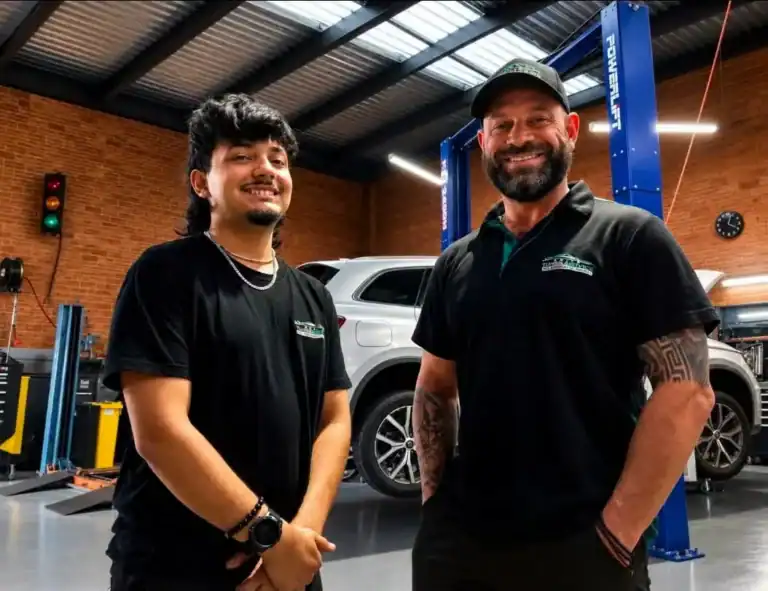
We’ve been servicing European vehicles for over 30 years, and 18 of those years have been right here in Kirrawee. We specialise in European makes because we understand their systems properly. We have the diagnostic equipment to read European fault codes, and we use OEM-specification fluids because we know these brakes were engineered for specific fluid properties.
We’re honest about what’s needed. You won’t get pressured into extras, and you won’t get sold a full brake overhaul when you only need a fluid change. We do the work right the first time, which protects your warranty and keeps your brakes reliable.
Every brake system inspection includes a free 30-point check with minor services, so you’ll understand the full health of your braking system, not just the fluid. Fair, transparent pricing and no surprises is how we work.
Book Your Brake Fluid Change at Shire Tune & Service
If your European vehicle is due for a brake fluid change or if your brakes don’t feel as responsive as they should, call us today or book your free inspection online. We’ll get your braking system back to manufacturer standard and keep your car safe on Kirrawee roads.