Brake problems on a Honda don’t announce themselves gently. You’ll notice a soft pedal, a grinding sound, or a warning light on the dash, and suddenly you’re wondering whether it’s safe to drive. A Honda brake specialist in Kirrawee needs to diagnose the issue quickly and fix it properly, because brake failure isn’t something you want to discover in traffic. At Shire Tune & Service, we’ve spent over 30 years working on Honda brakes specifically – from Civic and Accord models to CR-Vs and older Jazz variants – and we understand how Honda’s brake systems are engineered, how they wear, and what warning signs matter.
Common Honda Brake Warning Signs
Your Honda is built to tell you when its brakes need attention. Learning to recognise those signals means you’ll catch problems early, before they become expensive or unsafe.
- A soft or spongy brake pedal that sinks toward the floor
- Grinding or squealing noises when braking
- A pulsing or vibrating sensation through the pedal
- The brake warning light illuminated on the dashboard
- Brakes that feel less responsive than usual, requiring more pressure
- Uneven wear or reduced pad thickness visible through the wheel
- Brake fluid leaking under the vehicle
Some of these symptoms develop gradually; others appear suddenly. Either way, they deserve a proper inspection rather than a guess. Honda’s hydraulic systems are well-designed, but they still rely on fluid pressure, healthy pads, and unwarped rotors to work safely.
What a Honda Brake Inspection and Service Involves
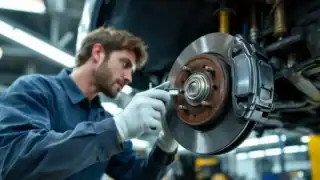
When you bring your Honda in for brake work, we start by understanding what you’re experiencing. Is the issue new, or has it been creeping up for weeks? We then put the vehicle on a hoist and conduct a thorough inspection of the entire brake system.
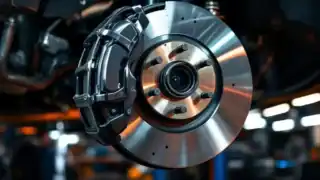
This means measuring pad thickness with precision tools, checking rotor runout and thickness against Honda’s specifications, inspecting brake hoses for cracks or swelling, examining the calliper mechanisms for corrosion or sticking, and testing the brake fluid’s condition. Honda vehicles, particularly those a few years old, can develop issues with calliper corrosion in humid coastal areas like the Shire – salt air accelerates rust on exposed metal surfaces. We check for this specifically because it’s a common finding on local Hondas.
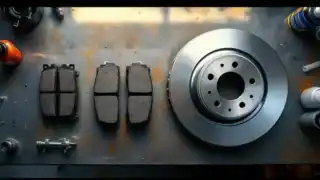
Once we’ve diagnosed the issue, we explain exactly what needs replacing or adjusting. If pads are worn, we fit genuine Honda-equivalent pads or quality aftermarket alternatives, depending on your preference and budget. If rotors are warped or scored beyond tolerance, we replace them. If the brake fluid is contaminated or overdue for a change, we flush and refill the system with fluid that meets Honda’s specification. We also inspect and condition master cylinders, brake lines, and calliper seals as needed.
For Honda models with ABS (anti-lock braking systems), our diagnostic equipment allows us to read fault codes and test the system’s function. A fault code doesn’t always mean an expensive repair – sometimes it’s a sensor issue or a simple software reset – but it requires proper diagnosis to know for sure.
Brake Pad, Rotor, and Fluid Replacement on Hondas
Honda brake components are engineered for reliability, but they’re not immune to wear. Pad lifespan depends on your driving habits – city commuting wears pads faster than highway driving. Rotors typically last longer than pads but can warp if braking is severe or continuous. Brake fluid absorbs moisture over time and should be replaced every two years regardless of visible condition, because contaminated fluid reduces braking effectiveness and can damage internal brake components.
We stock genuine Honda parts for current and recent models, and we can source older components quickly for classic or out-of-production Honda variants. If you prefer quality aftermarket pads or rotors, we’ll use those instead – the choice is yours, and we’ll explain the difference in warranty and durability before fitting anything.
What Affects Brake Repair Cost and Timeline
Several factors influence the scope and cost of brake work on your Honda. The extent of damage matters – replacing pads alone is straightforward and quick, but if rotors are warped and callipers are sticking, the job takes longer and costs more. The age and mileage of your vehicle also play a role; older Hondas may have corrosion that requires extra attention or calliper replacement.
Parts availability is usually not an issue for current Honda models, but if you own an older or rare variant, we may need a day or two to source components. We’ll always let you know the timeline upfront rather than guessing. Whether you choose genuine Honda parts or quality aftermarket alternatives also affects the final cost – genuine parts cost more but carry Honda’s backing, while good aftermarket parts offer better value without sacrificing safety.
Labour time varies by job complexity. A brake pad and rotor replacement on a standard sedan typically takes a few hours. If we discover leaking seals, corroded lines, or ABS faults, the job extends accordingly. We’ll provide an honest estimate before we start work, and you’ll know exactly what you’re paying for.
Why Choose Shire Tune & Service for Your Honda Brakes in Kirrawee
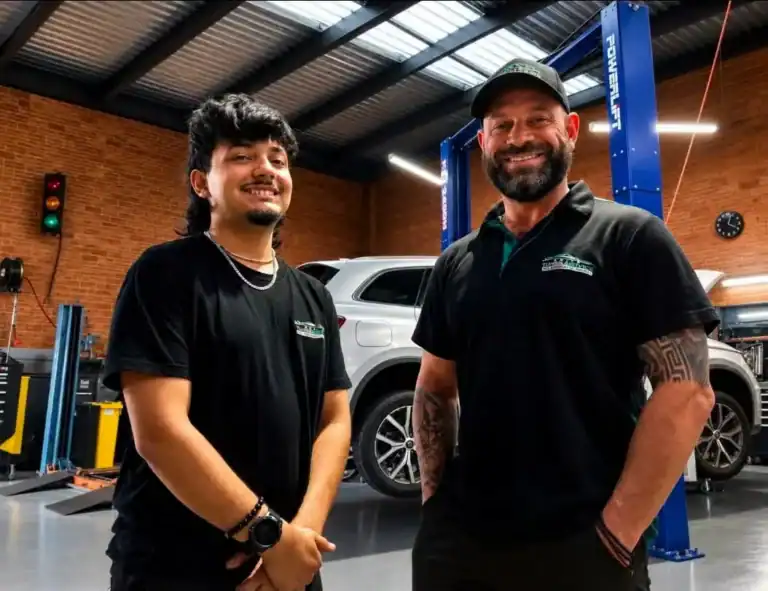
We’re an independent workshop, not a franchise or dealership, which means we price brake work fairly and without upsell pressure. We’ve specialised in Honda vehicles for nearly two decades in the local Kirrawee area, and we understand the specific wear patterns, design quirks, and common faults that Honda owners encounter. Our diagnostic equipment is current and Honda-compatible, so we can read fault codes, test brake pressure, and measure component wear accurately rather than relying on guesswork.
We use genuine parts or quality equivalents depending on your preference, and we warranty our work. Your Honda’s manufacturer warranty isn’t affected by having brakes serviced at an independent workshop – Australian consumer law protects your right to choose where you service – so you get dealership-standard diagnostics and parts at honest, transparent pricing.
If you’ve noticed soft brakes, grinding sounds, or warning lights on your Honda, the next step is a proper inspection. Call Us Today to Book Your Free Inspection for your Honda brake service, or ask any questions about your specific vehicle.