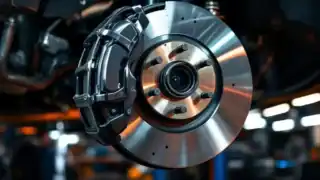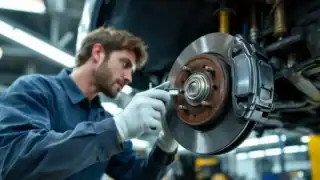
Honda brake replacement is one of the most important maintenance tasks you’ll face as a Honda owner in Kirrawee. Unlike other wear items on your car, your brakes are a safety-critical system that directly affects your ability to stop safely in an emergency. When brake pads wear down or rotors become damaged, replacing them promptly protects you, your passengers, and everyone else on the road. At Shire Tune & Service, we inspect Honda brakes using modern diagnostic equipment and genuine or OEM-equivalent parts to restore your car’s stopping power and give you peace of mind.
Common Warning Signs Your Honda Needs Brake Replacement
Most Honda owners notice brake problems before they become dangerous, but it helps to know what to listen and feel for. The most obvious sign is a high-pitched squealing or squeaking noise when you brake, especially when the car is cold or coming to a gentle stop. This noise typically comes from a wear indicator tab built into Honda brake pads, designed to alert you when friction material is running low.
Beyond noise, pay attention to how your brake pedal feels and sounds:
- A soft or spongy brake pedal that requires extra pressure to stop the car
- A grinding or metal-on-metal sound when braking, indicating pads are worn through to the backing plate
- Vibration or pulsing in the pedal, often a sign of warped or unevenly worn rotors
- Longer stopping distances than usual, even with normal pedal pressure
- A burning smell near the wheels after hard braking or driving downhill
If you notice any of these, don’t delay. Continuing to drive on severely worn brakes risks brake failure and damage to other components like rotors and calipers, which can make repairs significantly more costly.
Honda Brake Replacement in Kirrawee: What We Inspect and Replace
When you bring your Honda in for brake work, we start with a thorough inspection using our up-to-date diagnostic equipment. This isn’t just about measuring pad thickness. We examine the entire brake system to identify what actually needs replacing and what can safely remain.
For Honda vehicles, we follow the manufacturer’s service schedule and specifications. Most Honda models use disc brakes on the front and either disc or drum brakes at the rear, depending on the model year and trim. Our inspection covers:
- Brake pad thickness on all wheels
- Rotor condition, including runout (warping) and surface scoring
- Calipers for sticking pistons or damaged seals
- Brake fluid condition and level
- Brake hoses for cracks or leaks
- Rear drums or rotors, depending on your model
Once we’ve identified what needs replacing, we talk you through the findings. We use genuine Honda parts or OEM-equivalent alternatives that meet Honda specifications, ensuring your brakes perform as the manufacturer intended. When we replace brake pads and rotors, we also clean and inspect the calipers, apply appropriate anti-corrosion compounds to prevent noise, and bed in the new pads properly. This attention to detail is what prevents comeback visits and keeps your brakes quiet and responsive.
For Honda brake drum replacement or Honda brake shoe replacement on rear drums, the process is more involved than disc brakes. We remove the wheels, remove the brake drums, replace shoes and springs, and adjust the drum brakes to specification. This is not a quick job, but it’s essential for rear brake safety on models that still use drums.
What Affects Cost and Timeframe for Honda Brake Work
Several factors influence how much your Honda brake replacement will cost and how long it takes. Front brake pads and rotors tend to wear faster than rear brakes because the front carries most of the braking load, so front-only jobs are common and typically faster. However, if your Honda has been neglected and the pads have worn through to the backing plate, you may have caliper damage that requires additional repair or replacement.
The parts you choose also affect cost. Genuine Honda parts carry OEM pricing and fit perfectly, but quality aftermarket alternatives that meet Honda specifications are available at a lower cost. We’ll outline both options so you can make an informed choice. Brake fluid flushes, if needed, add time and cost but are sometimes necessary if the fluid has degraded or moisture has accumulated in the system.
Rear drum brake work takes longer than disc brake replacement because the job is more labour-intensive. Parts availability is rarely an issue for Honda vehicles, so you won’t typically face extended waits. Turnaround depends on workshop demand, but we’ll give you a realistic timeframe when you book.
Why Shire Tune & Service for Your Honda Brake Replacement
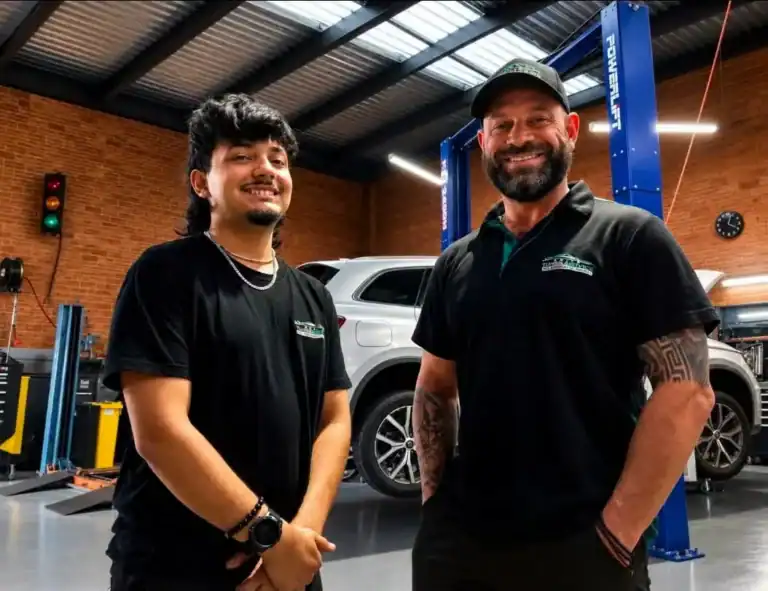
We’ve been servicing Honda vehicles and other Japanese makes in Kirrawee for over 18 years. Our technicians have hands-on experience with the most common Honda brake issues and the latest diagnostic tools to pinpoint exactly what needs attention. We don’t oversell unnecessary work, and we don’t use cheap parts that fail quickly. What you get is honest advice, genuine parts that meet Honda specifications, and fair, transparent pricing with no surprises.
Your Honda manufacturer warranty isn’t compromised by choosing an independent workshop for brake replacement. We use OEM-spec parts and follow Honda service standards, so your warranty protection remains intact. You’re not paying dealership markups, and you’re working with a local owner-operator who’s built their reputation on doing the job right the first time.
Book Your Honda Brake Inspection Today
If you’ve noticed squealing brakes, a spongy pedal, or longer stopping distances, don’t wait. Brakes are too important to ignore. Call Us Today to discuss your Honda brake concerns, or Book Your Free Inspection online. We’ll inspect your brakes thoroughly and explain exactly what needs doing before any work begins.