Mitsubishi brake replacement is one of the most important services you can have done to keep your vehicle safe and reliable. Whether you’re hearing a squealing noise when you brake, noticing the pedal feels soft, or your brakes simply aren’t stopping the car as quickly as they should, professional inspection and repair are essential. We’ve been servicing Mitsubishi models across Kirrawee and the Sutherland Shire for over 18 years, and brake work is something we see regularly across the range — from Lancer and Outlander models through to Triton utes and Pajero 4WDs. Each model has its own brake characteristics and service requirements, and we use OEM-spec diagnostics to identify exactly what needs replacing.
When Do You Need Mitsubishi Brake Pad Replacement or Rotor Work?
Brake symptoms don’t always announce themselves loudly. Sometimes they creep up gradually, and by the time you notice, the damage has spread further than it needed to. Here are the most common warning signs that your Mitsubishi needs brake attention:
- A high-pitched squealing or squeaking sound when braking, especially in light rain or cool mornings
- A grinding noise under braking, which usually means pads have worn through to the metal backing plate
- The brake pedal feels soft, spongy, or sinks lower than normal
- Reduced stopping power or the car taking longer to come to a complete stop
- A vibration or pulsing through the brake pedal when you apply pressure
- The brake warning light on your dashboard is illuminated
- Visible rust or scoring on the brake rotor surface when you look through the wheel
Mitsubishi brake systems are generally well engineered, but wear patterns depend on your driving style, road conditions in the Shire, and how often you’re towing or carrying heavy loads. If you own a Triton and tow regularly, your brake pads and rotors will wear faster than someone commuting in a Lancer. That’s normal — it’s not a defect, just physics. The sooner you address worn brakes, the less expensive the repair becomes. Once rotors start scoring or warping, you’re replacing them instead of just resurfacing them, and the cost jumps accordingly.
How Mitsubishi Brake Replacement Works at Our Kirrawee Workshop
Our approach to Mitsubishi brake replacement follows a strict diagnostic and service protocol. We don’t assume what needs replacing — we inspect and measure first, then advise you on what we’ve found.
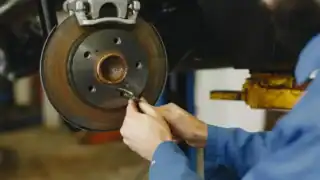
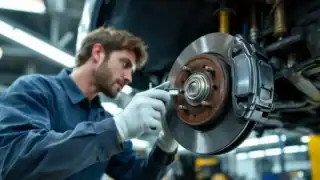
Step 1: Full brake system inspection. We lift your Mitsubishi safely and remove the wheels. We visually inspect the pad thickness using a calliper to measure exactly how much friction material remains. We check rotor thickness and surface condition, looking for scoring, rust, or uneven wear. We inspect the caliper hardware, brake lines, and brake fluid condition. On older models, we also check brake drum wear if your Mitsubishi has rear drum brakes.
Step 2: Brake fluid assessment. Your brake system relies on clean, moisture-free fluid. Brake fluid absorbs water over time, which lowers its boiling point and reduces stopping power. We test fluid condition and replace it if necessary — this is especially important on Mitsubishi models that spend a lot of time in humid coastal conditions or high-altitude driving.
Step 3: Determine what needs replacing. Not every brake service requires new rotors. If your pads are worn but rotors are still within specification, we replace pads only. If rotors are scored, warped, or below minimum thickness, they must be replaced. We use genuine Mitsubishi parts or OEM-equivalent replacements that meet the exact specifications your model requires — critical for ensuring your brakes work as designed and your warranty remains unaffected.
Step 4: Complete the brake replacement. We remove old pads and hardware, clean and prepare the caliper surfaces, fit new pads with appropriate anti-squeal shims, and install new rotors if needed. We clean and lubricate all moving parts, then bleed the brake system to remove any air that can compromise pedal feel. Finally, we test your brakes thoroughly before returning your vehicle.
What Affects Brake Replacement Cost and Turnaround?
Several factors influence how much your Mitsubishi brake work will cost and how long it takes.
Parts and specifications. A Lancer sedan will have different brake system requirements than an Outlander SUV or a Triton ute. Larger vehicles with higher towing capacity have heavier-duty braking systems, so parts cost more. Whether we’re replacing front pads only, front and rear, or rotors as well makes a significant difference to the final invoice. We always show you what we’ve found during inspection before proceeding.
Parts availability. Genuine Mitsubishi brake components are normally in stock or can be ordered quickly. If you choose aftermarket equivalents, turnaround is generally faster and cost slightly lower, but we’ll always discuss your options upfront so you can decide what suits your situation.
System complexity. Some brake issues require additional work — replacing brake lines that have corroded, flushing contaminated fluid, or recalibrating brake sensors on newer models. We identify these during inspection and explain them clearly before moving forward.
Brake work is rarely a rush job, but we schedule brake replacements promptly because safety matters. If your brakes are compromised, we prioritise your booking within our available slots.
Why Trust Your Mitsubishi Brakes to Shire Tune & Service
We’ve spent over 30 years learning how cars actually work and how to fix them honestly. That experience matters when it comes to brakes, because brake decisions affect your safety and your family’s safety.
We specialise in Japanese vehicles, including Mitsubishi. That means we understand the common wear patterns, failure modes, and service intervals specific to Mitsubishi models. We use up-to-date diagnostic equipment to measure rotor thickness and brake pad wear accurately — no guessing, no upselling unnecessary work. We source genuine Mitsubishi parts and OEM-equivalent replacements that meet your vehicle’s exact specifications, so your brakes perform reliably and your manufacturer warranty stays intact.
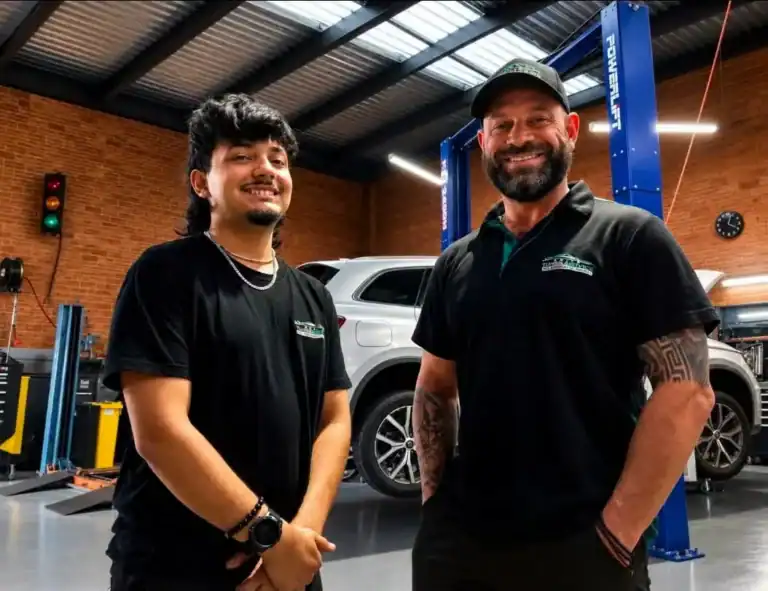
We’re local owner-operators, 18 years in Kirrawee. We service the cars we sell to our neighbours, which means our reputation depends on quality work and honest advice. We don’t pressure you into replacing parts you don’t need. When brakes need attention, we’ll tell you. When they can wait safely until your next service, we’ll tell you that too. Fair, transparent pricing means no surprises on the final bill.
Next Steps for Your Mitsubishi Brake Service
If you’re noticing any of the brake symptoms described above, or your Mitsubishi is due for a service check, get in touch. Call Us Today for a straightforward chat about what you’ve noticed, or Book Your Free Inspection online. We’ll get your brakes properly assessed and advise you on what’s needed to keep you safe on the roads around Kirrawee.