Brake replacement on Japanese vehicles is one of the most important safety services you’ll need. Whether you drive a Toyota, Mazda, Honda, Nissan, Subaru, or Mitsubishi, your brakes are the single most critical system for protecting you and your family on the road. Japanese vehicles brake replacement isn’t just about swapping pads or rotors—it’s about understanding how your specific vehicle’s braking system works, diagnosing what’s actually worn, and restoring that safe, responsive feel you rely on every time you step on the pedal. We’ve been servicing Japanese vehicles in Kirrawee for over 18 years, and brake work remains one of the most common repairs we carry out, precisely because brake wear is predictable and preventable with proper inspection.
How to Tell Your Japanese Vehicle Needs Brake Work
Most drivers notice brake issues before they become dangerous, but knowing what to listen and feel for makes all the difference. Here are the real warning signs that your Japanese vehicle is telling you brake replacement is overdue:
- A high-pitched squealing or squeaking when you brake, especially in cold mornings or light braking.
- A grinding noise, which means the brake pad material has worn completely and metal is now rubbing metal.
- A soft or spongy brake pedal that requires extra pressure to stop the vehicle effectively.
- Visible brake fluid leaking under the vehicle or around the wheel area.
- Brake warning lights on your dashboard, whether the main brake warning or the ABS light.
- A pulsing or vibrating sensation through the pedal or steering wheel when braking, which usually points to warped rotors.
- Longer stopping distances than normal, or the car pulling to one side when you brake.
Many Japanese vehicle owners also reach us at regular service intervals—often every 50,000 to 80,000 kilometres depending on the model and your driving habits—simply because they want a professional inspection before wear becomes a safety issue. This proactive approach saves money and stress in the long run.
What We Do During Japanese Vehicles Brake Replacement
Brake work on Japanese vehicles follows a methodical process that starts with a thorough inspection, not assumptions. We don’t simply replace pads because a warning light came on; we diagnose what’s actually happening with your braking system and report it honestly.
Initial Inspection and Diagnostics
We lift your vehicle safely and visually inspect both front and rear brakes. We measure brake pad thickness with precision tools—Japanese manufacturers often specify exact wear limits (typically 1.5mm to 2mm remaining before replacement becomes mandatory). We also check rotor thickness and surface condition using calibrated gauges. If the rotors are warped, scored, or below manufacturer minimum thickness, we’ll flag that clearly and explain why they need replacement rather than resurfacing.
Brake Fluid Assessment
Your brake fluid is often overlooked but absolutely critical. Japanese vehicles use different brake fluid specifications depending on model and generation. We test fluid condition and moisture content—brake fluid absorbs water over time, which reduces braking efficiency and can cause corrosion inside the system. If fluid renewal is needed as part of your brake replacement, we use OEM-spec or genuine-equivalent fluid that matches your vehicle’s requirements.
Component Replacement and Fitment
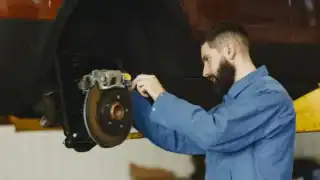
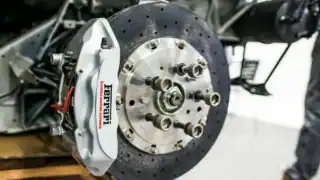
Once we’ve identified what needs replacing, we source genuine or quality equivalent brake pads, rotors, and hardware specific to your Japanese vehicle model. We disassemble the brake assembly carefully, clean out old debris and rust, and install new components to manufacturer specifications. We also inspect and replace brake hoses if they show deterioration, and we check caliper operation to ensure they’re not sticking.
Testing and Road Verification
Before we return your vehicle, we test the brakes on a safe surface to confirm feel, responsiveness, and balance. You’ll notice the difference immediately—a firm, progressive pedal and confident stopping power instead of the soft or grinding sensation you may have experienced.
What Affects Cost and Turnaround Time for Brake Replacement
Brake work isn’t one-size-fits-all, and several factors influence how long the job takes and what you’ll invest:
Vehicle type and brake configuration: A sedan with front-wheel-drive will have simpler brake geometry than a larger SUV or ute. Some Japanese models use drum brakes on the rear, others use disc brakes front and rear. We assess your specific setup during inspection.
Parts availability: We stock common brake components for popular Japanese models—Toyota Camry, Corolla, and LandCruiser; Honda Civic and CR-V; Mazda 3 and 6; Nissan Navara and X-Trail; Subaru Outback and Impreza. Less common models may require ordering, which we’ll confirm upfront.
Rotor condition: If rotors can be resurfaced safely (remaining within manufacturer thickness limits), the job is faster and less costly. If they must be replaced entirely, time and cost increase slightly. We never skip this assessment to save time—proper rotors are non-negotiable for safe braking.
Caliper and hardware issues: Occasionally we discover seized calipers or corroded hardware during disassembly. We’ll discuss these findings with you before proceeding and never surprise you with extra costs.
We’re transparent about pricing from the start. You’ll receive a detailed written quote before any work begins, and you’ll understand exactly what’s being replaced and why.
Why Japanese Vehicle Owners Choose Shire Tune & Service for Brake Replacement in Kirrawee
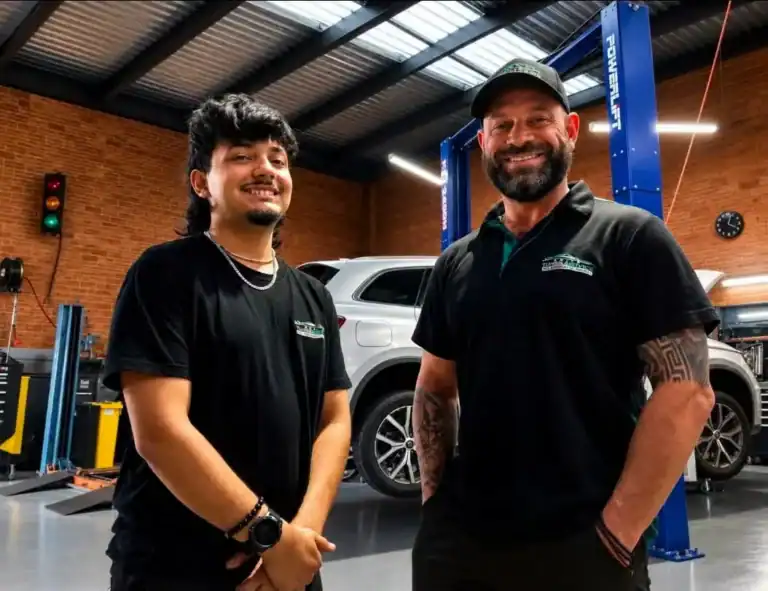
Brake work demands precision and honesty. We’ve spent over 30 years building hands-on experience, and the last 18 years serving Kirrawee and the Sutherland Shire has given us deep familiarity with Japanese vehicle brake systems. We specialise in Japanese vehicles—not as a side service, but as a core strength—and we invest in diagnostic equipment and training to get brake diagnostics exactly right.
Unlike quick-fit chains that process brakes on volume, we take time to inspect thoroughly and explain what we find. Unlike some dealerships, we don’t upsell unnecessary work or push expensive parts you don’t need. We use genuine parts or quality equivalents that meet OEM specifications, and your manufacturer warranty remains fully protected when we service your vehicle.
As a local owner-operator, we build relationships with customers we see year after year. Your brake safety matters to us as much as it matters to you. Every Japanese vehicle brake replacement we complete comes with the assurance that we’ve done it properly, and we’ll stand behind the work. Our 5.0 verified reviews reflect our commitment to honest advice and quality work that protects your investment.
Book Your Free Inspection in Kirrawee Today
Don’t wait for grinding noises or a soft pedal to have your brakes checked. Call Us Today to discuss your vehicle’s brake condition, or Book Your Free Inspection online. We’ll diagnose exactly what your Japanese vehicle needs and give you honest advice about timing and cost. We’re here to keep you and your family safe on the road.