Brake replacement on your Subaru is one of the most important maintenance tasks you’ll face as an owner. Whether you’re dealing with worn pads, damaged rotors, or a complete brake system overhaul, having this work done properly directly affects your safety and the safety of everyone sharing the road with you. At Shire Tune & Service in Kirrawee, we understand Subaru’s engineering and brake specifications, and we approach every Subaru brake replacement with the attention it deserves. This isn’t work to rush or cut corners on.
When Do Your Subaru Brakes Need Replacement?
The first sign most drivers notice is a squealing or squeaking sound when braking, especially in the mornings or after the car has been parked. This is often your brake pad wear indicators doing their job, alerting you before metal starts grinding on rotor. But there are other warning signs you shouldn’t ignore:
- A soft or spongy brake pedal that requires more pressure than usual to stop the car
- The brake pedal sinking to the floor or feeling like it has no resistance
- A grinding or scraping sensation when you apply the brakes, which usually means pads have worn completely
- Brake fluid leaking beneath the vehicle, visible as dark spots on your driveway or garage floor
- Your Subaru pulling to one side when you brake, suggesting uneven pad wear or a sticking caliper
- A burning smell coming from the wheels after heavy braking or long descents
- Visible rust or scoring on the rotor surface when you look through the wheel
Modern Subarus, particularly models like the Impreza, Outback, and Forester, are equipped with responsive braking systems designed to handle both everyday driving and more demanding conditions. Ignoring these warning signs doesn’t save money; it typically leads to more expensive repairs down the track and puts your safety at real risk.
Understanding Subaru Brake Replacement: What We Inspect and Replace
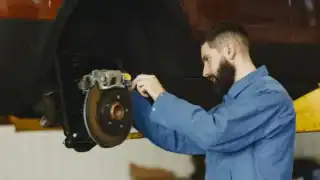
Subaru brake replacement isn’t simply changing pads and calling it done. A proper job involves diagnosing the entire braking system to identify what actually needs replacement and what can safely continue in service. We start by lifting the vehicle and removing the wheels to inspect the condition of the pads, rotors, calipers, and brake lines.
For Subaru vehicles, we follow Subaru’s own service specifications and use diagnostic procedures that account for your model’s specific brake architecture. Subaru’s all-wheel-drive models, in particular, distribute braking force differently across the front and rear axles, which means brake wear patterns can vary from standard vehicles. We measure rotor thickness and run-out (warping), check pad material composition, inspect caliper slide pins for corrosion, and examine brake fluid condition. If the fluid is dark or has absorbed moisture, we’ll recommend a brake fluid flush as part of the replacement.
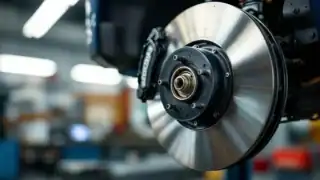
Our approach to Subaru brake pad change or Subaru brake pad replacement includes evaluating whether your specific Subaru needs genuine Subaru parts or quality equivalent components that meet OEM specifications. We also assess whether brake rotors require replacement or can be safely resurfaced. Some Subaru models have thinner rotors than others, and resurfacing isn’t always an option if wear is significant. We explain these factors clearly so you understand exactly why parts are being replaced.
For drivers with Subaru models featuring drum brakes on the rear, Subaru brake drum replacement and Subaru brake shoe replacement follow a similar diagnostic process. We check wheel cylinder function, spring tension, and friction material thickness before recommending replacement.
What Influences Brake Replacement Cost and Turnaround Time
Several factors affect both the cost and how long your Subaru is in the workshop. The extent of damage matters significantly; a simple Subaru brake pad replacement takes a fraction of the time compared to Subaru brake rotors replacement combined with caliper service. Parts availability also plays a role. Genuine Subaru parts sometimes require ordering, whereas quality aftermarket equivalents might be in stock. Your model year and braking system type matter too. Newer Subaru vehicles often have more complex brake electronics integrated with stability control, which requires careful diagnostic work but doesn’t necessarily mean higher labour costs if we have the right equipment.
We don’t charge by guesswork. Once we’ve inspected your brakes, we’ll outline exactly what needs replacement, show you the parts involved, and explain the difference in cost and longevity between options. There’s no surprise bill when you pick up your car.
Why Trust Shire Tune & Service With Your Subaru’s Brakes
Over 30 years of hands-on experience and 18 years serving the Kirrawee and Sutherland Shire community means we’ve worked on thousands of Subaru brake systems. Japanese vehicles are a core specialisation, and we invest in the diagnostic tools necessary to work on modern Subaru architecture properly. We use genuine Subaru parts where they make sense for your vehicle, and we’re transparent about when quality alternatives offer the same safety and longevity at fairer cost.
As an independent workshop, we don’t have the pressure to upsell components you don’t need. If your rotors measure within specification and don’t show damage, we’ll tell you that and charge you only for the pads. We stand behind our brake work because safety matters to us as much as it matters to you. Every Subaru brake replacement we complete protects your warranty and meets Australian roadworthy standards.
Get Your Subaru’s Brakes Inspected in Kirrawee Today
If you’ve heard squealing, felt a soft pedal, or noticed any of the warning signs mentioned above, don’t wait. Book your free inspection with us so we can diagnose what your Subaru actually needs. We’ll explain everything clearly, answer your questions, and give you honest advice on the best path forward. Call Us Today or Book Your Free Inspection online to get started.