Brake failure isn’t something you want to discover mid-drive. If your Hyundai’s brakes feel soft, noisy, or unresponsive, Hyundai brake replacement or brake pad change might be exactly what your vehicle needs. We service Hyundai models across Kirrawee and the Sutherland Shire, diagnosing brake issues quickly and replacing worn or damaged components with OEM-spec parts that keep your warranty intact and your stopping power reliable.
Warning Signs Your Hyundai Needs Brake Work
Hyundai vehicles are engineered with responsive braking systems, but like any car, brake pads and rotors wear down over time. The warning signs are usually clear once you know what to listen and feel for.
- High-pitched squealing or grinding sounds when braking, especially in the morning or after rain
- A soft or spongy brake pedal that sinks lower than normal
- Brake pedal feels hard to press, requiring extra force to stop
- Vehicle pulls to one side when braking
- Brake warning light illuminated on the dashboard
- Visible wear on brake pads (less than 3mm thickness visible through the wheel)
- Brake fluid that looks dark or contaminated when you check the reservoir
Some Hyundai models, especially i30 and i40 variants, can show accelerated rear brake pad wear if the vehicle carries heavy loads regularly or sits in traffic with frequent braking. If you’ve clocked up 60,000 to 100,000 kilometres since your last brake service, an inspection is worthwhile even if you haven’t noticed symptoms yet.
How Hyundai Brake Diagnostics Work at Our Kirrawee Workshop
When you bring your Hyundai in for a brake inspection, we don’t just look at the pads. We use up-to-date diagnostic equipment to measure brake pad thickness, check rotor runout (warping), test brake fluid condition, and inspect the entire hydraulic system for leaks or blockages. This approach catches problems early and prevents expensive emergency repairs.
For Hyundai vehicles specifically, we follow the manufacturer’s service schedule and diagnostic procedures. Hyundai brakes are designed to work with specific fluid types and component tolerances, so we measure everything precisely rather than guessing whether replacement is needed. We also inspect the brake callipers, wheel cylinders, and hoses, since corrosion or damage in these areas can compromise safety even if the pads are acceptable.
Once the inspection is complete, we show you exactly what we found. If your Hyundai brake pads are worn, we’ll explain how much life remains and when replacement makes sense. If rotors need turning or replacement, we’ll explain why and the cost difference between the two options. You’ll know exactly what’s needed before we start any work.
Hyundai Brake Replacement: What’s Involved
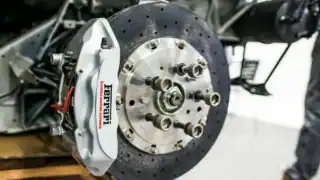
A complete Hyundai brake pad change typically includes removing the wheels, inspecting the rotors for damage or uneven wear, replacing the brake pads with OEM-equivalent parts, and bedding in the new pads by performing a series of controlled stops to ensure smooth, even braking. If the rotors are within acceptable limits, we clean them and reassemble. If they’re scored, warped, or beyond safe limits, we replace them.
We use genuine Hyundai parts or OEM-equivalent replacements that match the original specifications for your model and year. Cheap aftermarket pads might save you money upfront, but they often wear faster and can produce noise or poor braking response. Because we’re not a dealership, we can offer fair pricing on genuine parts without the franchise markup, and your warranty remains unaffected.
Brake drum replacement on rear brakes (found on some older Hyundai models) involves a different process: we remove the drums, inspect the brake shoes and cylinders, and replace worn shoes with OEM-spec units. This is less common than disc brake work, but if your Hyundai uses rear drums, we handle it with the same precision.
What Affects Brake Replacement Cost and Timeline
The cost of Hyundai brake replacement depends on several factors. Whether you need pads only, pads and rotors, or a complete hydraulic system refresh will change the final bill. The model of your Hyundai matters too: a small hatchback like an i20 costs less to service than a larger SUV like a Santa Fe, which has more brake mass and larger components.
Parts availability is rarely a concern with Hyundai vehicles in Australia, so we can usually complete the work within a day. If we discover hidden damage during inspection (like a leaking caliper or contaminated fluid), that might extend the timeline, but we’ll call and explain what we’ve found and what it means for cost before proceeding.
We price brake work honestly and transparently. No surprises, no upselling parts you don’t need. You’ll receive a written quote before work begins, and if anything changes during the job, we’ll contact you to confirm approval.
Why Hyundai Owners in Kirrawee Choose Shire Tune & Service
We’ve spent over 30 years working on brakes across European and Japanese vehicles, including 18+ years serving Kirrawee and the local Sutherland Shire. Hyundai models have been part of that work consistently, and we understand their brake architecture, common wear patterns, and the OEM service schedules that keep them safe.
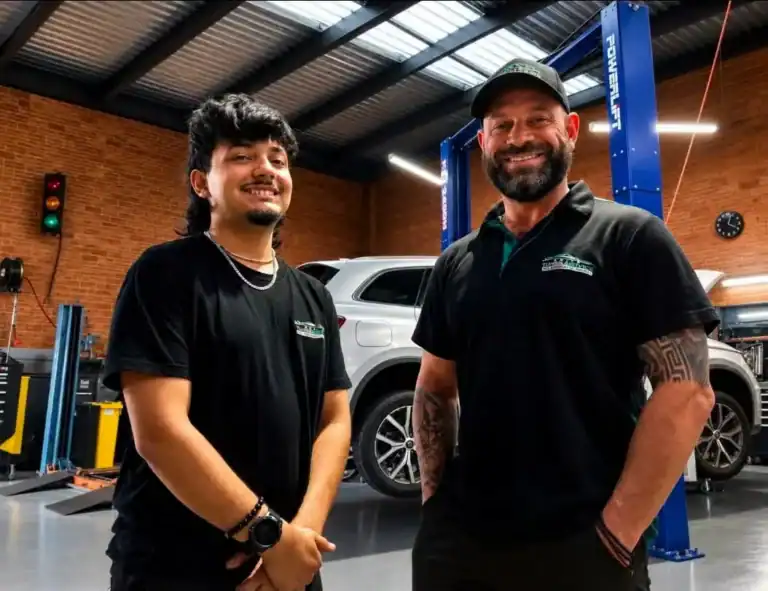
We use proper diagnostic equipment to measure and test, not guesswork. We replace parts with genuine or OEM-equivalent components that protect your vehicle’s warranty and performance. And because Shire Tune & Service is a local, owner-operated workshop, not a franchise or quick-fit chain, you’ll get honest advice and fair pricing. No upselling, no pressure to replace parts that still have life left.
Every Hyundai brake service includes a free 30-point inspection so you’ll know the condition of your full brake system, not just the pads.
Book Your Hyundai Brake Inspection Today
If your Hyundai’s brakes feel soft, sound unusual, or you’re past 80,000 kilometres since the last service, book your free inspection with us in Kirrawee. Call Us Today or Book Your Free Inspection online to get your brakes properly diagnosed and replacement scheduled at fair, transparent pricing.