Your Hyundai’s braking system is one of the most important safety features on the vehicle. When you press the brake pedal, a complex series of hydraulic and mechanical components work together to stop your car reliably. Hyundai brake service isn’t just about replacing worn pads — it’s about making sure every part of that system is working as it should, from the fluid pressure in the lines to the condition of the rotors and calipers. We’ve been servicing Hyundai vehicles in Kirrawee for over 18 years, and we see the full range of brake wear patterns across Hyundai’s model range, from compact sedans to SUVs.
Warning Signs Your Hyundai Brakes Need Inspection
The most obvious sign is a soft or spongy brake pedal, or one that sinks lower than usual before stopping the vehicle. You might also notice longer stopping distances, a grinding or squealing noise when braking, or a visible warning light on your dash. Some drivers describe a vibration through the brake pedal, particularly under hard braking or when coming to a stop from highway speed. These aren’t minor inconveniences — they’re your Hyundai telling you something needs attention.
- Brake pedal feels soft, spongy, or travels further than normal
- High-pitched squealing or grinding noise when braking
- Vibration or pulsing through the brake pedal
- Brake warning light illuminated on the dashboard
- Vehicle pulls to one side during braking
- Reduced braking power or longer stopping distance
- Burning smell after heavy braking or driving downhill
Even if you don’t notice obvious symptoms, Hyundai’s service schedule recommends regular brake inspections. Most pads wear gradually over time, and catching them before they damage the rotor saves you money and keeps your family safer. Hyundai also publishes specific brake fluid intervals and component specifications that we follow to keep your vehicle performing within manufacturer standards.
How We Service Your Hyundai’s Braking System
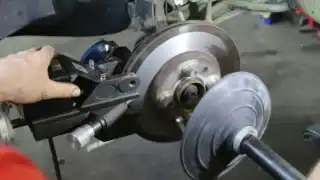
When you bring your Hyundai in for brake service, we start with a full diagnostic inspection. We remove each wheel and examine the brake pads, rotors, calipers, and brake hoses for wear, damage, or corrosion. For Hyundai models, we use OEM-spec diagnostic procedures and measurement standards to determine whether parts need replacement or if they’re still within acceptable tolerances.
The brake fluid itself is critical. Hyundai systems use DOT 3 or DOT 4 fluid depending on the model, and over time that fluid absorbs moisture from the air. When moisture builds up, it lowers the boiling point of the fluid, which can reduce braking performance under heavy use. We can test your brake fluid condition and advise whether a fluid flush is needed to keep the system functioning properly.
If your pads have worn to the minimum thickness, we’ll replace them with genuine Hyundai pads or quality equivalent parts that meet Hyundai’s friction and wear specifications. We always replace the rotors if they’re damaged, scored, or have excessive runout — putting new pads on damaged rotors is a false economy that creates vibration and poor braking feel. We also inspect the caliper pistons and seals, and will service or replace calipers if they’re sticking or leaking.
For Hyundai vehicles with ABS (anti-lock braking), we ensure the ABS sensor rings and wheel speed sensors are clean and functioning. A faulty ABS sensor can trigger warning lights and prevent the system from operating correctly, which we diagnose and repair as part of the service.
What Affects Brake Service Cost and Timing in Kirrawee
The scope of work depends on what we find during inspection. If only the pads are worn and rotors are still within spec, the job is straightforward. If the rotors need machining or replacement, or if the calipers require servicing, the cost and time will be higher. We’ll always show you what we’ve found and explain what needs to be done before we start work — no surprises.
Hyundai parts availability is generally good, as the brand has a strong local parts network. We can source genuine Hyundai components or quality aftermarket alternatives, depending on your preference and budget. We discuss options with you upfront so you understand exactly what you’re getting and why.
Turnaround time depends on whether we have parts in stock and the complexity of what needs replacing. A simple pad replacement might take an hour or two. A full brake service with rotor machining or caliper work usually takes longer. We’ll give you a realistic timeframe when you call or book in.
Why Hyundai Owners in Kirrawee Trust Us With Their Brakes
We’ve been servicing Hyundai vehicles for nearly two decades in this area, so we’re familiar with how Hyundai brakes perform and what tends to wear first on different models. We have the latest diagnostic equipment to test brake fluid condition, ABS sensors, and pressure sensors accurately. We don’t guess — we test and measure.
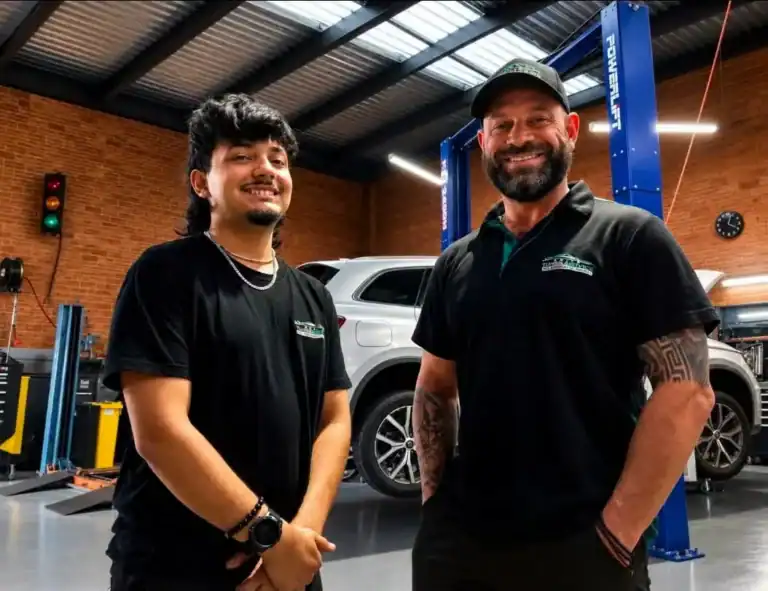
Our approach is honest and transparent. We won’t replace parts that don’t need replacing, and we won’t rush you into a service you don’t yet need. We explain what we find, what the options are, and let you decide. Because we’re owner-operated and local, you’ll get the same straightforward advice every time you come in.
We use genuine Hyundai parts or quality equivalents that meet the manufacturer’s specifications, so your warranty protection stays intact. Every brake service we do protects both your safety and your investment in the vehicle.
Next Steps
If you’ve noticed any of the warning signs mentioned above, or if it’s been a while since your last brake inspection, call us today or book your free inspection online. We’ll check your Hyundai’s braking system thoroughly and let you know exactly what’s needed to keep your family safe on the road.