30+ Years Experience
Honest, Clear Pricing
5.0★ Rating
All Makes & Models

5.0 (Verified Reviews)

Highly Rated Jeep Brake Service In Kirrawee

We inspect and service Jeep brakes to factory specifications using genuine parts and modern diagnostic tools. Safe, reliable brakes start with proper inspection. Book your free inspection.

Expert Diagnostics

Honest Advice

5.0★ Rating

Jeep Brake Precision

Book Your Free Inspection

Fill in the form and we'll be in touch to confirm your booking.

Booking Form
  • Vehicle Details
  • Confirm Vehicle
  • Services
  • Contact Details
No Upselling
Fair, Clear Pricing
Local & Experienced

Why Book With Us

Book Your Free Inspection
Drop Off Your Car
We Get to Work
Back on the Road

Brake safety is non-negotiable, and Jeep brake service is one of the most important jobs we do at Shire Tune & Service in Kirrawee. Whether you drive a Wrangler, Cherokee, Grand Cherokee, or Compass, your Jeep’s brakes are engineered to handle everything from suburban commutes to rougher terrain, but they need regular inspection and maintenance to stay reliable. Brake failure isn’t something that happens overnight most of the time, and that’s why catching warning signs early matters so much.

Common Warning Signs Your Jeep Needs Brake Service

Most drivers notice something’s wrong before brakes fail completely. If you hear a squealing or grinding sound when you brake, that’s your brake pad wear indicator or worn friction material telling you it’s time for inspection. A soft or spongy brake pedal, or one that requires more pressure than usual to stop, suggests air in the brake lines or failing hydraulic components. Pulling to one side during braking means uneven pad wear or a caliper issue. Vibration or pulsing through the pedal often points to warped rotors or stuck calipers.

  • Squealing or grinding noises when braking
  • Soft, spongy, or low brake pedal
  • Brake warning light on the dashboard
  • Vehicle pulling left or right under braking
  • Vibration or pulsing feedback through the pedal
  • Brake fluid leaks under the Jeep
  • Longer stopping distances than normal

Any of these signs means your Jeep needs a brake inspection straight away. Don’t drive longer than necessary if your brakes feel wrong.

What Happens During a Jeep Brake Service at Shire Tune & Service

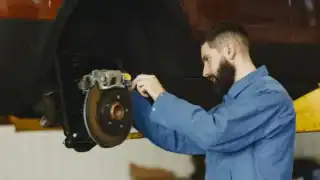
We start with a full visual inspection of all brake components. That means examining pads, rotors, calipers, brake hoses, and the master cylinder for wear, damage, or leaks. We measure pad thickness and rotor thickness against Jeep’s original equipment specifications to determine whether pads and rotors need replacement, reconditioning, or are still serviceable.

Next, we test brake fluid condition. Jeep brake systems use DOT 3 or DOT 4 fluid depending on your model, and moisture absorption over time reduces its effectiveness and can cause internal rust in brake components. If fluid is contaminated or old, a brake fluid flush replaces it with fresh fluid that meets Jeep’s specifications.

We then inspect and test calipers and wheel cylinders for smooth operation. Stuck or sluggish calipers are common on Jeeps exposed to moisture or off-road conditions, and we clean or replace them as needed. The hydraulic system is tested for leaks and proper pressure response.

For Jeep models with antilock brakes (ABS), our diagnostic equipment reads ABS fault codes to identify sensor or module issues that might affect braking performance. Modern Jeeps depend on these systems to maintain stability, especially on loose terrain or in emergency stops.

If your Jeep has been off-road or regularly driven in dusty conditions, brake dust accumulation inside the wheels can restrict cooling and cause premature wear. We inspect for this and clean as needed.

Parts, Fluid Specs, and Genuine Quality

We use brake pads, rotors, and fluid that meet or exceed Jeep’s original equipment standards. Genuine Jeep parts carry the design and material specifications your Jeep was engineered for, especially important on models like the Wrangler where braking performance in varied terrain is critical. If aftermarket parts suit your needs and budget, we discuss that openly with no pressure to upsell.

Brake fluid must match your Jeep’s specification exactly. We don’t guess. We also never reuse old fluid after a flush, and we dispose of it responsibly.

What Affects Cost and Timeframe for Your Brake Service

The scope of work depends on inspection findings. A brake pad replacement with rotor resurfacing on a single axle is straightforward and faster than a full system overhaul with calipers, hoses, and fluid flush. The condition of rotors matters, too. Some can be resurfaced and reused; others are too worn or damaged and need replacement. Parts availability for your specific Jeep model and year can affect timing if we need to order components, but we always confirm this with you before we start.

Vehicle age and maintenance history play a role as well. Jeeps with regular brake service typically need less extensive work. Vehicles with neglected brakes or high-mileage exposure may require more thorough restoration. We’ll explain what we find and what it means for your budget before proceeding.

Why Kirrawee Drivers Choose Shire Tune & Service for Jeep Brake Service

Over 30 years of hands-on brake experience means we’ve serviced thousands of Jeeps. We have the latest diagnostic equipment to read Jeep-specific fault codes and test brake system performance accurately. You won’t hear upselling pressure here, just honest advice about what your Jeep actually needs.

We’re familiar with the common wear patterns and issues Jeeps face, especially models used for work or light off-roading in the Kirrawee area. We price our work fairly and transparently. You’ll know exactly what’s being done and why before we touch your vehicle.

Every brake job is completed with genuine parts and correct Jeep fluid specifications, and your manufacturer warranty is protected when you service with us. If you have questions about the work or want to understand the findings before we proceed, we take the time to explain it clearly.

Next Steps for Your Jeep’s Brakes

If you’ve noticed any warning signs, or it’s just time for a brake inspection, Call Us Today to book your brake service. We’ll arrange a time that suits you and get your Jeep’s brakes checked thoroughly. You can also Book Your Free Inspection online and we’ll diagnose the issue, give you a clear picture of what’s needed, and let you decide how to proceed. Either way, we’re here to keep your Jeep stopping safely.
Other Services

Whatever your needs we have you covered, see some similar services below or click "See All Services" to explore our full service offering.

Your Trusted Local Mechanic in Kirrawee

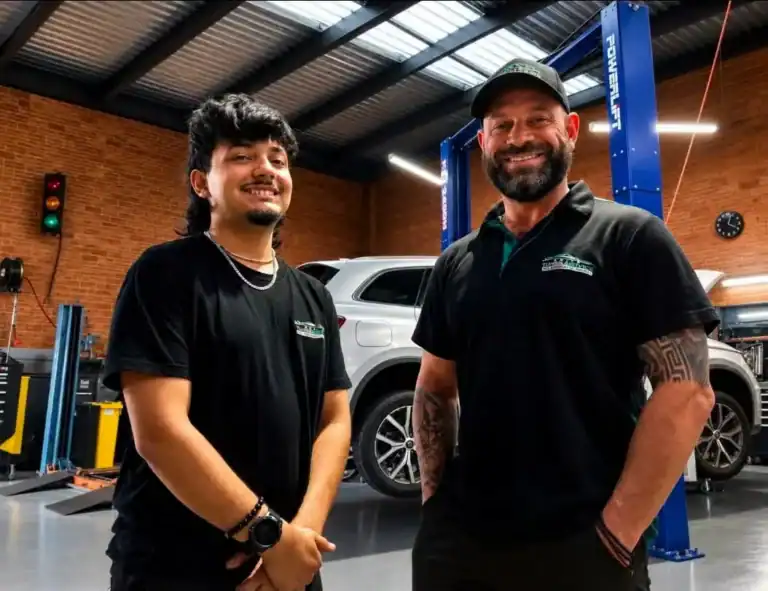
We've been looking after cars in Kirrawee and the Sutherland Shire for over 18 years. Owner-operated, honest to the core, and equipped to handle European and Japanese vehicles properly.

30+ Years of Hands-On Experience

Deep experience across European and Japanese makes means faster, more accurate diagnosis.

Honest Pricing, No Surprises

Bring your vehicle in and we’ll assess it and explain exactly what’s needed.

Jeep-Specific Brake Expertise

We service Jeep braking systems with specialist knowledge and proper diagnostic tools.

How Jeep Brake Repair Works

From booking to safe brakes on the road, here's your Jeep brake service journey start to finish.

Step 1

Book Your Free Inspection

Book your free inspection to diagnose any brake wear, damage, or performance issues with your Jeep.

Step 2

Jeep Brake System Inspection

We measure pad thickness, rotor condition, and brake fluid health using tools specific to Jeep.

Step 3

Precision Brake Repair

We replace pads, rotors, or fluid as needed using quality parts matched to your Jeep's specs.

Step 4

Safety Test & Collection

We test-drive your Jeep, verify braking performance, walk you through the work, and send you back.

What Our Customers Say

5.0 (Verified Reviews)

Quality Parts From Trusted Suppliers

We source parts from reputable suppliers to keep your vehicle running reliably. Quality components, fitted right the first time.

Book Your Free Inspection

Fill in the form and we'll be in touch to confirm your booking.

Booking Form
  • Vehicle Details
  • Confirm Vehicle
  • Services
  • Contact Details
No Upselling
Fair, Clear Pricing
Local & Experienced

Why Book With Us

Book Your Free Inspection
Drop Off Your Car
We Get to Work
Back on the Road

Got Questions? We Have Answers

Browse the answers below to find what you need. If your question isn't listed, give us a call and we'll sort it out.

A full brake service includes inspection of pads, rotors, callipers, brake fluid, and hoses. We measure pad thickness and rotor wear, test brake responsiveness, and top up or flush fluid as needed. If pads are worn or rotors damaged, we replace them. You’ll get a detailed report showing what we found and what was done, so you know exactly where your brakes stand.

Most Jeeps need brake inspection every 12 months or 15,000 kilometres, whichever comes first. Pad wear depends on your driving style and conditions. Aggressive braking or frequent towing wears pads faster. We check your brakes at every service and let you know if replacement is needed soon, so you’re never caught out.

Squealing or grinding noises, a soft or spongy pedal, longer stopping distances, or a brake warning light on your dash all signal problems. A pulsing sensation under braking can indicate warped rotors. Don’t ignore these signs. Brake issues affect your safety and your passengers’. If you notice any of these, bring your Jeep in soon for a proper inspection.

A standard inspection and pad replacement typically takes 1 to 2 hours. If rotors need machining or replacement, or if brake fluid requires flushing, it may take longer. We’ll give you a realistic timeframe after we’ve inspected your vehicle. Many customers in Kirrawee drop their vehicle off and collect it the same day, though we always confirm turnaround before you leave.

Yes. Australian consumer law under ACCC guidance generally allows you to have your vehicle serviced by qualified independent mechanics without voiding your manufacturer warranty, provided the work is done to the manufacturer’s specifications using genuine or OEM-equivalent parts. We use proper diagnostic tools and source parts that meet Jeep standards. We recommend checking your warranty documents for any specific terms, but independent servicing by us doesn’t typically affect coverage.

Genuine Jeep pads are engineered to Jeep’s friction and wear specifications. Aftermarket pads vary in quality and may cause noise, uneven wear, or reduced performance. We supply OEM-equivalent pads that match Jeep standards and your vehicle’s design, ensuring consistent braking feel and longevity. The investment in proper pads protects your rotors and gives you the safety your Jeep was built for.

Brake fluid absorbs moisture over time, which lowers its boiling point and reduces braking performance. Old fluid can also corrode internal brake components. Flushing replaces old fluid with fresh fluid, restoring safety and preventing damage. Most manufacturers recommend flushing every 2 years or 30,000 kilometres. If you’re unsure when yours was last done, we can check during your service.

Jeeps, particularly older and off-road models, can experience faster brake pad wear due to heavier weight and rugged driving. Some Jeep owners report brake dust accumulation and occasional issues with brake line corrosion in harsh conditions. Regular servicing and inspections help catch these early. Our experience with Jeep brake systems means we know what to watch for and can advise on preventive maintenance specific to your model.

A soft pedal usually indicates air in the brake lines or low brake fluid. Air compresses under pressure, reducing pedal firmness. This can happen after maintenance or if seals are worn. Low fluid may signal a leak somewhere in the system. Both issues need urgent attention, as they compromise braking safety. We’ll bleed the system to remove air and trace any leaks, then top up or flush fluid as required.

Minor surface marks are normal as pads grip the rotor. Heavy grooves or scoring indicate advanced pad wear or debris caught between pad and rotor. Deep scoring can reduce rotor lifespan and affect braking performance. We measure rotor thickness and assess damage during inspection. If grooves are minor, we may resurface the rotor. Severe damage requires replacement. Regular pad replacement before wear becomes severe protects your rotors.

Continue to site