30+ Years Experience
Honest, Clear Pricing
5.0★ Rating
All Makes & Models

5.0 (Verified Reviews)

Expert Suzuki Brake Service In Kirrawee

We service Suzuki brakes in Kirrawee with thorough inspection and genuine parts. Safe, reliable brakes protect your family on every drive. Book your free inspection.

Expert Diagnostics

Honest Advice

5.0★ Rating

Suzuki Brake Diagnostics

Book Your Free Inspection

Fill in the form and we'll be in touch to confirm your booking.

Booking Form
  • Vehicle Details
  • Confirm Vehicle
  • Services
  • Contact Details
No Upselling
Fair, Clear Pricing
Local & Experienced

Why Book With Us

Book Your Free Inspection
Drop Off Your Car
We Get to Work
Back on the Road

Suzuki brake service is one of the most critical maintenance tasks you can keep up with. Your brakes are the only system between you and a collision, so they deserve proper attention and regular inspection. Whether you’re driving a Vitara through Kirrawee traffic, a Swift around suburban streets, or a Jimny on weekend tracks, Suzuki brakes need to be checked and serviced by someone who understands how your vehicle is built and what warning signs matter.

When Do You Need Suzuki Brake Service?

Brake wear patterns and service intervals vary depending on your driving style, local road conditions, and the specific Suzuki model you own. Suzuki’s logbook servicing schedule recommends brake inspection at regular intervals, typically every 15,000 to 20,000 kilometres or annually, whichever comes first. Many Suzuki owners in Kirrawee notice their brake pads wear faster in hilly areas or with frequent city driving, so don’t assume your next service date is far away.

Real warning signs that your Suzuki needs brake service include:

  • Brake warning light on the dashboard (low pad material, fluid level, or system fault)
  • Squealing, grinding, or metallic noise when braking
  • Soft or spongy brake pedal that feels less responsive than usual
  • Brake pedal sinking lower than normal before resistance kicks in
  • Visible brake dust buildup on wheels or pads visibly thin through wheel spokes
  • Steering wheel or vehicle pulling to one side when you brake
  • Longer stopping distance or a feeling that brakes aren’t as sharp as they used to be

Don’t ignore these signs. Brake failure on a busy road is dangerous and preventable. If you notice any of these symptoms, bring your Suzuki in for inspection before the problem gets worse.

What Happens During a Suzuki Brake Service

Our approach to Suzuki brake service goes beyond just replacing pads. We start with a full diagnostic inspection of your entire brake system, using diagnostic equipment that reads Suzuki-specific fault codes and sensor data. This tells us exactly what’s happening inside your ABS module, brake pressure distribution, and electronic brake control systems. Many Suzuki models include electronic brake force distribution and stability control, and we test these systems as part of the service to make sure they’re functioning correctly.

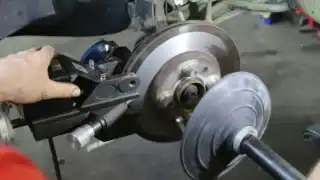
The inspection covers brake pads on all wheels, rotor condition and thickness, brake fluid quality and level, brake hoses for wear or leaks, and the brake master cylinder. If your Suzuki has rear drum brakes (common on some Swift and Cultus models), we inspect shoe wear, drum condition, and wheel cylinder function. We also check parking brake adjustment and cable condition.

During service, we measure your rotors and pads against Suzuki’s OEM specifications. If rotors are still within tolerance and wear is even, we resurface them to restore a smooth braking surface. If they’re beyond safe limits or showing uneven wear, we replace them with genuine Suzuki parts or quality equivalent components matched to your vehicle’s engineering standards. We flush and replace brake fluid according to Suzuki’s interval (typically every two years, regardless of mileage) to remove moisture and contaminants that degrade braking performance over time.

All work is done with your Suzuki on a hoist so we can see every component clearly. We never hide what we find or recommend work you don’t actually need. If your brakes are safe for another few thousand kilometres, we’ll tell you that.

What Affects Brake Service Cost and Time for Your Suzuki

Several factors influence how long your brake service takes and what it costs. The Suzuki model itself matters; a Vitara has larger brake systems and more wheels to service than a Swift, so labour time is longer. Whether you need pad replacement only or also rotor replacement, brake fluid flush, or repairs to calipers or wheel cylinders changes the scope significantly. Rotor condition is the big variable. If they’re within tolerance and we can resurface them, the service is quicker and less expensive. If rotors need replacement, labour and parts costs increase.

Parts availability is rarely an issue with Suzuki brakes, as most components are stock items we keep on hand or can source quickly. We use genuine Suzuki parts where they’re the best choice for your vehicle, and quality equivalent parts where they match OEM specifications and offer better value without compromising safety. We’re transparent about which parts we’re fitting and why, so you understand exactly what you’re paying for.

Appointment availability during peak times can mean a week’s wait, but we prioritise brake work when safety is involved. If you need urgent brake service, contact us and we’ll fit you in where we can.

Why Shire Tune & Service for Your Suzuki Brakes

We’ve been servicing Japanese vehicles in Kirrawee for over 18 years, and Suzukis are part of our core expertise. Our team knows Suzuki brake architecture inside and out, from the entry-level Swift to the Jimny’s off-road-rated braking system. We have the diagnostic equipment to read and clear Suzuki-specific codes, and we understand which fault messages mean immediate safety concern and which are sensor anomalies that need investigation rather than panic.

Honest advice is our standard. We inspect your brakes thoroughly and tell you what we find without pressure to upsell unnecessary work. Over 30 years of hands-on experience means we’ve seen brake wear patterns across hundreds of vehicles, so we can give you realistic guidance about how long your current pads will last and whether your rotors really need replacing now or can wait.

Fair, transparent pricing means no surprise charges. We quote labour and parts upfront, and we stick to that quote. We source genuine Suzuki parts or quality equivalents at competitive rates, and we never hide costs in small print. Your Suzuki brake service is covered by Australian consumer law protections, and our work doesn’t affect your manufacturer warranty.

Book Your Suzuki Brake Service in Kirrawee Today

Bring your Suzuki in as soon as you notice brake symptoms or when your logbook recommends service. Call Us Today or Book Your Free Inspection online. We’ll get your brakes sorted quickly and safely, so you can drive with confidence.

Other Services

Whatever your needs we have you covered, see some similar services below or click "See All Services" to explore our full service offering.

Your Trusted Local Mechanic in Kirrawee

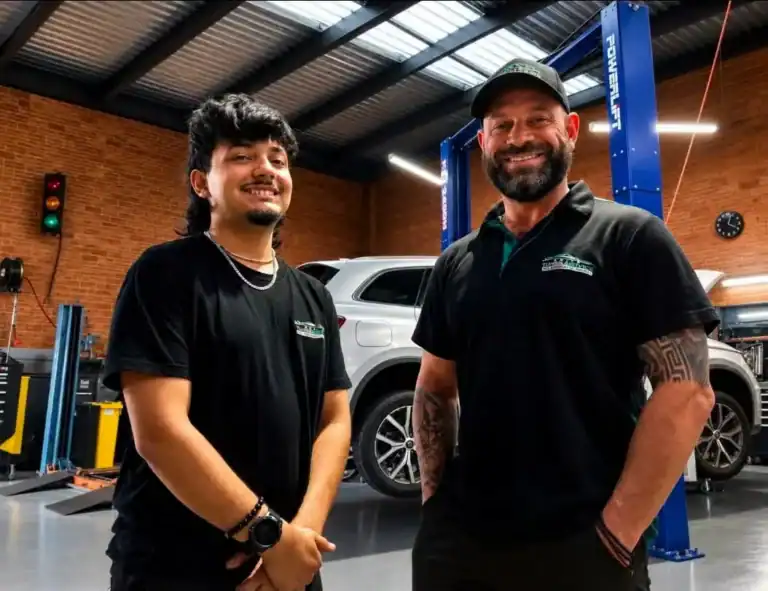
We've been looking after cars in Kirrawee and the Sutherland Shire for over 18 years. Owner-operated, honest to the core, and equipped to handle European and Japanese vehicles properly.

30+ Years of Hands-On Experience

Deep experience across European and Japanese makes means faster, more accurate diagnosis.

Honest Pricing, No Surprises

Bring your vehicle in and we’ll assess it and explain exactly what’s needed.

Suzuki Brake System Warranty

All brake work backed by warranty that protects your Suzuki’s manufacturer coverage.

How Suzuki Brake Service Works

From your free inspection through to safe brakes ready to drive, here's what happens at each stage.

Step 1

Book Your Free Inspection

Book your free inspection to diagnose brake issues and get a clear picture of what's needed.

Step 2

Suzuki Brake System Inspection

We measure pad thickness, rotor condition, and fluid quality using Suzuki-compatible diagnostic tools.

Step 3

Precision Brake Repair

We replace pads, rotors, or fluid as needed using quality parts and Suzuki-spec procedures.

Step 4

Safety Check & Collection

We test your brakes on the road, confirm everything works smoothly, and you drive away confident.

What Our Customers Say

5.0 (Verified Reviews)

Quality Parts From Trusted Suppliers

We source parts from reputable suppliers to keep your vehicle running reliably. Quality components, fitted right the first time.

Book Your Free Inspection

Fill in the form and we'll be in touch to confirm your booking.

Booking Form
  • Vehicle Details
  • Confirm Vehicle
  • Services
  • Contact Details
No Upselling
Fair, Clear Pricing
Local & Experienced

Why Book With Us

Book Your Free Inspection
Drop Off Your Car
We Get to Work
Back on the Road

Got Questions? We Have Answers

Browse the answers below to find what you need. If your question isn't listed, give us a call and we'll sort it out.

A Suzuki brake service includes inspection of brake pads, rotors, and brake fluid condition, then replacement of worn pads and rotors as needed. We check brake lines and hoses for leaks or damage, test brake responsiveness, and top up or flush brake fluid depending on age and contamination. Our technicians use diagnostic equipment to identify any issues specific to your Suzuki’s braking system before recommending work.

Brake wear depends on driving habits and conditions. Most Suzuki vehicles need brake pad inspection every 12 months or 15,000 km, whichever comes first. Rotors typically last longer but should be checked at each service. If you notice squealing, grinding, or a soft brake pedal before your scheduled service, bring your car in sooner. We’ll inspect your brakes at every minor service visit at no extra cost.

Common warning signs include a squealing or grinding noise when braking, a soft or spongy brake pedal, or the brake warning light illuminating on your dashboard. You might also notice vibration through the steering wheel or brake pedal when stopping, or a longer stopping distance than usual. Any of these symptoms warrant a professional inspection as soon as possible. Faulty brakes are a safety issue and should not be ignored.

A standard brake service with pad and rotor replacement typically takes 1 to 2 hours, depending on how accessible your Suzuki’s brake components are and whether any complications arise during inspection. A brake fluid flush takes an additional 30 minutes to an hour. We’ll give you a time estimate once we’ve inspected your vehicle. For customers in Kirrawee, we’ll keep you updated on progress and let you know if the work takes longer than expected.

Under ACCC guidance, Australian consumer law generally allows vehicle owners to have their cars serviced by qualified independent mechanics without affecting manufacturer warranty protection, provided the work is carried out to the required standard. This is general information, not legal advice. We recommend checking your specific warranty documentation or contacting your Suzuki dealer if you have concerns about your particular vehicle. We use quality parts and follow service standards that protect your warranty.

Suzuki vehicles generally have reliable braking systems, but we do see premature rotor wear on some models driven frequently in stop-start city conditions or on steep terrain. Brake fluid degradation can also occur faster in humid climates. We’re familiar with Suzuki-specific brake component design and can spot these patterns early. Our diagnostic equipment allows us to measure rotor thickness and brake fluid quality precisely, catching wear before it becomes unsafe.

Yes, we stamp logbooks for all vehicles, including Suzukis. Our technicians record all work completed, parts fitted, and service dates in your logbook to maintain your service history. This supports your resale value and provides a clear record for warranty claims or future servicing. Bring your logbook with you, and we’ll ensure it’s up to date before you leave.

Delaying brake service once symptoms appear puts you and your passengers at serious risk. Worn brake pads damage rotors, increasing repair costs significantly. A failing brake system can lead to complete brake failure, leaving you unable to stop safely. Brake safety cannot be compromised. If you notice any warning signs like noise, soft pedal, or warning lights, arrange an inspection immediately. This is not a service to postpone.

Brake pad replacement is a standalone job that addresses worn pads only. A full brake service inspects and services all brake components including pads, rotors, brake fluid, hoses, and lines. A full service identifies problems before they become critical, whereas pad replacement alone may miss rotor damage or fluid contamination. We recommend a full Suzuki brake service rather than pads alone to catch hidden wear early and avoid costlier repairs down the track.

The cost of brake service varies depending on which components need replacement, your Suzuki model, and whether additional work like fluid flushing is required. Pad replacement costs less than a service involving new rotors and fluid work. We provide a detailed quote after inspecting your vehicle so you know exactly what’s needed and what it will cost. There are no surprises, and we’ll discuss options if repair costs exceed your budget.

We use quality parts that meet or exceed Suzuki specifications for brake work. We stock both genuine Suzuki components and OEM-equivalent parts from trusted suppliers. Genuine parts are available if you prefer them, though quality aftermarket alternatives often deliver the same performance at better value. We’ll discuss options with you during your inspection so you can choose what suits your needs and budget. All parts come with warranty coverage.

Your brake warning light indicates a potential issue with your braking system and requires immediate attention. Causes range from low brake fluid to brake pad wear or air in the brake lines. Do not ignore this warning. Drive carefully to a mechanic as soon as possible for a diagnostic inspection. Continuing to drive with the warning light on risks brake failure. Call us today to book an inspection, and we’ll identify the cause and advise on the best way forward.

Continue to site