
30+ Years Experience
Honest, Clear Pricing
5.0★ Rating
All Makes & Models

5.0 (Verified Reviews)

Trusted Kia Brake Service In Kirrawee

Kia brake service in Kirrawee with thorough safety inspection. We identify wear and recommend genuine parts before you decide what's needed.

Expert Diagnostics

Honest Advice

5.0★ Rating

Kia Brake Diagnostics

Book Your Free Inspection

Fill in the form and we'll be in touch to confirm your booking.

Booking Form
  • Vehicle Details
  • Confirm Vehicle
  • Services
  • Contact Details
No Upselling
Fair, Clear Pricing
Local & Experienced

Why Book With Us

Book Your Free Inspection
Drop Off Your Car
We Get to Work
Back on the Road

Your Kia’s braking system is one of the most critical safety features on the vehicle. A Kia brake service involves inspecting, maintaining, and replacing brake components to keep your car stopping safely and predictably. Whether you’re noticing a soft pedal, unusual noises, or it’s simply time for scheduled maintenance, understanding what happens during a Kia brake service helps you make an informed decision about your vehicle’s safety. If you’re in Kirrawee or the surrounding Sutherland Shire, our team specialises in Kia brake diagnostics and repairs tailored to your model’s specific engineering.

When Do You Need a Kia Brake Service?

Kia brake systems are engineered for durability, but wear is inevitable. Brake pads gradually thin as they grip the rotor hundreds of times each journey, and other components age alongside them. Watch for these common warning signs that your Kia needs brake attention:

  • Soft or spongy brake pedal that requires longer stops
  • High-pitched squealing or grinding sounds when braking
  • Brake warning light illuminated on the dashboard
  • Visible brake fluid leaks or darkened fluid in the reservoir
  • Brake pedal pulsing or vibration during braking
  • Vehicle pulling to one side when you apply the brakes
  • Loss of braking response in wet weather

Many Kia owners also bring their vehicles in for routine brake inspection during major services. Kia’s service schedule recommends regular brake checks, particularly as vehicles approach higher mileage. Driving conditions around Kirrawee and the coastal Shire, with varied terrain and mixed urban-coastal routes, can place different demands on brake systems compared to highway driving, so periodic inspections catch issues early.

What Happens During a Kia Brake Service

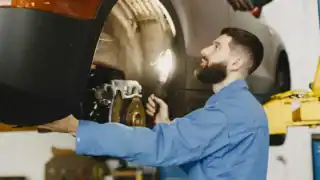
A thorough Kia brake service starts with a complete diagnostic inspection. We lift the vehicle safely and remove wheels to visually assess every brake component. This includes measuring brake pad thickness, examining rotor condition for scoring or warping, inspecting brake lines for corrosion or leaks, and checking brake fluid colour and level. For Kia vehicles, we follow the manufacturer’s inspection protocol to identify wear patterns specific to your model’s design.

Kia brake systems vary slightly across the range. Smaller models like the Picanto use a lighter-duty design suited to city driving, while the Sorento and Stinger employ larger, more robust setups. We know these differences and tailor our inspection accordingly. Our diagnostic equipment allows us to read brake system fault codes, which is especially important for Kia models with electronic brake distribution or stability control integration.

What We Check and Replace

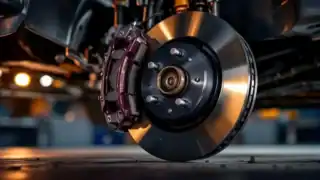
If brake pads have worn to their minimum safe thickness (typically 3mm or less), we’ll replace them with Kia-specification pads or genuine-equivalent parts that match OEM performance. We don’t mix pad qualities or use undersized components. Brake rotors may also need replacement if they’re scored, warped, or undersized from previous grinding. Worn rotor surfaces reduce braking efficiency and can damage new pads prematurely, so we address both components together when needed.

We also inspect and top up or flush brake fluid depending on its condition. Brake fluid absorbs moisture over time, which lowers its boiling point and can lead to brake fade under heavy braking. For Kia vehicles, we use the correct DOT rating fluid specified in your owner’s handbook. Brake hoses, callipers, and wheel cylinders are checked for leaks, corrosion, and free movement. If any component is damaged or sticky, it gets replaced to restore full stopping power.

How Long Does a Kia Brake Service Take?

A basic brake inspection typically takes 30 to 60 minutes, depending on vehicle access and whether we identify issues requiring immediate attention. If brake pads and rotors need replacement on all four wheels, expect 90 minutes to 2 hours. More involved work such as brake fluid flushing, brake line repair, or calliper replacement can extend the timeline. We’ll always explain what we’ve found and what’s needed before we start work, so there are no surprises.

Parts availability rarely delays Kia brake work. Genuine Kia brake components are readily stocked or available quickly, and quality aftermarket alternatives exist for most models. Our location in Kirrawee means we can source parts same-day in most cases, minimising your vehicle’s downtime. We’ll discuss options with you upfront, whether you prefer genuine Kia parts or a quality equivalent, and what the cost difference means in real terms.

Kia Brake Service Cost and Parts

The cost of a Kia brake service depends on several factors. Brake pad quality and type affect pricing; premium or performance pads cost more than budget alternatives but may last longer. Rotor condition is another variable; if rotors are within safe limits, they can be cleaned and reused, keeping costs lower. If they need replacement, you’ll pay for both parts and labour. Brake fluid flushing and any calliper or hose work will increase the total.

We price brake work fairly and transparently. You’ll receive a detailed quote before authorisation, with no hidden charges or pressure to upgrade unnecessarily. Our 30+ years of hands-on experience means we don’t recommend work your Kia doesn’t actually need. We’ll explain what’s essential for safety and what’s optional, leaving the decision entirely to you.

Why Choose Shire Tune & Service for Your Kia Brake Service

We’ve been servicing Kia vehicles across the Sutherland Shire for over 18 years. Our team knows Kia’s engineering, common wear patterns for this region, and exactly how to diagnose and repair brake issues specific to each model. We use up-to-date diagnostic tools that read Kia’s brake system codes, allowing us to pinpoint electronic faults that older equipment would miss.

We specialise in European and Japanese vehicles, and Kia’s Korean engineering benefits from the same precision-focused approach. We use genuine or OEM-equivalent brake components that maintain your warranty and ensure your Kia stops as designed. Our work is guaranteed, our advice is honest, and our pricing is fair. You won’t be upsold or pressured into unnecessary work. We treat your Kia like it’s our own.

Book Your Kia Brake Service in Kirrawee Today

If you’ve noticed changes in your Kia’s braking feel, heard unusual noises, or it’s simply time for a routine inspection, don’t delay. Safe brakes are not negotiable. Book Your Free Inspection with us online, or Call Us Today to discuss your Kia’s needs and find a time that suits you.
Other Services

Whatever your needs we have you covered, see some similar services below or click "See All Services" to explore our full service offering.

Your Trusted Local Mechanic in Kirrawee

We've been looking after cars in Kirrawee and the Sutherland Shire for over 18 years. Owner-operated, honest to the core, and equipped to handle European and Japanese vehicles properly.

30+ Years of Hands-On Experience

Deep experience across European and Japanese makes means faster, more accurate diagnosis.

Honest Pricing, No Surprises

Bring your vehicle in and we’ll assess it and explain exactly what’s needed.

Kia Brake System Warranty

All brake work is backed by warranty to protect your Kia and your investment.

How Kia Brake Service Works

Your Kia brake service from booking through road-ready completion, handled with precision and care.

Step 1

Book Your Free Inspection

Book your free inspection to assess your Kia's brake condition and identify any repair needs.

Step 2

Kia Brake System Inspection

We measure pad thickness, inspect rotors and calipers, and test brake response using Kia-specific procedures.

Step 3

Precision Brake Repair

We fit quality pads, resurface or replace rotors, service calipers, and bleed to Kia specifications.

Step 4

Safety Check & Collection

We test your brakes on the road, review completed work with you, and return your Kia ready to drive.

What Our Customers Say

5.0 (Verified Reviews)

Quality Parts From Trusted Suppliers

We source parts from reputable suppliers to keep your vehicle running reliably. Quality components, fitted right the first time.

Book Your Free Inspection

Fill in the form and we'll be in touch to confirm your booking.

Booking Form
  • Vehicle Details
  • Confirm Vehicle
  • Services
  • Contact Details
No Upselling
Fair, Clear Pricing
Local & Experienced

Why Book With Us

Book Your Free Inspection
Drop Off Your Car
We Get to Work
Back on the Road

Got Questions? We Have Answers

Browse the answers below to find what you need. If your question isn't listed, give us a call and we'll sort it out.

A standard Kia brake service usually takes 1-2 hours, depending on what’s needed. If we’re just replacing pads and doing a fluid top-up, you’re looking at the shorter end. If rotors need resurfacing or the system needs a full fluid change, it can take a bit longer. We’ll give you a clear timeframe when you book so you know what to expect.

Listen for squealing or grinding sounds, or feel for a soft, spongy brake pedal that sinks lower than usual. If your brake warning light comes on, get it checked straight away. Vibration when braking, pulling to one side, or a burning smell also signal problems. Don’t ignore these signs. Brake safety affects you and everyone on the road, so have any concerns inspected promptly by a qualified technician.

No. Under Australian Consumer Law, ACCC guidance generally supports the right to have your vehicle serviced by qualified independent mechanics without affecting your manufacturer warranty. This applies to Kias as well. What matters is that the work meets the manufacturer’s specifications and genuine parts are used where required. We use quality parts and follow Kia service standards. For your specific warranty terms, check your paperwork or contact your dealer directly.

We inspect your brake pads, rotors, fluid condition, and hoses for wear or damage. We’ll clean the brake components, replace pads if needed, and top up or change the brake fluid depending on its age and condition. If rotors are worn or damaged, we’ll replace them. You’ll get a detailed report of what we found and what was done before you leave.

Brake pad life varies based on your driving style and road conditions. Most Kias need pads replaced every 40,000 to 70,000 kilometres, though some last longer. Brake fluid should be checked annually and replaced every 2 years to prevent moisture buildup. We’ll advise you based on a full inspection. If you notice any change in brake feel or performance, don’t wait for your scheduled service. Call us to book a check sooner.

Kias generally have reliable brake systems, but we do see premature pad wear on some models, particularly if driving involves a lot of stop-start city traffic or towing. Corrosion on rotors can also occur faster in coastal areas. The good news is these issues are easily managed with regular servicing and quality parts. We’ve been working on Kias for years and know what to look for, so we catch problems early before they become expensive.

Brake fluid absorbs moisture from the air over time, which reduces its effectiveness and can damage brake components from the inside. Even in a sealed system, small amounts of moisture seep in gradually. After 2 years, the fluid’s boiling point drops and it becomes less reliable under hard braking. Replacing it regularly keeps your braking system safe and prevents costly internal corrosion. We’ll check your fluid condition during service and recommend replacement if needed.

Yes, we can use quality aftermarket or genuine parts depending on your needs and budget. For Kia vehicles, we source parts that meet manufacturer specifications and performance standards. Genuine Kia parts offer exact fitment and warranty coverage, while quality aftermarket alternatives often provide good value without compromising safety. We’ll discuss your options and recommend what suits your vehicle best. Whatever we install, it meets Australian safety standards.

No, grinding indicates your brake pads have worn completely and metal is now rubbing on the rotor. This dramatically reduces braking power and damages your rotors, turning a pad replacement into a rotor replacement. Stop driving the vehicle immediately and book a brake inspection. Grinding brakes are a serious safety risk to you and other road users. The longer you delay, the more expensive the repair becomes.

Brake pull usually means one brake caliper is sticking or pads are wearing unevenly, causing uneven pressure across your wheels. It can also indicate a fluid leak or air in the system. During a brake service, we inspect all calipers, clean them, and check fluid lines for leaks. If one side is stuck, we’ll free it up or replace the caliper if needed. This should be checked as soon as you notice it to prevent further damage.

Our service includes a full brake system inspection, pad and rotor assessment, fluid condition check, and hose inspection for cracks or leaks. We clean brake components, replace worn pads, and replace or resurface rotors as needed. Brake fluid is topped up or replaced depending on its age. You receive a detailed inspection report and recommendations. Call Us Today to book your free inspection and we’ll give you a complete overview before any work begins.

We measure rotor thickness and check for scoring, cracking, or warping during your service. If they’re worn below the manufacturer’s minimum thickness or damaged, replacement is necessary. Vibration when braking, longer stopping distances, or grinding noises often indicate rotor problems. Driving on damaged rotors wastes brake pads and reduces stopping power. During inspection, we’ll show you photos of your rotors and explain whether they need machining or replacement.

Continue to site