Brake problems in a Kia need proper diagnosis and repair to keep you and your passengers safe on the road. Whether you’re hearing noises, feeling a soft pedal, or noticing your car pulling to one side during braking, these are signs that warrant a professional inspection. At Shire Tune & Service in Kirrawee, we specialise in Kia brake systems using diagnostic equipment that reads your vehicle’s specific brake fault codes and helps us identify exactly what’s wrong before we start any work. A Kia brake specialist needs more than a visual check; we use manufacturer-specific diagnostics to uncover the root cause and plan the right repair from the start.
Warning Signs Your Kia Needs Brake Attention
Most drivers first notice brake issues through one or more of these symptoms. Listen for squealing or grinding sounds when you apply the brakes — squealing often signals worn brake pads, while grinding suggests metal-on-metal contact and more serious damage. If your brake pedal feels soft, spongy, or travels further than usual before gripping, you may have air in the brake lines or a fluid leak. A pedal that feels hard to press can indicate a failing brake booster, a component specific to how Kia brake systems are designed. Some owners notice their Kia pulling left or right during braking, which suggests uneven pad wear or a sticking caliper.
- Squealing or grinding noises when braking
- Soft, spongy, or low brake pedal
- Hard brake pedal requiring extra pressure
- Vehicle pulling to one side during braking
- Brake warning light on the dashboard
- Vibration or pulsing through the pedal
Never ignore these signs. Brake failure is a safety emergency, and early diagnosis prevents costly damage to rotors and calipers down the track.
How We Diagnose and Service Your Kia Brakes
A Kia brake mechanic needs more than a visual inspection. We start by reading your vehicle’s onboard diagnostic system to pull any stored fault codes. Kia models commonly trigger specific codes like C1234 (wheel speed sensor fault) or C1236 (brake fluid level low) that point us directly to the problem. This saves guesswork and time, and it’s a diagnostic advantage that comes from understanding Kia’s specific electrical architecture.
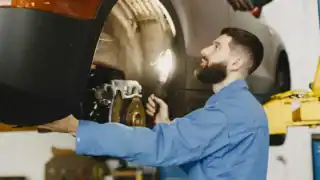
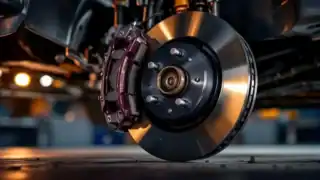
Next, we inspect the brake pads, rotors, calipers, and brake lines physically. We measure rotor thickness and check for scoring or warping. We look at caliper operation to ensure pistons move freely and no fluid is leaking. We test brake fluid condition, as Kia’s brake systems rely on clean, properly specified fluid to function safely. If your vehicle needs wheel removal for a full assessment, we do that.
For Kia models with anti-lock braking (ABS), we test the brake booster and proportioning valve separately. Kia’s anti-lock system is sensitive to fluid condition and air in the lines, so we flush and bleed the system if needed using a pressure-bleed method rather than manual bleeding. This ensures no air remains trapped in the lines, which is especially important for Kia’s ABS sensitivity. We use only fluids that meet Kia’s OEM specification to maintain your vehicle’s safety and warranty protection.
Once we know what needs fixing, we discuss the options with you. Some jobs need genuine Kia brake pads and rotors to meet OEM specifications; others can use quality aftermarket parts that meet the same standard. We’ll be clear about what’s necessary and what’s optional, and we won’t upsell you parts your Kia doesn’t actually need.
What Affects Repair Cost and Time for Kia Brake Work
Brake job complexity and cost depend on several factors specific to your Kia’s condition. If you’ve caught the problem early — squealing pads with minimal rotor wear — a pad replacement and fluid top-up might be all that’s needed. If rotors are scored or warped, they need replacement alongside the pads. Calipers are more expensive if they’re seized or leaking; sometimes we can rebuild them, sometimes replacement is safer and more cost-effective.
Parts availability matters for Kia brake work. Most Kia brake components are readily sourced, especially for popular models like the Cerato, Seltos, and Sportage, so turnaround is usually quick. Less common Kia models may take a day or two longer to source the right parts. Whether you choose genuine Kia parts or quality equivalents also shifts the final cost; we’ll quote both options and let you decide.
Brake fluid condition sometimes requires a full system flush, which adds time but protects your brakes long-term and is often recommended on higher-kilometre Kias. We won’t recommend work you don’t need, and we’ll explain honestly if a repair can wait or if it’s urgent.
Why Kirrawee Kia Owners Choose Shire Tune & Service
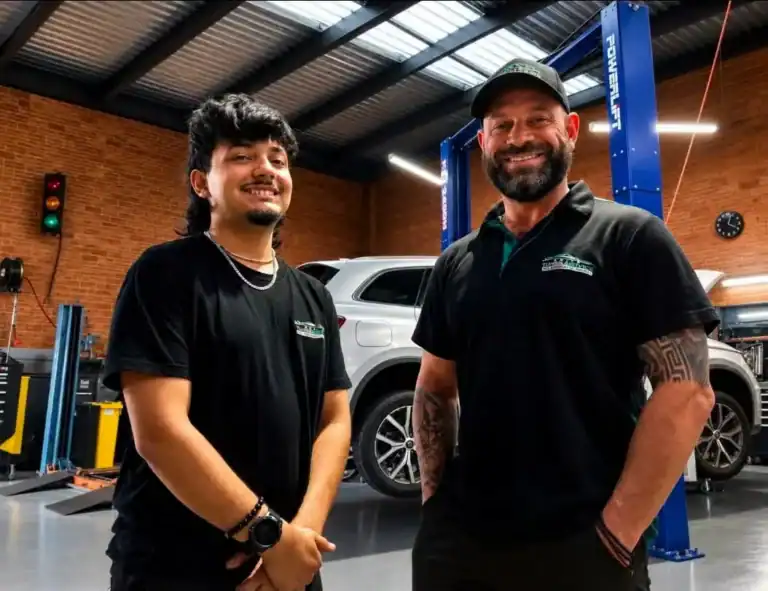
We’ve been servicing Kia and other vehicles locally in Kirrawee for over 18 years. Our diagnostic equipment reads Kia fault codes directly, so we don’t guess at what’s wrong. We have 30 years of hands-on experience between us, and we use that experience to avoid overselling you unnecessary parts or add-ons that don’t benefit your Kia’s safety or longevity.
Your Kia’s warranty is protected when you service it with us. Genuine Kia parts or quality equivalents meet the same specification, and our work is backed by our commitment to your car’s safety and reliability. We’re not a dealership with dealer prices; we’re a local owner-operator offering dealership-level brake diagnostics and repairs at fair, transparent pricing. Every brake repair comes with a thorough inspection and honest advice about what your Kia actually needs.
If your brakes are safe to drive home on while you decide, we’ll tell you. If they need attention today, we’ll explain why and get it done right. That’s how we’ve built trust in the Kirrawee community over nearly two decades.
Get Your Kia Brakes Inspected Today
Don’t wait for brake failure. Call Us Today or Book Your Free Inspection online. We’ll diagnose your Kia’s brakes, explain exactly what’s needed, and quote you a fair price with no surprises. Shire Tune & Service is here in Kirrawee, ready to keep your brakes working safely and reliably.