Toyota brake systems are built to stop reliably day after day, but they’re not maintenance-free. Brake pads wear down, fluid degrades, and rotors can develop issues that affect braking performance and safety. A Toyota brake specialist in Kirrawee will inspect your stopping system thoroughly, identify wear before it becomes dangerous, and keep your Toyota performing as designed. At Shire Tune & Service, we’ve spent over 30 years working on Toyota vehicles across the Sutherland Shire, and we understand how these systems behave in our local conditions and driving patterns.
Warning Signs Your Toyota Needs Brake Inspection
Your Toyota will often give you clear signals that brake work is needed. The most obvious is a brake warning light on your dashboard—don’t ignore it. A grinding or squealing sound when braking, especially in wet weather or after the car has been parked, usually means pads are wearing thin. If the brake pedal feels softer than usual, spongy, or travels further down before the car slows, fluid contamination or air in the system may be the cause. Vibration through the pedal or steering wheel during braking suggests rotor damage or uneven wear.
Some warning signs are subtler. Pulling to one side when you brake indicates uneven pad wear or a caliper issue on one wheel. A burning smell after heavy braking—particularly on downhill drives common around the Shire—means the system is overheating and friction material is breaking down. Even if you don’t notice obvious symptoms, Toyota’s service schedule recommends brake inspections at regular intervals, and many owners find that catching problems early saves money and keeps them safer.
How Toyota Brake Specialist Inspection and Service Works
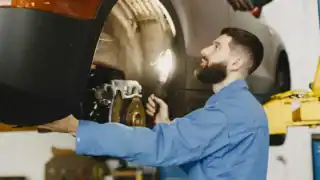
When you bring a Toyota in for brake work, we start with a proper diagnostic inspection. We lift the vehicle, remove the wheels, and visually inspect pad thickness, rotor condition, and brake fluid colour and level. We measure rotor thickness and runout (warping) with precision tools to determine whether rotors can be resurfaced or must be replaced. We check caliper operation, inspect brake lines for cracks or corrosion, and test brake fluid with a moisture meter—Toyota brake fluid absorbs water over time, which reduces stopping power and can cause internal corrosion.
For Toyota vehicles, we follow Toyota’s OEM service specifications. This means using genuine Toyota brake pads or quality equivalents that match Toyota’s friction specifications, maintaining proper fluid types (usually DOT 3 or DOT 4 depending on model year), and following correct replacement procedures. If your Toyota is part of a logbook servicing program, brake inspection results are documented and linked to your manufacturer warranty compliance.
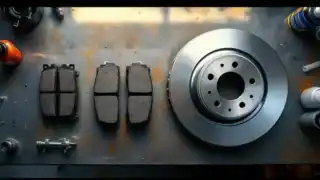
The actual repair depends on what we find. Brake pad replacement is straightforward—we remove old pads, clean the caliper, install new pads, and bed them in properly so they bite evenly. If rotors are worn but serviceable, we machine them flat and to specification. If they’re too thin or damaged, we fit new ones. Fluid flushes remove old, contaminated fluid and replace it with fresh fluid to restore braking feel and safety margins. Caliper rebuilds or replacement address sticking or leaking issues that affect braking balance.
What Affects Brake Service Cost and Timeframe
Brake work varies in cost depending on several factors. Pad replacement alone is a smaller job, usually turnaround the same day or next day. Adding rotor machining or replacement increases the scope and time. Whether you need front, rear, or all-wheel brake work affects overall cost—some Toyotas wear rear pads faster in certain driving conditions, others are front-heavy.
Parts availability plays a role. Genuine Toyota brake components are usually in stock or available quickly through Toyota’s supply chain. If parts need to be ordered, we’ll let you know upfront and discuss options. The vehicle’s condition matters too—if calipers are seized or rusted, extracting and rebuilding them takes longer than straightforward pad replacement. Fluid flushes and system refills add time if air needs to be bled from brake lines.
We keep pricing transparent and fair. We discuss what we’ve found during inspection, explain your options, and give you a clear estimate before we start work. We don’t upsell unnecessary repairs or pressure you into premium parts you don’t need. What you pay reflects honest labour and genuine parts, nothing more.
Why Choose Shire Tune & Service for Toyota Brake Work
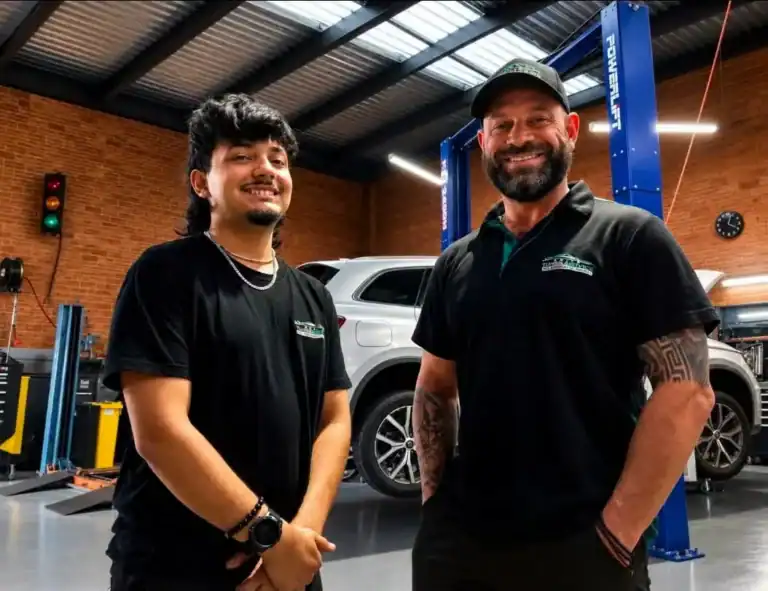
Our workshop has spent 18 years serving Kirrawee and the surrounding Shire, building relationships with local Toyota owners who trust us with their vehicles. We’re not a dealership, which means we focus on fair pricing and honest advice rather than hitting sales targets. We’re not a quick-fit chain either—every Toyota brake job gets proper diagnosis and careful work, not rushed production-line service.
We have the diagnostic equipment and technical knowledge to handle Toyota’s specific brake designs and electronics. Modern Toyotas often include ABS, VSC (vehicle stability control), and brake assist systems that require proper scan tools to diagnose and service correctly. We invest in up-to-date equipment to read Toyota fault codes accurately, avoiding guesswork and unnecessary parts replacement. Our experience with European and Japanese vehicles means we understand how brake systems behave over time and what early warning signs to watch for.
Every brake job protects your Toyota’s manufacturer warranty. We use genuine Toyota parts or equivalent components that meet OEM specifications, and your service is recorded in your logbook. You’re not risking warranty coverage by choosing independent service—you’re choosing quality work at a fair price from someone who knows your car and your local area.
Get Your Toyota Brakes Inspected in Kirrawee
If you’ve noticed warning signs, heard grinding or squealing, or it’s simply time for a brake inspection, Call Us Today or Book Your Free Inspection online. We’ll assess your Toyota’s brake condition, explain what we find, and give you honest advice on what needs doing now and what can wait.