Brake problems don’t announce themselves politely. A soft pedal, a grinding noise, or a warning light on your dashboard means your brakes are telling you something needs attention. If you’re driving a Mazda in the Kirrawee area, finding a Mazda brake specialist who understands your vehicle’s braking system is essential. Brakes are the one system where delay costs more than action. At Shire Tune & Service, we’ve spent over 30 years diagnosing and repairing braking faults across European and Japanese vehicles, including the full range of Mazda models. We use up-to-date diagnostic equipment to identify the root cause of brake issues, not just swap parts and hope the problem disappears.
Common Brake Warning Signs in Mazda Vehicles
Mazda owners often experience brake issues in predictable patterns. Because we’ve worked on thousands of Mazdas across the Sutherland Shire, we recognise the symptoms and know what they usually mean. Early detection saves money and keeps you safe on the road.
- Soft or spongy brake pedal that sinks toward the floor
- Brake warning light on your dashboard (red or amber)
- Squealing or grinding noises when braking
- Brake pedal vibration or pulsing under normal braking
- Longer stopping distances than normal
- Brake fluid leaks under the car or a burning smell after hard braking
- Pull to one side when braking
Any of these warrant a professional inspection. Brake systems on Mazda vehicles vary by model and year, from older CX-5 and 3 models to newer variants with advanced ABS and brake assist features. We inspect the entire system, not just what’s visible.
What a Mazda Brake Specialist Actually Inspects
A proper brake inspection covers far more than pads and rotors. When you bring your Mazda in, we follow a systematic process that leaves nothing to guesswork.
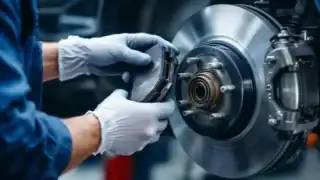
We start with a visual inspection of the pad thickness, rotor condition, and brake fluid level. Then we get on the hoist and examine the entire braking circuit: brake hoses for cracks or bulges, caliper pistons for corrosion, and both front and rear brake assemblies for wear or damage. We test your brake pedal feel and check the balance between front and rear stopping power. For Mazda vehicles with ABS, we run a scan to check for fault codes and confirm the system is functioning correctly. Many modern Mazdas also have brake assist and stability control integrated with the main brake system, and we verify these are working in harmony.
Brake fluid is another critical checkpoint. Over time, brake fluid absorbs moisture from the air, which lowers its boiling point and can lead to brake fade under sustained braking. We measure moisture levels and advise on fluid condition. Mazda’s service schedules typically recommend a fluid check every 12 months and a full fluid change every two years, depending on model.
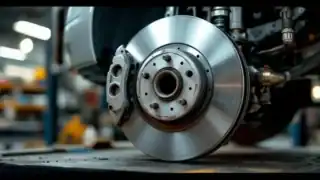
Once we’ve completed the inspection, we explain exactly what we found. If pads are worn, we tell you when they’ll likely need replacement. If rotors are warped or scored, we measure them against Mazda’s specifications and advise whether replacement is necessary. We never pressure you into parts you don’t need, and we’ll tell you honestly if your brakes are safe to drive for another few weeks or months.
Brake Parts and Timing for Your Mazda
How quickly your brake components wear depends on several factors: your driving style, local road conditions, the weight of your Mazda, and whether you’ve had brake work done before. Shire residents tend to experience heavier brake wear on hilly roads and through coastal suburbs with frequent stop-start traffic.
Brake pads typically last 30,000 to 70,000 kilometres depending on your habits. If you drive a Mazda 3 with frequent city driving, you might need new pads sooner than a CX-5 owner on quieter roads. Brake rotors usually last 50,000 to 100,000 kilometres, but if pads wear unevenly or if you’ve ignored warning signs, rotors can be damaged much sooner. Brake drums on older models, calipers, and brake hoses all have variable lifespans.
Cost depends on what needs replacing and whether you choose genuine Mazda parts or equivalent aftermarket alternatives. We stock genuine Mazda brake components and quality equivalents that meet Australian safety standards. Labour time varies: a brake pad replacement might take an hour, while a full brake system rebuild takes longer. We’ll quote you honestly based on what your specific Mazda needs, not a generic estimate.
Why Mazda-Specific Brake Knowledge Matters
Different Mazda models have different brake architectures. A Mazda 2 has a simpler braking system than a CX-9, and newer Mazdas with i-ACTIV all-wheel drive have more complex brake distribution logic. We know these differences. When we service your Mazda’s brakes, we’re not applying a generic brake-shop approach; we understand your model’s specific design, how to diagnose its systems correctly, and which OEM specifications to follow.
Over 18 years of working in the Kirrawee community, we’ve built relationships with Mazda owners who trust us because we deliver honest advice and fair pricing. We use the latest diagnostic equipment to pinpoint brake faults accurately, which means you’re not paying for unnecessary parts or repeat visits. And every brake job we complete protects your manufacturer warranty because we use genuine or approved equivalent parts and follow Mazda’s service schedules.
Book Your Free Inspection for Mazda Brake Service in Kirrawee
If your Mazda’s brakes are showing any of the warning signs above, don’t wait. Brake safety affects everyone on the road. Call Us Today to book your free brake inspection, or use our online booking system to Book Your Free Inspection at a time that suits you. We’ll give you a clear picture of your brakes’ condition and what needs to happen next.