30+ Years Experience
Honest, Clear Pricing
5.0★ Rating
All Makes & Models

5.0 (Verified Reviews)

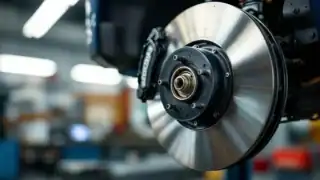
Industry Leading European Vehicles Brake Specialist In Kirrawee

Professional brake servicing for European vehicles in Kirrawee. We inspect, diagnose, and repair with genuine parts and honest advice. Book Your Free Inspection.

Expert Diagnostics

Honest Advice

5.0★ Rating

European Brake Diagnostics

Book Your Free Inspection

Fill in the form and we'll be in touch to confirm your booking.

Booking Form
  • Vehicle Details
  • Confirm Vehicle
  • Services
  • Contact Details
No Upselling
Fair, Clear Pricing
Local & Experienced

Why Book With Us

Book Your Free Inspection
Drop Off Your Car
We Get to Work
Back on the Road

European vehicles are built to exacting standards, and their brake systems demand equally precise servicing. A European Vehicles Brake Specialist understands the specific engineering, materials, and diagnostic requirements that set brands like BMW, Mercedes, Audi, and Volkswagen apart from other manufacturers. Whether you drive a German sedan, French hatchback, or Italian sports car, your brakes deserve mechanics who know your vehicle’s architecture and can access the OEM service data your car was designed around. At Shire Tune & Service in Kirrawee, we’ve spent over 30 years working on European vehicles, and brake servicing remains one of the most critical areas where precision and expertise make the real difference between safe, responsive braking and potential failure.

Warning Signs Your European Vehicle Needs Brake Attention

European vehicles often signal brake issues early, but the symptoms can be subtle or mistaken for normal wear. Listen for what your brakes are telling you:

  • Soft or spongy brake pedal that requires more pressure than usual
  • Brake pedal that sinks gradually when held steady at traffic lights
  • Squealing, grinding, or metallic noise when braking, especially from cold
  • Brake warning light illuminated on your dashboard
  • Vehicle pulling to one side under braking
  • Longer stopping distances or reduced braking confidence
  • Vibration or pulsing through the pedal under normal braking
  • Fluid visible under the car or low brake fluid in the reservoir

Many European vehicles use more sophisticated brake systems than older or budget vehicles. Dual-circuit hydraulic systems, electronic brake distribution, and stability control integration mean that even a single warning sign deserves professional inspection rather than guesswork. We see vehicles every week where owners have ignored these signals, and the result is far costlier than early attention would have been.

How We Diagnose and Service European Vehicle Brakes

A European Vehicles brake specialist doesn’t simply replace pads and hope for the best. We start with a thorough inspection using the diagnostic equipment and technical knowledge your vehicle’s design demands.

Diagnostic scanning: We plug your vehicle into our up-to-date diagnostic tools to read brake system fault codes, pressure readings, and electronic control unit data. European vehicles integrate their brakes tightly with ABS, stability control, and emergency braking systems. A fault in one area shows as a symptom in another. Genuine diagnostics tell us the root cause, not just the surface problem.

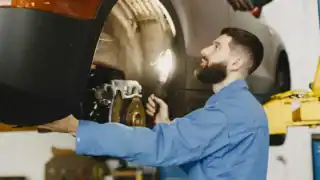
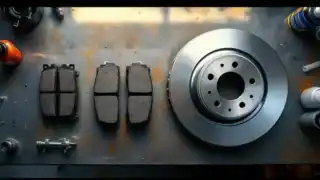
Physical inspection: Our technicians measure brake pad thickness, rotor condition, and fluid condition using calibrated tools. We check for uneven wear, surface scoring, warping, and corrosion. We inspect brake lines for leaks, pinching, or corrosion. We test brake fluid for moisture content and contamination, which directly affects your stopping power and safety.

System testing: We verify brake balance front to rear, check for proper fluid circulation, and ensure electronic components respond as designed. European vehicles often use condition-based servicing schedules rather than fixed intervals, which means we assess your brakes’ actual state rather than simply following a calendar.

Parts and fluid selection: When brake work is needed, we use OEM-equivalent or genuine parts that match your vehicle’s original engineering specifications. European manufacturers specify particular friction materials, rotor metallurgy, and brake fluid standards for good reason. Using incorrect aftermarket parts can compromise braking performance and safety.

What Affects Cost and Timeframe for Brake Service

Several factors shape the scope and cost of European vehicle brake work. Understanding these helps you make informed decisions.

Brake system type: Older European vehicles may use simpler hydraulic systems, while newer models integrate electronic components that require specialist diagnostics. A 2000 Volkswagen Golf and a 2020 BMW 3 Series demand different approaches.

Severity of wear: Simple pad replacement on a vehicle with healthy rotors is straightforward. A vehicle with scored rotors, compromised calipers, or fluid contamination requires more extensive work. Only a proper inspection reveals which category your car falls into.

Parts availability: Genuine OEM parts for European vehicles can take longer to source than universal aftermarket alternatives. We source parts based on what your vehicle actually needs, and we’ll discuss lead times and part options with you upfront so there are no surprises.

Extent of diagnostics: If your vehicle has electronic brake warning lights or ABS faults, diagnostic work may uncover multiple areas needing attention. We explain what we find and discuss priorities so you make informed choices about what to address first.

We price brake work fairly, without the dealer markup, and we never push unnecessary services. If your brakes need pads only, that’s what you’ll pay for. If deeper work is required, we explain why and discuss your options before we start.

Why Kirrawee Vehicle Owners Choose Us for European Brake Servicing

A European Vehicles brake specialist requires hands-on experience across multiple brands, access to the right diagnostic tools, and genuine commitment to honest advice. We tick all three boxes.

We’ve been servicing European vehicles in Kirrawee and across the Sutherland Shire for over 18 years. BMW, Audi, Mercedes, Volkswagen, and French makes are second nature to us. We own the diagnostic equipment needed to read European fault codes and system data, and we keep our knowledge current as vehicle technology evolves. That means your brakes get diagnosed accurately, not guessed at.

Our 30-year track record in automotive repair is built on honest advice and transparent pricing. We don’t upsell or pressure owners into work they don’t need. Families and tradies throughout the Shire trust us because we explain what we find, discuss options, and respect your vehicle and your budget.

When you choose us for brake work, your manufacturer warranty is protected. We use genuine or OEM-equivalent parts, follow factory specifications, and document everything. You get the quality and continuity of a local owner-operator, not the volume mentality of a chain operation.

Call Us Today to discuss your brake concerns, or Book Your Free Inspection online. Our technicians will assess your European vehicle’s brake system, explain what we find in plain terms, and discuss your options. That’s how we’ve earned the trust of Kirrawee and Shire drivers for nearly two decades.
Other Services

Whatever your needs we have you covered, see some similar services below or click "See All Services" to explore our full service offering.

Your Trusted Local Mechanic in Kirrawee

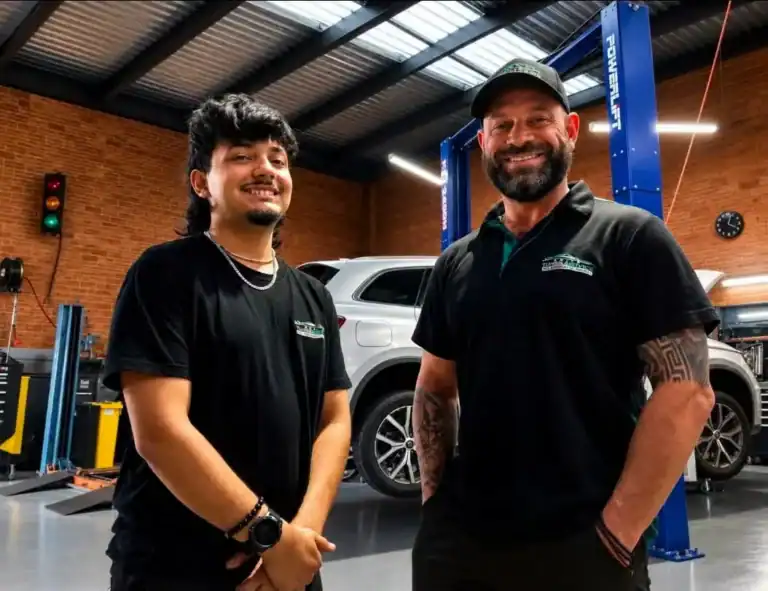
We've been looking after cars in Kirrawee and the Sutherland Shire for over 18 years. Owner-operated, honest to the core, and equipped to handle European and Japanese vehicles properly.

30+ Years of Hands-On Experience

Deep experience across European and Japanese makes means faster, more accurate diagnosis.

Honest Pricing, No Surprises

Bring your vehicle in and we’ll assess it and explain exactly what’s needed.

Thorough Brake System Inspection

We check pads, rotors, fluid, lines and calipers to find problems early.

How European Brake Repair Works

From inspection through to safe collection, we diagnose and fix your European vehicle's braking system professionally.

Step 1

Book Your Free Inspection

Book your free inspection to assess your brake symptoms and determine what repairs are needed.

Step 2

Brake System Inspection

We measure pad thickness, inspect rotors for damage, test brake fluid, and check European components for wear.

Step 3

Precision Brake Repair

We replace worn pads, machine or replace rotors, flush fluid if needed, and fit OEM-equivalent parts.

Step 4

Safety Test & Handover

We test-drive your vehicle to verify safe braking, review the work with you, and send you home.

What Our Customers Say

5.0 (Verified Reviews)

Quality Parts From Trusted Suppliers

We source parts from reputable suppliers to keep your vehicle running reliably. Quality components, fitted right the first time.

Book Your Free Inspection

Fill in the form and we'll be in touch to confirm your booking.

Booking Form
  • Vehicle Details
  • Confirm Vehicle
  • Services
  • Contact Details
No Upselling
Fair, Clear Pricing
Local & Experienced

Why Book With Us

Book Your Free Inspection
Drop Off Your Car
We Get to Work
Back on the Road

Got Questions? We Have Answers

Browse the answers below to find what you need. If your question isn't listed, give us a call and we'll sort it out.

European vehicles have different brake architectures, ABS systems, and electronic brake components than other brands. A specialist understands these systems in detail and has the diagnostic equipment to read European-specific fault codes. We’re experienced with brands like BMW, Mercedes, Audi, and Volkswagen, so we know what to look for and how to fix it properly without guesswork.

Common warning signs include squeaking or squealing sounds, a soft or spongy brake pedal, longer stopping distances, a grinding noise, or vibration when braking. If your brake warning light comes on, that’s a signal to get the system checked. Don’t ignore these signs — brake problems affect your safety and your passengers’ safety. Come in for a free inspection to find out what’s happening.

Under Australian Consumer Law, as guided by the ACCC, you can generally have your vehicle serviced by a qualified independent mechanic without affecting your manufacturer warranty. This applies to brake work as long as genuine or equivalent parts are used and the work meets manufacturer standards. We recommend checking your specific warranty documents or contacting your dealer if you have concerns, but independent servicing at a reputable workshop is a legally supported option.

We inspect the brake pads, rotors, calipers, and brake fluid condition. We test the brake system using diagnostic equipment to check electronic components like ABS sensors. We clean corroded parts, replace worn pads, and resurface or replace rotors if needed. You’ll get a full report before we start work, so you know exactly what’s required and why. Most services take a few hours, depending on what we find.

Brake pads typically last 30,000 to 60,000 kilometres, though this varies with driving style and conditions. We recommend a brake inspection every 12 months or 15,000 kilometres as part of regular maintenance. Brake fluid should be checked annually and replaced every two years to prevent moisture buildup. Early inspection catches worn pads before they damage rotors, which saves you money in the long run.

Pad replacement focuses on swapping worn pads for new ones. A full brake service includes inspecting and cleaning the entire system, checking rotor condition and thickness, testing brake fluid, inspecting hoses and calipers, and replacing parts as needed. A full service gives you a complete picture of your brake system’s health. We’ll advise which one you need after we inspect your car.

We use genuine or OEM-equivalent parts that meet manufacturer specifications. Genuine parts are ideal for warranty protection, but quality equivalent parts perform to the same standard at a lower cost. We discuss options with you upfront so you can choose what suits your budget and priorities. Either way, the work maintains your vehicle’s safety and performance standards.

Ignoring brake warnings risks brake failure, longer stopping distances, and loss of control in an emergency. Brake fluid leaks, worn pads, or faulty ABS sensors all trigger warning lights for a reason. The longer you delay, the more damage can occur to rotors and calipers, which increases repair costs. If your brake light comes on, have it checked within a few days. Brakes are not something to postpone.

European brands use different brake compounds and electronic systems than Japanese or local vehicles. BMWs and Mercedes often experience premium brake dust buildup and sensor sensitivity. Audis sometimes show early brake pad wear due to their weight and performance tuning. We’ve serviced hundreds of European vehicles and know these patterns well. Regular inspections catch wear early and prevent costly repairs.

Brake fluid absorbs moisture from the air over time, which lowers its boiling point and reduces braking performance. Moisture also corrodes internal brake components. We recommend replacing brake fluid every two years regardless of mileage to keep your brake system reliable. This is especially important for European vehicles, which often have more complex brake electronics sensitive to fluid quality.

Continue to site