Brake issues are the reason we see more vehicles roll into our Kirrawee workshop than almost any other repair. An Australian Vehicles brake specialist needs to understand not just the mechanical components but how Australian conditions—salt air, heat, dust, and heavy stop-start city driving—accelerate brake wear in ways that standard manufacturer schedules don’t always account for. When your brakes start to feel soft, squeal, or need longer stopping distances, the problem is real and time-sensitive. We diagnose and repair brake faults across Australian vehicles, from common Holden and Ford models to Japanese imports, using systematic inspection and up-to-date diagnostic equipment to find the root cause and fix it properly the first time.
Warning Signs You Need Brake Inspection in Kirrawee
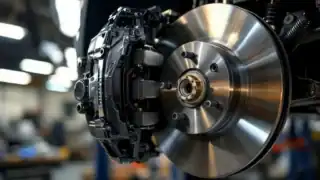
Most brake problems announce themselves clearly if you know what to listen and feel for. The earliest sign is often a high-pitched squeal when you first apply the brakes in the morning or after the car has sat overnight. This is usually your brake pad wear indicators contacting the rotor—a deliberate friction noise designed to tell you the pads are thinning. Ignoring this noise leads to metal-on-metal contact, which damages the rotors and costs significantly more to repair.
Soft or spongy brake pedal feel is another critical warning. If you press the brake pedal and it sinks lower than normal before the brakes engage, air may be trapped in the brake lines, or the brake fluid level could be low due to a leak. Neither condition is safe, and both require professional diagnosis.
- Brake pedal feels soft, spongy, or travels too far before braking
- Brakes squeal or squeak during normal driving or when stopping
- Grinding noise or vibration when braking
- Brake warning light on your dashboard
- Car pulls to one side when you brake
- Longer stopping distance than normal
- Hot or burning smell from the wheels after braking
Grinding is a sign that brake pads are completely worn through and metal is rubbing directly on the rotor. This is dangerous and will cause brake failure if not addressed immediately. Pulling to one side during braking suggests uneven pad wear, a seized brake caliper, or a fault in the hydraulic system. All of these require immediate inspection.
Our Brake Diagnostic and Repair Process
We start every brake concern with a thorough visual and functional inspection. We remove each wheel and examine pad thickness, rotor condition, brake fluid colour and level, hose integrity, and caliper movement. For Australian vehicles with different brake specifications—whether it’s a modern Hyundai with electronic brake assist or an older Holden with simpler hydraulics—we follow the manufacturer’s diagnostic procedures and use test equipment to measure rotor thickness, pad wear, and brake pressure.
If your vehicle has ABS (anti-lock brakes), electronic brake distribution, or hill-start assist, we use diagnostic scanning to read fault codes and pinpoint electrical or sensor faults that won’t show up in a manual check. Many Australian vehicles, particularly newer models, rely on these systems for safe braking, and skipping proper diagnostics can miss critical issues.
Once we’ve identified the fault, we explain exactly what we found and what needs to happen next. Worn pads need replacement. Damaged rotors can often be machined back to size if the wear is even; if not, they must be replaced. Brake fluid that’s brown or black instead of clear needs a complete fluid flush and refill because old fluid absorbs moisture and reduces braking efficiency. Leaking hoses or corroded brake lines are replaced with genuine or OEM-equivalent parts that meet Australian safety standards.
We use genuine or quality-equivalent brake components specified for your vehicle’s make and model. Cheaper aftermarket pads may look the same but can wear faster, squeal, or glaze under heat, especially in Australian summer driving. We source parts that match your vehicle’s original specification, and we warrant the work we do.
What Affects Brake Repair Time and Cost
A simple brake pad replacement on a front-wheel-drive sedan takes a few hours. But if we discover the rotors are warped or scored, or if there’s a hydraulic leak, the job takes longer and costs more. Older vehicles or models with complex caliper assemblies may require longer labour time. The number of brakes that need work also matters—if only the front brakes are worn, it’s cheaper than replacing pads and rotors on all four wheels.
Parts availability depends on the vehicle. Australian-market vehicles like Holden and Ford typically have common parts in stock. Imported vehicles may need to be ordered, which adds a day or two to the repair time. We’ll let you know upfront if parts need to be sourced, and we won’t start work until you’ve agreed to the total cost and timeline.
Whether you choose genuine OEM parts or quality aftermarket alternatives also affects cost. We stock both options and can advise which makes sense for your vehicle and budget. Genuine parts usually cost more but carry manufacturer backing; quality aftermarket parts are cheaper and still reliable if sourced correctly. We won’t upsell you to premium parts you don’t need, but we also won’t fit cheap parts that will need replacing again in six months.
Why Australian Vehicle Owners Trust Shire Tune & Service for Brake Work
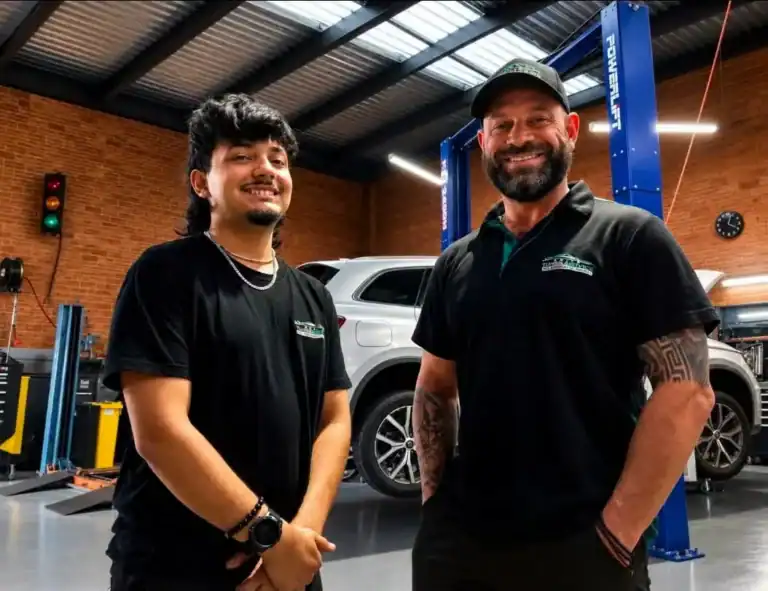
We’ve been servicing Australian vehicles in Kirrawee and across the Sutherland Shire for over 18 years. Our owner has more than 30 years’ hands-on experience with brake systems on everything from everyday Commodores and Falcons to Japanese imports and European vehicles. We own up-to-date diagnostic equipment specifically set up to read Australian vehicle brake systems, and we use it on every job—no guessing, no shortcuts.
Brake safety is non-negotiable. We don’t recommend brake work you don’t need, but when brakes do need repair, we do it right. We test your brakes before you leave and guarantee the work we do. If you’re worried about cost, we’ll walk you through your options and let you make the call—no pressure to upgrade or replace parts that don’t actually need it. That’s the kind of honest advice that keeps families safe on Shire roads.
Book Your Free Inspection Today
If you’re hearing squealing, feeling a soft pedal, or just want to be sure your brakes are safe, call us today or book your free inspection online. We’ll check your brakes properly and tell you exactly what needs to be done. If nothing’s wrong, you’ll have peace of mind. If something is, you’ll know the cost and timeline before any work starts. That’s how we do business in Kirrawee.