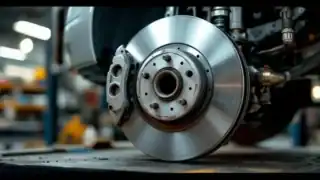
Brake replacement is one of the most important services you can get for your Mazda. Your brakes are what stop your car reliably in an emergency, during daily commuting around Kirrawee, or in heavy traffic on the Princes Highway. When brake pads, rotors, or shoes wear down, your stopping ability drops and the risk of an accident climbs. Mazda brake replacement restores that safety margin and gives you back the confidence that your car will stop when you need it to.
Signs Your Mazda Needs Brake Replacement
Brake wear doesn’t happen all at once, and your Mazda will usually give you warning signs before the brakes fail completely. The most obvious symptom is a squealing or squeaking noise when you apply the brakes, especially in the morning or after the car has been parked overnight. This noise comes from a wear indicator tab built into the brake pads, which is designed to alert you that replacement is due soon.
Beyond noise, watch for these warning signs:
- Longer stopping distances or a soft, spongy brake pedal that sinks toward the floor
- A grinding sound when braking, which means metal is grinding on metal and damage is already occurring
- Brake warning light on your dashboard, often accompanied by low brake fluid
- Vibration or pulsing in the pedal during braking, a sign that rotors are warped
- Visible brake fluid leaks under the car or a burning smell during or after heavy braking
Mazda vehicles, particularly the popular 3, CX-5, and 6 models, tend to wear brake pads at fairly predictable intervals depending on driving habits and road conditions. Commuting through suburban Kirrawee and around the Shire typically means moderate brake wear, but frequent city driving or towing can accelerate wear significantly.
What Happens During Mazda Brake Replacement
A proper Mazda brake replacement starts with a thorough inspection. We lift your car safely, remove the wheels, and examine the current condition of all brake components. This includes checking pad thickness, rotor surface condition, brake fluid health, and the condition of brake hoses and calipers. For Mazda vehicles, we follow the manufacturer’s service schedules and use diagnostic tools to confirm what needs replacement and what can safely remain.
Once we’ve identified what’s worn, the actual replacement work begins. We remove the old brake pads and, if necessary, machine or replace the rotors. The brake calipers are inspected and cleaned, then refitted with fresh brake fluid where needed. If your Mazda has rear brake drums or shoes, we inspect those components too and replace them if wear has reached the limit.
One key detail with Mazda brake replacement is ensuring that we use parts that match the OEM specifications. Mazda designs its braking systems with specific pad compounds, rotor thickness, and fluid types in mind. Using genuinely equivalent parts protects your warranty and ensures your brakes perform exactly as Mazda engineered them to. We source genuine parts or trusted equivalent brands that meet or exceed those specifications, never compromising on quality to save cost.
After replacement, the brakes are bedded in properly. This means we perform controlled test stops to allow the new pads and rotors to reach their optimal friction level. Your Mazda’s brakes need to be fully effective from the moment you drive it off our workshop, not gradually improving over the next few days.
What Affects Brake Replacement Cost and Time for Your Mazda
Several factors influence the cost and timeline of a Mazda brake replacement. The first is which brakes need work. A pad-only replacement (front or rear) is faster and less expensive than a full brake overhaul that includes new rotors, calipers, or fluid lines. Mazda models vary too; a compact 3 typically costs less to service than a larger CX-5 or 6, simply due to component size and access.
The condition of your rotors matters significantly. If they’re still within safe thickness limits and have minimal scoring, machining them is an option that costs less than replacement. If they’re too thin, warped, or heavily scored, they need to be replaced. Brake fluid condition also plays a role; old, contaminated fluid may need flushing and replacement alongside pad and rotor work, adding time and cost but protecting your entire braking system.
Parts availability is rarely an issue for Mazda vehicles, as these are common Japanese imports across Australia and parts are usually in stock or available quickly. The workshop location and current workload can affect turnaround time, but we’ll give you a clear timeline once we’ve inspected your car.
Why Shire Tune & Service Handles Mazda Brake Replacement Carefully
We’ve been servicing Mazda vehicles and other Japanese imports right here in Kirrawee for over 18 years, and we understand the specific needs of these cars. We use up-to-date diagnostic tools to inspect brakes properly, not just by eye. This accuracy means you’re never sold unnecessary work and you’re never left with hidden brake problems. Over 30 years of hands-on experience means we recognise common Mazda brake patterns and can spot early wear before it becomes dangerous.
Fair, transparent pricing is central to how we work. We’ll show you exactly what’s worn, explain why it needs replacement, and give you options if there are choices to make. No upselling, no surprises on the bill. Genuine or equivalent parts, honest advice, and work that protects your Mazda’s warranty are the foundation of every brake replacement we do.
Next Steps for Your Mazda Brakes in Kirrawee
If you’ve noticed any of the warning signs mentioned above, or if your brake warning light is on, don’t delay. Call Us Today to discuss your Mazda’s brakes or Book Your Free Inspection online. We’ll have your brakes sorted quickly and safely, so you can drive with confidence again.