Volkswagen brake replacement is one of the most safety-critical services your car will ever need. When your brakes start to wear down, replacing the pads, rotors, or shoes is not something to put off or ignore. We’ve been servicing Volkswagen vehicles in Kirrawee for over 18 years, and we see brake wear patterns regularly across VW models from the Golf and Jetta through to the Passat and Touareg. The good news is that brake replacement is a straightforward repair when you catch it early, and we’ll walk you through exactly what needs to happen before any work begins.
When Do You Need Volkswagen Brake Replacement?
Your brakes will tell you when they need attention, but you have to listen. Some warning signs are obvious; others are easy to miss if you’re not paying attention to how your car feels and sounds.
- Squealing or high-pitched noise when you brake, especially when the car is cold
- Grinding sounds when applying the brakes, which usually means pads are worn through to the rotor
- A soft or spongy brake pedal that requires more pressure than usual to stop
- Brake warning light on your dashboard, particularly the ABS light on VW models
- Longer stopping distances than normal, or the car pulling to one side when braking
- Vibration or pulsing through the pedal, often a sign of warped rotors
- Visual wear: looking through the wheel and seeing very thin brake pads or rust on the rotor surface
Volkswagens are well-engineered vehicles, and their braking systems are designed to last. However, brake pad wear depends on your driving style, local road conditions, and how often you use the brakes. If you’re commuting around Kirrawee and the Shire regularly, your brakes will experience steady use, and wear will accumulate faster than on a vehicle that spends most time parked.
What We Do During Volkswagen Brake Replacement
A proper Volkswagen brake replacement involves more than just swapping pads. We start with a full inspection of your entire braking system using the same diagnostic approach we apply to European vehicles across the board.
The Inspection
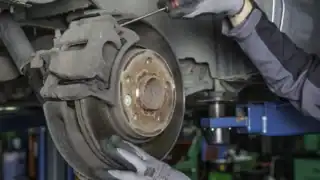
We lift your Volkswagen on a hoist and remove the wheels. From there, we measure brake pad thickness, check rotor surface condition and thickness, inspect brake fluid for contamination or age, examine brake hoses for cracks or leaks, and test the ABS and brake warning systems using our up-to-date diagnostic equipment. Volkswagen models often have electronic brake management systems that need to be understood correctly. We don’t just look; we measure and test.
Parts and Replacement
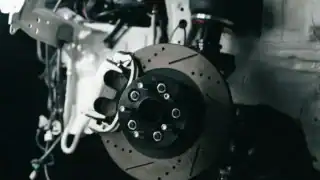
Depending on what we find, your Volkswagen brake replacement might involve brake pads only, or it might require new rotors as well. If the rotor surface is scored, warped, or worn below minimum thickness, it needs to be replaced. We use genuine parts or manufacturer-equivalent components that meet Volkswagen specifications. Your brakes are safety-critical, and we don’t compromise on part quality. The brake fluid system may also need a flush if the fluid has absorbed moisture or shows signs of age, particularly on older VW models where brake fluid hygiene affects ABS performance.
Testing and Adjustment
After replacement, we test your brakes on the road before you drive away. We ensure brake balance front to rear, confirm the pedal feels firm, and verify that warning lights have cleared. If your Volkswagen has electronic parking brake or regenerative braking (common on newer models), we reset and calibrate those systems as part of the job.
What Affects Cost and Repair Time for Brake Replacement in Kirrawee
Brake replacement cost varies depending on which parts need replacing and how accessible they are on your specific VW model. A Golf or Jetta typically has a straightforward brake layout and shorter labour time. A Touareg or Passat might have more complex rotor geometry or brake hardware, which affects both parts cost and labour.
If you need pads only and the rotors are still good, the job is faster and less expensive. If rotors need replacement as well, expect longer repair time and higher parts cost. Genuine Volkswagen-spec brake fluid is also a factor if a flush is recommended. Some vehicles require a scan tool to reset brake warning systems after pad replacement, which is factored into our pricing.
We’re transparent about all of this before we start. You’ll get a clear breakdown of what we found, what needs replacing, and what the work will cost. No surprises, no upselling parts you don’t actually need.
Why Choose Shire Tune & Service for Your Volkswagen Brake Replacement
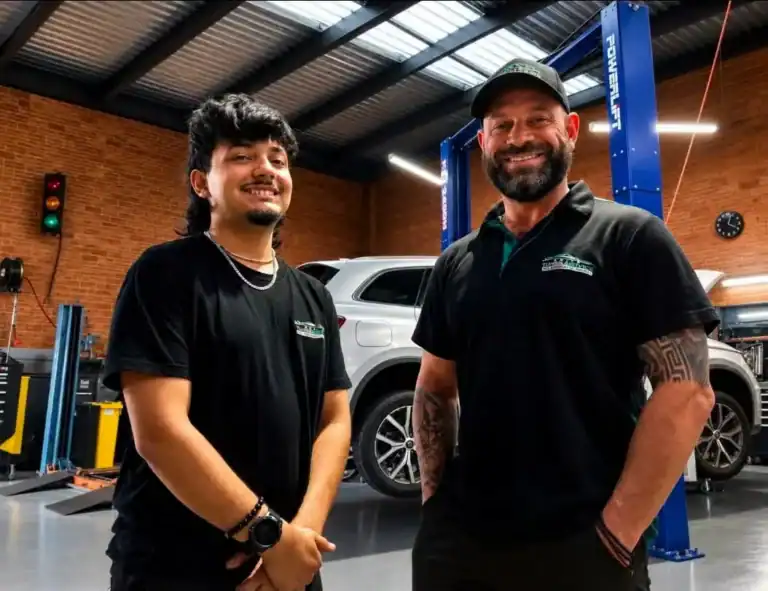
We’re a local, independent workshop in Kirrawee with over 30 years’ hands-on experience and more than 18 years serving the Sutherland Shire. We specialise in European vehicles, including Volkswagen, and we have the diagnostic equipment and expertise to service your car properly.
Because we’re not a dealership, you get honest advice and fair pricing without the upsell pressure you might face elsewhere. We use genuine or equivalent parts that protect your manufacturer warranty, and we document everything so you have proof of the work done. If you’ve had a brake issue on another Volkswagen model before, we’ve likely seen it, and we’ll explain what’s happening in plain language.
We also offer a free 30-point inspection with every minor service, which includes checking your brake system even if brakes aren’t the reason you came in. Early detection of brake wear can save you money and keep you safe.
If you’ve noticed any of the warning signs above or your brakes just don’t feel right, call us today or book your free inspection online. We’ll get your Volkswagen brakes sorted quickly and give you confidence in your car again.