30+ Years Experience
Honest, Clear Pricing
5.0★ Rating
All Makes & Models

5.0 (Verified Reviews)

Affordable Volkswagen Brake Service In Kirrawee

Professional brake service for Volkswagen vehicles in Kirrawee. We inspect, diagnose, and repair your brakes to factory standards with genuine parts and honest advice.

Expert Diagnostics

Honest Advice

5.0★ Rating

VW Brake Diagnostics

Book Your Free Inspection

Fill in the form and we'll be in touch to confirm your booking.

Booking Form
  • Vehicle Details
  • Confirm Vehicle
  • Services
  • Contact Details
No Upselling
Fair, Clear Pricing
Local & Experienced

Why Book With Us

Book Your Free Inspection
Drop Off Your Car
We Get to Work
Back on the Road

Volkswagen brake service is one of the most important maintenance tasks you’ll perform on your VW. Your brakes are what keep you, your passengers, and other road users safe, so getting them inspected and serviced properly matters far more than how much you spend or how quickly the work gets done. At Shire Tune & Service in Kirrawee, we’ve spent over 30 years working on European vehicles, and we see Volkswagen brake systems regularly — everything from everyday Golf and Passat models to performance-tuned variants that demand precision diagnostics and quality parts.

Common Volkswagen Brake Warning Signs

The most obvious sign that your Volkswagen needs brake attention is a warning light on the dashboard. VW models are fitted with sensitive pad-wear sensors that trigger the brake warning light when friction material gets thin, usually well before the pads are metal-to-metal. That’s a good system, but it only works if you act on it. Ignoring it risks damage to your brake discs, which costs far more to repair than replacing pads early.

Other symptoms that point toward brake service include:

  • Soft or spongy brake pedal that sinks when you press it
  • Grinding or squealing sounds when braking, especially in wet conditions
  • Brake pedal that feels lower than usual or requires more pressure to stop
  • Visible brake fluid leaks under the car or around the wheel area
  • Uneven braking, pulling to one side when you apply the brakes
  • Vibration or pulsing through the pedal during braking

Some of these symptoms are immediate safety concerns. A soft pedal or fluid leak should be checked the same day you notice it — do not drive the car long distances or ignore the problem. Grinding noise means your pads are already worn through to the metal backing plate, which damages the rotor and makes the repair much more expensive.

What We Check During a Volkswagen Brake Service in Kirrawee

Our approach to Volkswagen brake service starts with a full diagnostic inspection using equipment that talks to your VW’s onboard systems. Volkswagen models, particularly from the 2000s onward, log brake fault codes that tell us exactly what’s happening — whether it’s a sensor failure, brake fluid condition issue, or actual component wear. We read those codes first, so we know the real story before we even get under the car.

Once we’ve scanned your vehicle, we move to a hands-on inspection that covers:

  • Brake pad thickness front and rear, measured against VW service limits
  • Brake disc condition, including rotor runout and surface finish
  • Brake fluid condition, colour, and moisture content — VW fluid absorbs water over time and loses stopping power
  • Brake hose integrity, checking for cracks, swelling, or leaks
  • Caliper operation and piston movement on all four wheels
  • Brake lines and connections for corrosion or damage

For Volkswagen vehicles with electronic braking systems (common in modern models), we also verify that your ABS module, electronic brake force distribution, and brake assist systems are functioning correctly. A fault in any of these systems can mask itself as a simple pad or fluid issue, so diagnostic accuracy matters.

Brake Service Process and Parts

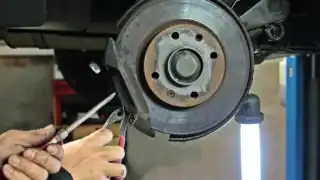
If your pads or fluid need replacing, we’ll explain exactly what’s involved before we start work. Pad replacement is straightforward — we remove the old pads, clean the caliper, fit new genuine or quality equivalent pads, and bed them in properly. Discs usually last longer than pads, but if they’re scored, worn unevenly, or damaged by worn pads, we’ll replace them too. We always match parts to your specific VW model and driving conditions — brake requirements are different for a daily commute than they are for a vehicle regularly towing or driving in heavy traffic.

Brake fluid replacement is equally important. VW service schedules call for fluid changes every two years or 40,000 kilometres, whichever comes first. Old fluid loses its boiling point and becomes less effective at transferring pressure to your wheels. We flush the system completely and refill with fluid that meets or exceeds Volkswagen specifications.

What Affects Cost and Timeframe

Several factors influence the price and duration of your brake service. The condition of your discs makes a real difference — if they’re still good, you’re replacing pads and fluid. If they’re damaged, both need replacement, which increases cost. The model of your VW also matters. Older models with simpler brake systems take less time than newer ones with electronic braking modules that need reset after service. Parts availability can affect the timeline too — genuine Volkswagen parts usually come in quickly in our Kirrawee workshop, but specialist performance pads or imported equivalents sometimes take a few days longer.

We’re transparent about pricing. We’ll show you the inspection findings before you commit to work, explain what needs doing and why, and give you a clear quote for parts and labour. No surprises, no pressure to replace things that don’t actually need replacing.

Why Choose Shire Tune & Service for Your Volkswagen Brake Work

We’ve been servicing European vehicles locally for over 18 years. Our diagnostic equipment is up to date, which means we catch real problems quickly instead of replacing parts based on guesswork. We use genuine Volkswagen parts or quality equivalents that meet OEM specifications — your brake system deserves parts that actually work. We also understand that logbook servicing matters. Proper documentation of your brake service protects your manufacturer warranty and keeps your resale value intact.

We don’t upsell. If your brakes are fine, we’ll tell you. If something needs attention, we’ll explain why, show you the wear measurements, and walk you through your options. That’s the honest advice approach we’ve built this business on.

Get Your Volkswagen Brakes Inspected

If you’ve noticed a brake warning light, heard squealing, or just want confidence in your stopping power, Call Us Today or Book Your Free Inspection online. We’ll get your Volkswagen back to reliable braking quickly, using parts and processes that keep your car safe and your warranty intact.
Other Services

Whatever your needs we have you covered, see some similar services below or click "See All Services" to explore our full service offering.

Your Trusted Local Mechanic in Kirrawee

We've been looking after cars in Kirrawee and the Sutherland Shire for over 18 years. Owner-operated, honest to the core, and equipped to handle European and Japanese vehicles properly.

30+ Years of Hands-On Experience

Deep experience across European and Japanese makes means faster, more accurate diagnosis.

Honest Pricing, No Surprises

Bring your vehicle in and we’ll assess it and explain exactly what’s needed.

Volkswagen Brake Warranty

Every VW brake repair backed by warranty that protects your vehicle’s integrity.

How Volkswagen Brake Service Works

Get your Volkswagen's brakes professionally inspected, repaired, and tested to keep you safe on the road.

Step 1

Book Your Free Inspection

Book your free inspection to assess your Volkswagen's brake condition and identify any safety concerns.

Step 2

Volkswagen Brake System Inspection

We measure pad thickness, rotor wear, and fluid quality using Volkswagen-compatible diagnostic equipment.

Step 3

Precision Brake Repair

We replace worn pads, rotors, or fluid to Volkswagen spec and verify safety before handover.

Step 4

Safety Check and Collection

We road test your Volkswagen, confirm smooth braking performance, and hand it back ready to drive.

What Our Customers Say

5.0 (Verified Reviews)

Quality Parts From Trusted Suppliers

We source parts from reputable suppliers to keep your vehicle running reliably. Quality components, fitted right the first time.

Book Your Free Inspection

Fill in the form and we'll be in touch to confirm your booking.

Booking Form
  • Vehicle Details
  • Confirm Vehicle
  • Services
  • Contact Details
No Upselling
Fair, Clear Pricing
Local & Experienced

Why Book With Us

Book Your Free Inspection
Drop Off Your Car
We Get to Work
Back on the Road

Got Questions? We Have Answers

Browse the answers below to find what you need. If your question isn't listed, give us a call and we'll sort it out.

A Volkswagen brake service includes inspection of brake pads, rotors, fluid condition, and brake lines. We’ll measure pad thickness, check rotor wear and surface condition, test brake fluid for moisture and contamination, and inspect hoses for cracks or leaks. If pads or rotors need replacement, we’ll fit quality parts suited to your VW model. The service concludes with a test drive to confirm brakes feel responsive and smooth.

Most Volkswagens need brake inspection annually or every 12 months, whichever comes first. If you drive in heavy traffic, tow a trailer, or brake frequently, you may need checks more often. Brake pads typically last 30,000 to 70,000 kilometres depending on driving style and road conditions. We’ll inspect your brakes during each service and let you know if pads are wearing faster than expected so you can plan ahead.

Watch for a soft or spongy brake pedal, grinding or squealing sounds when braking, a pulsing sensation through the pedal, or the brake warning light on your dashboard. Some VW models use brake pad wear sensors that trigger a warning light when pads are thin. If you notice any of these signs, have your brakes inspected promptly. Delayed brake service can lead to rotor damage and higher repair costs.

Under Australian Consumer Law and ACCC guidance, you can have your vehicle serviced by an independent mechanic without affecting your manufacturer warranty, provided the service is carried out to the correct standard and with genuine or equivalent parts. We recommend checking your specific warranty documents, but generally, logbook servicing at an independent workshop maintains your cover. We use quality parts and keep detailed service records to protect your warranty.

A typical Volkswagen brake inspection and service usually takes 1 to 2 hours. If pads or rotors need replacement, the work may take longer depending on the complexity of your model. We’ll give you a clear estimate before starting and keep you informed of progress. In Kirrawee, we often complete straightforward brake services same-day, so you’re not without your car for long.

Volkswagens are generally reliable, but some models experience premature brake pad wear or occasional issues with brake fluid moisture absorption due to the design of their cooling systems. Older VW models may develop corrosion on brake lines in humid coastal areas. Regular servicing and prompt attention to warning lights help prevent these issues. Our experience servicing VWs locally means we spot these patterns early and can advise on preventive measures.

Brake pads are friction material that squeeze against the rotors to stop your car. Rotors are the metal discs that the pads clamp onto. Pads wear out faster and need more frequent replacement, typically every 30,000 to 70,000 kilometres. Rotors last longer but can become damaged or warped if pads wear completely through. We inspect both during every brake service and advise which parts need renewal.

Yes, in a good way. After a brake service with fresh pads and rotors, you should notice firmer pedal response, quieter operation, and smoother braking without pulsing or squealing. If your old brakes felt soft or spongy, a fluid flush and bleed will restore that confident, responsive feel. We always test-drive after brake work to ensure everything meets VW standards and feels right before you leave.

Yes. Once pads wear below about 3 millimetres thickness, it’s time to replace them. Waiting until they’re completely worn damages the rotors, which costs more to repair. Thinner pads also reduce stopping power, especially in emergency situations. Many modern VWs have wear sensors that alert you before pads are critically thin. We recommend replacing pads as soon as you see a warning light or hear squealing.

Most Volkswagens use DOT 4 brake fluid, though some newer models may require DOT 5.1. We’ll check your vehicle’s specifications and use the correct fluid for your model. Brake fluid absorbs moisture over time, which reduces stopping power and can corrode brake components. We recommend a brake fluid flush every 2 to 3 years to maintain system performance and prevent water-related damage.

Continue to site