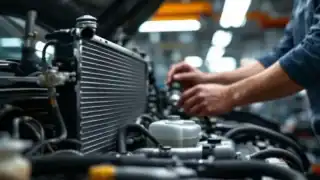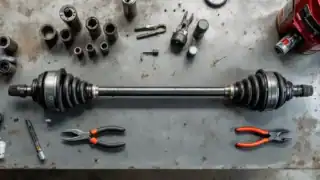
A tailshaft connects your Ford’s transmission to the rear differential, transmitting engine power to drive the wheels. When a Ford tailshaft develops wear or damage, you’ll notice vibration, noise, or even a loss of power to the rear wheels. Ford Tailshaft Repair is one of those services that seems straightforward until you’re underneath the car and realise how much depends on getting it right. We’ve been servicing Fords in Kirrawee and across the Sutherland Shire for over 18 years, and tailshaft work is something we approach with the same precision we’d apply to any critical drivetrain repair.
Signs Your Ford Tailshaft Needs Attention
A failing tailshaft usually announces itself in ways that are hard to ignore. You might feel a persistent vibration through the floor or seat, especially noticeable at highway speeds. Some drivers describe it as a rhythmic thudding that seems to come from beneath the vehicle. Others report a clunking sound when accelerating hard or a creaking noise during tight turns.
Less obvious but equally important are signs of wear that show up during normal driving:
- Vibration that increases with speed and settles at certain RPM ranges
- Clunking or knocking sounds when shifting between Park and Drive
- Grinding noise from underneath, particularly when turning corners
- Loss of power delivery to the rear wheels (feels sluggish or hesitant)
- Visible grease or oil leakage around the tailshaft seals or joints
If you’ve noticed any of these symptoms in your Ford, it’s worth getting a proper inspection sooner rather than later. A worn tailshaft can damage other drivetrain components if left unchecked, and ignoring vibration often leads to costlier repairs down the track.
What Ford Tailshaft Repair Involves
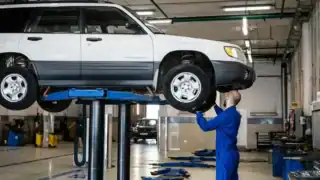
When you bring your Ford in with tailshaft concerns, we start with a thorough diagnostic. We raise the vehicle safely and rotate the wheels by hand while checking for binding, excess play, or rough spots in the tailshaft assembly. We also inspect the universal joints (U-joints) and centre bearing for wear or corrosion, as these are the most common failure points on Ford tailshafts.
For Ford models, we follow OEM diagnostic procedures to identify whether the fault is in the tailshaft itself, the U-joints, the centre bearing, or the seals. Ford tailshafts vary between models and generations, so we use make-specific service information to determine the exact configuration in your vehicle. Some Fords run a longer tailshaft with a single U-joint; others use a two-piece design with a centre bearing. Getting that detail right matters for both the repair and long-term reliability.
Once we’ve identified the fault, the repair depends on what we find:
- If U-joints are worn or seized, we remove the tailshaft and recondition or replace them
- If the centre bearing is damaged, we replace it and inspect the tailshaft for secondary damage
- If seals are leaking, we replace them and top up the differential fluid
- If the tailshaft shaft itself is bent or cracked, we source a replacement and balance it to OEM specs
We use genuine Ford parts or quality equivalent components that meet Ford specifications. Balancing is non-negotiable, because an out-of-balance tailshaft creates the very vibration you brought the car in for in the first place.
What Affects Cost and Repair Time
Ford tailshaft repair costs vary based on what’s actually failed. A U-joint replacement or centre bearing swap is typically quicker and less expensive than a full tailshaft replacement. If we’re just replacing seals, the job can be done in a morning. A full tailshaft removal, inspection, balancing, and reinstallation usually takes longer.
Parts availability also plays a role. Most common Ford tailshaft assemblies are in stock or available quickly through our suppliers, so we’re not often held up waiting for parts. However, older Fords or less common model variants occasionally require a longer lead time, and we’ll let you know about that upfront.
Labour time varies too. A straightforward U-joint replacement might take two to three hours; a full tailshaft removal and refit with diagnostics, balancing, and test driving usually spans four to six hours. We’re transparent about what the job entails and what you can expect to pay before we start work. There are no surprises, because we believe you should know exactly what you’re authorising and why.
Why Shire Tune & Service for Ford Tailshaft Repair in Kirrawee
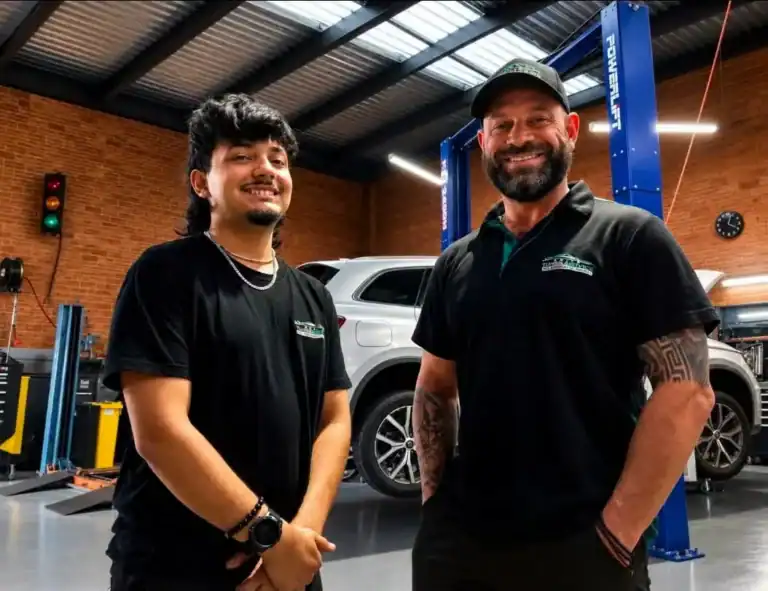
We’ve spent over 30 years working on cars, and 18 of those years serving the Sutherland Shire from our Kirrawee workshop. We’re not a franchise, and we’re not pushing unnecessary upsells. When your Ford needs tailshaft work, we diagnose it properly, explain what we find, and repair it to the standard we’d apply to our own vehicles.
We have the diagnostic tools and service information to work on Ford models with confidence. We source genuine Ford parts or certified equivalents that protect your vehicle’s performance and longevity. Every repair comes with our commitment to honest advice and fair pricing, which is why locals in Kirrawee and the surrounding suburbs keep coming back.
Get Your Ford Tailshaft Inspected Today
If you’ve noticed vibration, noise, or other signs that your Ford’s tailshaft might need attention, Call Us Today for a chat or Book Your Free Inspection online. We’ll get underneath, find out what’s going on, and give you a clear picture of what needs doing. Shire Tune & Service is your local Kirrawee workshop, and we’re ready to help.