A tailshaft is the steel tube that carries power from your transmission to the rear differential, spinning thousands of times per minute as you drive. On Mitsubishi vehicles, a damaged or worn tailshaft can leave you stranded or create unsafe driving conditions. Mitsubishi Tailshaft Repair in Kirrawee is a specialist job that requires proper diagnosis and precision work — not all garages have the equipment or experience to do it right. We’ve spent over 30 years servicing Mitsubishi models across the Shire, and tailshaft issues are something we see regularly on both older and newer Mitsubishi vehicles.
Common Signs Your Mitsubishi Tailshaft Needs Attention
Tailshaft problems usually announce themselves through clear symptoms that get worse if ignored. If you’re hearing a clunking noise from underneath the vehicle when you accelerate or change gear, that’s often a sign the tailshaft bearings or centre support bearing has worn out. A vibration that increases with speed, especially noticeable through the floor or steering wheel, can indicate the shaft is out of balance or bent.
You might also notice that power delivery feels rough or interrupted — the car hesitates when you press the accelerator, or there’s a grinding sensation rather than smooth acceleration. On some Mitsubishi models, a failing centre support bearing will create a deep rumbling that sounds like it’s coming from the middle of the vehicle. Any of these symptoms deserve prompt inspection, because a broken tailshaft can damage other components downstream and leave you without drive.
- Clunking or clanging from underneath when accelerating
- Vibration felt through the floor or steering wheel at highway speeds
- Loss of power or hesitation during acceleration
- Grinding or growling noise from the centre of the vehicle
- Visible damage, rust, or dents on the shaft itself
How We Diagnose and Repair Mitsubishi Tailshaft Issues
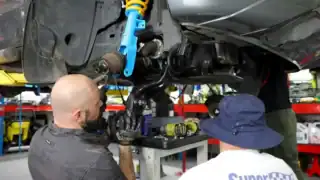
Our approach to Mitsubishi tailshaft repairs starts with a thorough inspection and diagnosis. We lift the vehicle safely and inspect the entire shaft from end to end, looking for cracks, corrosion, bearing play, and alignment issues. We spin the shaft by hand to feel for roughness or seized bearings, and we check the centre support bearing specifically – this component fails often on Mitsubishi models and can be addressed separately if the shaft itself is sound.
We use up-to-date diagnostic tools to measure shaft balance, runout, and concentricity. If you’ve been hearing a vibration, we can often identify whether the issue is the shaft itself, a bearing, or a mounting point that’s come loose. This precision matters because a misdiagnosis can mean replacing a good shaft unnecessarily.
Once we’ve identified the problem, we explain exactly what needs to happen. If the shaft is damaged beyond repair, we source a quality replacement – either OEM Mitsubishi or a genuine-equivalent part that meets the same specifications. If the issue is the centre support bearing, we can often replace that bearing alone, which costs less and keeps turnaround time shorter. We fit the new or repaired shaft carefully, ensuring all bolts are torqued to Mitsubishi specifications and that alignment is perfect. A misaligned tailshaft will vibrate and wear out again quickly, so we don’t skip this step.
What Affects Cost and Repair Time for Your Mitsubishi
Tailshaft repair costs depend on several factors we can only determine after inspection. A centre support bearing replacement is usually a quicker, less expensive job than a full shaft replacement. Parts availability also matters – some Mitsubishi models have readily available shafts, while others may require a few days’ lead time for OEM stock or a quality equivalent.
The severity of the damage affects labour time. A shaft that’s simply worn will be quicker to remove and replace than one that’s bent or damaged, because a bent shaft can seize in its mounting points. The age and condition of surrounding components also influences the job – if the engine or transmission mounts are worn, they might need attention too, or they could be contributing to the tailshaft failure in the first place.
We’re transparent about these variables from the start. After diagnosis, we’ll walk you through what we’ve found, what the repair involves, and what you can expect to pay – no surprises, no hidden charges. We’ll also let you know if we recommend genuine Mitsubishi parts or if a quality aftermarket equivalent will serve you just as well.
Why Shire Tune & Service in Kirrawee Understands Your Mitsubishi
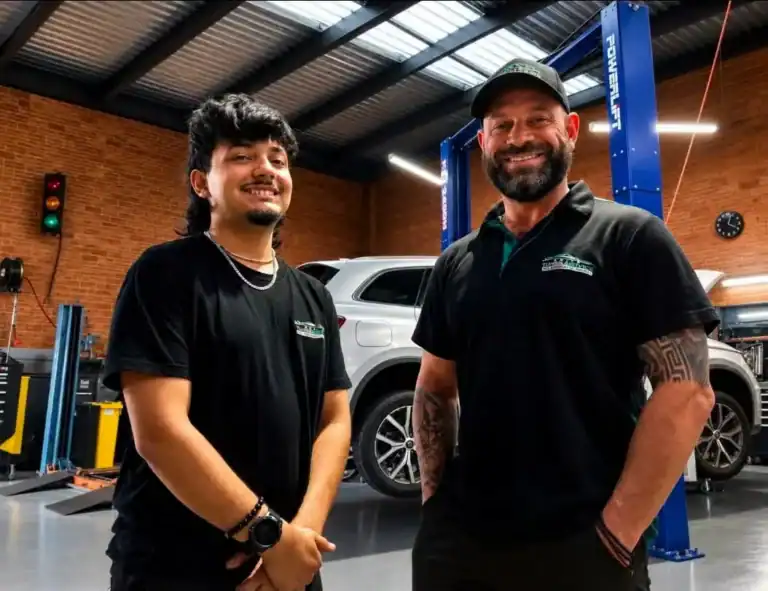
We’ve been servicing Mitsubishi vehicles in Kirrawee and across the Shire for over 18 years. We understand the common wear patterns on different Mitsubishi models – Lancer, Outlander, Pajero, ASX – and we know which parts tend to fail first. That knowledge saves time during diagnosis and helps us spot secondary issues before they become problems.
Our workshop has the latest diagnostic equipment to measure tailshaft balance and alignment accurately. We work with genuine Mitsubishi parts where they’re the right choice, and we source quality alternatives when they’re equally suitable and more cost-effective. Every Mitsubishi tailshaft repair we do protects your warranty and gives you confidence that the work is done properly.
Shire Tune & Service is built on honest advice, fair pricing, and work that actually solves the problem rather than masking it. If you’ve been getting overcharged or oversold by other garages, you’ll notice the difference when you bring your Mitsubishi to us.
Next Steps for Your Mitsubishi Tailshaft
If you’re hearing clunking, vibration, or loss of power, don’t delay. A failing tailshaft can damage your transmission or differential if it breaks completely. Book Your Free Inspection, or give us a call to describe what you’re experiencing and we’ll advise whether a visit is urgent. We’ll get your Mitsubishi sorted and back on the road safely in Kirrawee.