Your Mitsubishi’s cooling system is one of its most critical components. It keeps your engine at the right temperature, protects your transmission fluid, and maintains the cabin climate for your family or crew. When cooling systems fail, engine damage can follow quickly. Mitsubishi Cooling System Repair requires precision diagnostics and an understanding of how Mitsubishi’s water jacket design, thermostat housing, and radiator specs differ from other Japanese makes. At Shire Tune & Service in Kirrawee, we’ve spent over 30 years on Japanese vehicle cooling systems, including the specific thermal management needs of Mitsubishi models.
Warning signs your Mitsubishi needs cooling system attention
Cooling system problems don’t always announce themselves with a burst hose. Often, the warning signs are subtle, and noticing them early makes the difference between a straightforward repair and a major engine rebuild.
- Temperature gauge climbing into the red or sitting higher than normal, especially during city driving or queuing in traffic
- Sweet smell near the bonnet or a visible puddle under the vehicle (coolant leaks from hoses, radiator seams, or the water pump)
- Steam or white vapour from under the bonnet, particularly after the engine has been running
- Soft or mushy brake pedal combined with coolant loss (brake fluid absorbs moisture from coolant leaks)
- Heater blowing cold when the engine is warm, often a sign of a blocked radiator or failing thermostat
- Coolant level dropping between services even when there are no visible leaks
- Bubbling or gurgling sounds from the radiator hose when the engine is off
If you notice any of these, bring your Mitsubishi in for a diagnostic check. A small leak caught early costs far less than an overheated engine.
How Mitsubishi cooling system diagnosis and repair works
Mitsubishi vehicles use a pressurised coolant system with a thermostat that regulates flow based on engine temperature. Models like the Lancer, Outlander, and Triton have specific coolant specifications and thermostat designs that differ from other Japanese brands. Our diagnostic approach starts with the basics but goes deeper when needed.
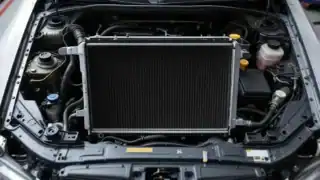
Visual inspection is our first step. We check radiator hoses for cracks, bulges, or softness; inspect the radiator core for corrosion or debris blockage; and look for signs of seepage around the water pump, radiator seams, and thermostat housing. On Mitsubishi models, we pay particular attention to the thermostat gasket, which is a common wear point.
Pressure testing follows if a leak is suspected. We pressurise the system to the vehicle’s spec and watch for drops, pinpointing whether the leak is in the radiator, hoses, clamps, water pump seal, or cylinder head gasket. This test costs little but saves guesswork.
Thermostat function is verified next. A faulty Mitsubishi thermostat can cause overheating or prevent the engine from reaching proper operating temperature, both of which damage performance and emissions. We test coolant flow and monitor engine temperature under load.
Coolant analysis tells us about system health. Old or degraded coolant loses its protective properties and allows corrosion. We test pH, inhibitor levels, and coolant colour. Mitsubishi specifies particular coolant types (usually a red or pink long-life formula), and using the correct spec matters for longevity.
Once we’ve identified the fault, repair might involve hose replacement, radiator repair or replacement, water pump renewal, thermostat replacement, or a combination. We use genuine Mitsubishi parts where they’re the best option, or quality equivalent parts where appropriate, always with transparency about what you’re paying for.
What affects the cost and timeline of cooling system repairs in Kirrawee
Cooling system repair costs depend on several factors. A leaking hose clamp or a failed radiator cap is straightforward and quick. A failed water pump or radiator requiring removal takes longer and costs more because of labour time and parts. A thermostat on most Mitsubishi models is accessible but requires draining coolant, so it’s a moderately involved job.
Parts availability is rarely a problem. Mitsubishi cooling components are common and stock-able. We can usually source parts the same day, meaning most repairs can be completed within one or two visits.
The type of repair also affects price. A radiator flush and fill (preventative) is different from a radiator replacement (corrective). We’ll always explain what you need and why, and we don’t upsell parts you don’t need. Our pricing sits between the quick-fit chains, which often miss underlying issues, and the dealerships, which can charge premium rates for the same work.
Why Mitsubishi owners in Kirrawee trust us for cooling system work
We’ve serviced Mitsubishi vehicles locally for over 18 years. That familiarity with Mitsubishi’s design quirks, common failure points, and OEM service schedules means we diagnose faster and recommend the right fix the first time. We’re equipped with the diagnostic tools to read Mitsubishi fault codes and monitor live engine data, not just visual inspection.
We use genuine Mitsubishi parts where they’re the best choice, and we never upsell unnecessary work. Every repair we carry out protects your Mitsubishi’s warranty, because independent workshops legally can service vehicles without voiding coverage under Australian consumer law, provided the work is done properly. We do proper work.
Most importantly, we’re here locally. If something doesn’t feel right after a repair, you can drive back in and we’ll sort it out without argument. That’s the value of an owner-operator who’s been in the same Kirrawee community for nearly two decades.
If your Mitsubishi’s temperature gauge is climbing, the heater has gone cold, or you’ve spotted a puddle, Call Us Today or Book Your Free Inspection online. We’ll diagnose the fault quickly and give you honest advice on what needs fixing.