Your Subaru’s cooling system works quietly in the background, but when it starts to fail, you’ll notice it quickly. Overheating, coolant leaks, and a struggling heater are all signs that something needs attention. Subaru Cooling System Repair at Shire Tune & Service in Kirrawee focuses on diagnosing the root cause, not just patching symptoms. Whether it’s a failing thermostat, a worn water pump, or a leaking radiator, we use Subaru-specific diagnostic equipment to identify exactly what’s going on before recommending repairs.
Warning Signs Your Subaru’s Cooling System Needs Attention
The cooling system in a Subaru is engineered to keep your engine at the right temperature under all driving conditions. When it’s failing, your car will tell you. Watch for these warning signs:
- Engine temperature gauge climbing toward the hot zone, especially in traffic or on hills
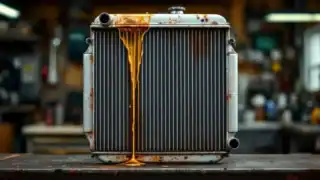
- Sweet-smelling coolant odour or visible leaks under the car
- Heater blowing cold air or losing heat suddenly
- Steam coming from under the bonnet
- Coolant light illuminating on the dashboard
- Unusual noise from the engine bay when the engine is running
- White or greenish stains on hoses or around the radiator
If you see any of these signs, it’s important to get the cooling system inspected promptly. Driving an overheating Subaru can damage the engine quickly, turning a straightforward repair into a much bigger problem.
How We Diagnose and Repair Your Subaru’s Cooling System
Every Subaru cooling system repair starts with a thorough inspection. We check coolant condition, radiator fins for blockage, hose integrity, and the thermostat’s response. Subaru models across the range, from the Legacy to the Forester and Outback, share common cooling architecture, but we approach each one using the manufacturer’s service specifications and our own experience with how these systems behave in the local climate.
Our diagnostic process includes:
- Visual inspection of the radiator, water pump, and all cooling hoses for cracks or leaks
- Pressure testing to identify slow leaks that aren’t always obvious
- Thermostat function testing to ensure it opens and closes at the correct temperature
- Coolant condition analysis to check for contamination or degradation
- Water pump operation check, including bearing play and seal integrity
- Electric fan operation verification, especially important on newer Subarus with electronically controlled fans
Once we’ve identified the fault, we’ll explain exactly what needs to be done and why. For Subaru radiator specialist work, we often replace failed components with genuine Subaru parts or quality equivalents that meet OEM specifications. The cooling system isn’t something to compromise on with cheap aftermarket parts. Your engine’s longevity depends on reliable cooling.
Common Subaru Cooling Issues We See in Kirrawee
Subaru’s horizontally-opposed engine design means cooling demands are different from conventional layouts. Over our 18 years servicing the local Sutherland Shire area, we’ve seen recurring patterns. Subarus with higher mileage often develop thermostat sticking, particularly in models from the mid-2000s onward. Water pump failure is another common culprit, especially if the original coolant hasn’t been changed on schedule. Modern Subarus are also prone to radiator blockage from internal corrosion if coolant intervals have been stretched.
We’re familiar with Subaru’s tendency toward coolant loss in certain model generations, and we know which diagnostic codes point to cooling system faults on the brand’s engine management systems. That familiarity saves you time and money because we’re not guessing what the problem is.
What Affects the Cost and Time for Your Cooling System Repair
The scope of a Subaru cooling system repair varies widely. A simple thermostat replacement takes a few hours and is relatively straightforward. A radiator replacement or water pump rebuild takes longer because those components sit deep in the engine bay. If the issue is a small coolant leak from a hose, that’s a quick fix. If internal corrosion has damaged the radiator core, you’re looking at a new radiator.
Parts availability plays a role too. We stock common cooling components for Subaru models, but if your car needs something less common, we source genuine parts through our supplier network. Whether you choose OEM Subaru parts or quality aftermarket equivalents affects both cost and outcome, and we’ll discuss that choice with you upfront.
Timeframe depends on the fault. A straightforward diagnosis takes a morning. Repairs can range from same-day work to a few days if parts need ordering. We’ll always let you know what to expect before we start, and we won’t surprise you with hidden costs or unnecessary work.
Why Choose Shire Tune & Service for Your Subaru Cooling System Repair
We’ve been servicing European and Japanese vehicles for over 30 years, with 18 years of that focused right here in Kirrawee and the surrounding Sutherland Shire. We use up-to-date diagnostic equipment that’s specifically calibrated for Subaru systems, so we can read fault codes and test live data with confidence. Our approach is straightforward: inspect thoroughly, diagnose accurately, and fix it right the first time without upselling unnecessary work.
We understand that cooling system repairs can seem expensive if you’re getting quotes from a dealership, but we deliver the same quality of work at independent pricing. Every Subaru cooling system repair we do protects your manufacturer warranty and uses genuine or equivalent parts that will perform reliably. You’ll get honest advice, transparent pricing, and no pressure to replace components that don’t actually need replacing. Our 5.0 verified reviews speak to the care we take with every job.
Next Steps for Your Subaru’s Cooling System
If your Subaru is showing cooling system warning signs, don’t wait. Overheating damage happens quickly, and the longer you delay, the worse it gets. Book Your Free Inspection online, or Call Us Today to discuss your symptoms. We’ll get your cooling system sorted and your car running safely again in Kirrawee.