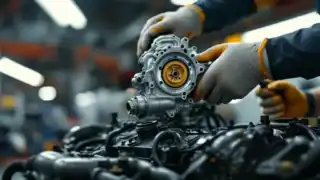
A failed or failing radiator puts your Subaru at risk of overheating, which can cause serious engine damage in a matter of minutes. Subaru radiator repair is one of those services that often feels urgent because the symptoms are hard to ignore, but it’s also one where early diagnosis saves money and prevents a much costlier breakdown. We’ve spent over 30 years working on cooling systems across European and Japanese vehicles, and we see Subaru radiator issues regularly in Kirrawee and across the Sutherland Shire. Whether you’re noticing coolant leaks, rising temperature gauges, or just want to understand what’s happening under the bonnet, this guide explains what radiator problems look like, how we diagnose and repair them, and what to expect from the process.
When Does a Subaru Radiator Need Repair?
Your radiator’s job is straightforward: it moves hot coolant through a series of fins to cool it down, then sends it back to the engine. When that system fails, heat builds up fast. Knowing the warning signs means you can bring your Subaru in before you’re stranded or facing engine damage.
- Coolant leaks under the car or in the engine bay (often a bright green, orange, or pink puddle)
- Rising temperature gauge, especially in traffic or on hills
- Sweet smell from the engine bay (coolant has a distinctive odour)
- Overheating warning lights on the dashboard
- Visible corrosion, rust, or discolouration on the radiator itself
- Coolant loss without visible leaks (internal damage or head gasket involvement)
- Cold cabin air when heating is on, or heating that cuts out at traffic lights
Don’t ignore these signs. Even a small leak can escalate quickly, especially in summer or during longer drives. If your temperature gauge climbs into the red, pull over immediately and let the engine cool before driving to a workshop. Continuing to drive an overheating Subaru risks warping the cylinder head or cracking the engine block, repairs that cost far more than fixing the radiator itself.
How We Diagnose Subaru Radiator Problems in Kirrawee
We don’t guess at radiator issues. Our approach starts with a full cooling system inspection using diagnostic equipment that checks coolant condition, system pressure, and temperature accuracy. Subaru models have specific coolant specifications (Type 0 or Type 1 depending on the year), and we verify that the right fluid is in use and at the correct level. Many cooling system problems stem from using the wrong coolant or from contamination over time, so we test first before deciding what needs to happen next.
If we find a Subaru radiator leak, we trace where it’s coming from. Leaks can occur at the core itself (internal corrosion or impact damage), at the tanks (plastic side sections that fail with age), at inlet and outlet ports, or at hose connections. Once we identify the source, we can tell you whether a repair or a full replacement makes sense for your vehicle and budget.
For severe overheating or coolant loss without an obvious leak, we run a pressure test to check for head gasket or internal engine leaks. This matters because a radiator repair won’t solve the problem if the real issue is inside the engine. We’ll be honest about what we find and what your options are.
What Happens During Subaru Radiator Repair or Replacement
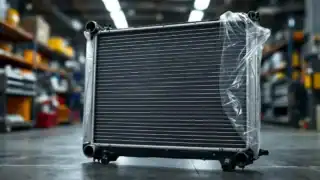
The repair process depends on what we’ve found. If it’s a loose hose clamp or a failed hose, that’s a straightforward fix. If a plastic tank has cracked, we replace the radiator as a complete unit using genuine Subaru-specification parts or quality equivalents that meet OEM standards.
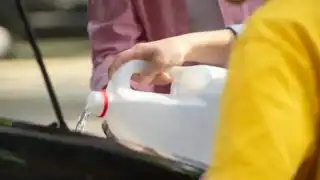
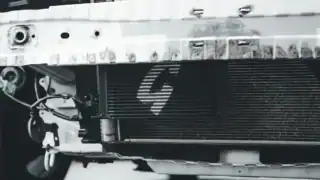
A radiator replacement involves draining the coolant system safely (we recover it properly), removing hoses and mounts, taking out the old radiator, and installing the new one with fresh coolant. Subaru radiators often sit behind the bumper or grille, so access varies by model, but our technicians know the layout of common Subaru platforms and work efficiently to keep labour costs reasonable.
We always pressure-test the system after work to confirm there are no leaks and the cooling system performs properly. You’ll drive away knowing your temperature gauge stays stable and your engine isn’t at risk from overheating.
What Affects the Cost and Timeline for Your Repair
Several factors influence the final bill and how long the job takes. The age and model of your Subaru matters: older vehicles sometimes have harder-to-source radiators, though most common Subaru models have parts available locally or within a day or two. Whether the radiator has been replaced before also affects availability. The extent of the damage affects labour time; a simple hose replacement takes an hour or two, while a full radiator replacement with system flush might take 3-4 hours. Parts cost depends on whether you choose genuine Subaru parts or quality aftermarket alternatives that meet the same specifications.
We’re transparent about pricing and won’t pressure you on work you don’t need. We’ll explain the options and let you decide what’s right for your vehicle and situation.
Why Trust Shire Tune & Service for Your Subaru Radiator Repair
We’ve been servicing European and Japanese vehicles for over 30 years, and we’ve been the local workshop in Kirrawee for 18 years. Subaru owners come to us because we know their vehicles well, we use up-to-date diagnostic tools to identify problems accurately, and we don’t pressure you into unnecessary repairs. Our honest approach means no surprises when you get the bill.
We use genuine parts or quality equivalents that meet OEM specifications, which protects your Subaru’s warranty and ensures the repair lasts. With fair, transparent pricing and a focus on getting the job done right, we’re the alternative to dealership costs without any compromise on capability or care.
Next Steps: Book Your Radiator Inspection Today
If your Subaru is showing any signs of cooling system trouble, or if you just want peace of mind, Call Us Today to discuss what you’ve noticed. We’ll run a full inspection and explain exactly what’s needed. Book Your Free Inspection online or get in touch with our team in Kirrawee to arrange a time that suits you.