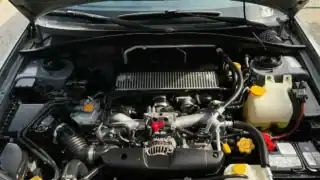
A failing radiator is one of the most common cooling system issues we see at Shire Tune & Service in Kirrawee, especially on Hyundai vehicles that have clocked up some kilometres. Your radiator is responsible for keeping your engine at the right temperature by circulating coolant through the engine block and then releasing heat through its fins. When it starts to fail, you’re looking at potential engine damage if the problem isn’t caught and fixed promptly. Hyundai radiator repair isn’t always about replacing the whole unit, but you need a proper diagnosis to know what’s actually needed.
Warning Signs Your Hyundai Radiator Needs Attention
The first thing most people notice is coolant pooling under the car. It’s usually bright green, orange, or pink depending on the coolant type your Hyundai uses. Don’t ignore even a small puddle, because radiator leaks get worse quickly once they start. Other clear signs include an overheating engine (temperature gauge climbing into the red zone), steam coming from under the bonnet, or a sweet smell when the engine is running. Some drivers notice the heater stops working properly, which can indicate a blockage or low coolant level caused by a radiator problem.
Hyundai models, particularly those in the i30, Tucson, and Santa Fe ranges that we service regularly around Kirrawee and the Shire, tend to show symptoms consistently when the radiator is compromised. If your car has lost coolant but you can’t see a leak underneath, the problem might be inside the radiator itself, where internal corrosion or a small crack can weep slowly. A radiator leak repair becomes more urgent in warmer months, but it’s worth addressing year-round because a failed cooling system can leave you stranded.
How We Diagnose and Repair Hyundai Radiators
Our diagnostic process starts with a pressure test. We seal the cooling system and pressurise it to see where coolant is escaping. This tells us immediately whether the radiator itself is leaking, or whether the problem is a hose, clamp, or connection. For Hyundai vehicles, we check the specific coolant specification your model requires, because using the wrong type can accelerate internal corrosion and damage a radiator that might otherwise be salvageable.
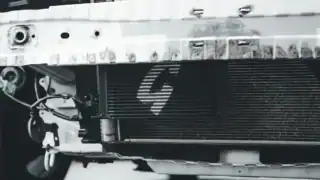
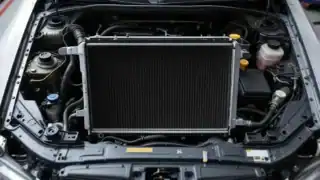
Next, we inspect the radiator core itself. Over time, the thin aluminium fins can corrode, develop small holes, or become blocked with sediment and mineral deposits from old coolant. If the damage is minor, we can sometimes flush and seal the system to extend the radiator’s life. For more serious leaks or structural damage, a radiator replacement becomes the safest option. We use OEM-spec or genuine-equivalent radiators matched to your Hyundai’s year and engine type, ensuring proper fit and cooling performance.
Once the radiator is repaired or replaced, we refill the system with the correct Hyundai coolant specification, bleed out any air pockets that can cause overheating, and run a final pressure test to confirm everything is holding. We also check the thermostat and water pump while we’re in there, because these components work together, and a failing one can mask or worsen radiator problems.
What Affects Cost and Repair Time for Hyundai Radiator Work
The main variables are whether your radiator can be repaired or needs full replacement, parts availability, and how quickly the problem was caught. A small leak found early might need only a flush and refill, which takes a couple of hours. A full radiator replacement takes longer because we need to remove hoses, disconnect the cooling fan, and clear access to lift the radiator out safely.
Parts supply is usually straightforward for common Hyundai models, but some older or less common variants may take a day or two. We always source parts that match your vehicle’s OEM specification, which protects both your engine’s warranty coverage and long-term reliability. Aftermarket radiators are available at lower cost, but OEM-spec parts give you the confidence that cooling performance matches factory standards.
Labour time also depends on your vehicle’s design. Some Hyundai models have the radiator tucked behind other components, which adds time. We quote based on what we see during the diagnostic, so you know exactly what to expect before we start.
Why Shire Tune & Service Handles Hyundai Cooling System Repairs
We’ve spent over 30 years working on cooling systems, and 18 years serving the Kirrawee and Sutherland Shire area. Hyundai vehicles have become increasingly common locally, and we know their cooling system strengths and weak points. We use up-to-date diagnostic tools that can read Hyundai-specific fault codes, so if your temperature warning light comes on, we can pinpoint exactly what’s wrong instead of guessing.
Our approach is honest and straightforward. If a radiator leak repair is possible, we’ll tell you. If replacement is the safer choice, we’ll explain why. No upselling, no surprises, and fair transparent pricing that sits between dealership rates and quick-fit chains. We source genuine parts that keep your warranty intact, and we stand behind every repair. With 18 years in Kirrawee, we’ve built our reputation on reliability and trustworthy advice.
Book Your Hyundai Radiator Repair in Kirrawee Today
If you’ve spotted coolant leaks, overheating, or steam from your Hyundai, Call Us Today to book a diagnostic appointment. We’ll pressure test your cooling system and walk you through exactly what’s needed to get your car reliable again. You can also Book Your Free Inspection online at your convenience.