A radiator failure doesn’t happen overnight, but when it does, you’re looking at an engine that overheats quickly and a repair bill that climbs fast. Japanese vehicles radiator repair is one of those services that separates preventative maintenance from emergency roadside breakdowns. Whether you drive a Toyota, Honda, Nissan, Mazda, or Subaru around Kirrawee, the cooling system is what keeps your engine safe, and the radiator is its heart. We’ve spent over 30 years keeping Japanese vehicles running reliably across the Sutherland Shire, and radiator issues are something we see regularly — often before they become catastrophic.
Warning Signs Your Japanese Vehicle Radiator Needs Attention
The cooling system doesn’t always fail silently. If you notice any of these warning signs, it’s worth getting your radiator inspected sooner rather than later:
- Temperature gauge creeping into the red zone or fluctuating erratically
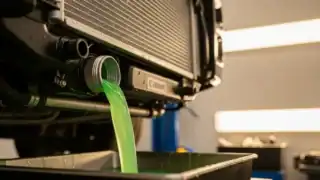
- Sweet-smelling coolant odour near the engine bay or visible leaks under the car
- White or coloured fluid pooling underneath where you’ve parked
- Steam rising from under the bonnet, especially during or after driving
- Engine running hotter than normal, particularly in stop-start traffic
- Coolant level dropping noticeably between services
- Discoloured or rusty-looking coolant visible in the overflow tank
Japanese vehicles tend to be reliable, but their radiators can corrode from the inside out, especially if coolant hasn’t been flushed on schedule. A small leak or internal blockage might go unnoticed until the engine temperature spikes. That’s when a preventative radiator repair becomes an urgent one.
How Japanese Vehicles Radiator Repair and Diagnostics Work
We don’t guess at cooling system problems. Our first step is a proper diagnostic inspection using up-to-date diagnostic tools that can read your vehicle’s coolant temperature sensors and identify faults with precision. This tells us whether the issue is the radiator itself, a thermostat, a water pump, or something else in the cooling circuit.
For Japanese vehicles, cooling system design varies between manufacturers. Toyota radiators, for instance, handle their own thermal load differently from Honda or Subaru units. We’re familiar with those differences and use the correct OEM service schedules and specifications for your specific make. When we inspect your radiator, we check for:
- Physical damage, cracks, or corrosion on the core and tanks
- Blockages or sediment buildup reducing coolant flow
- Leaks at seal points, which are common wear areas
- Radiator cap condition — a failing cap can’t maintain system pressure
- Coolant condition and concentration, which affects freezing and boiling points
- Hose integrity and clamp security
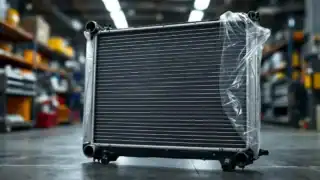
If the radiator needs repair, we’ll advise whether it can be rodded out and restored or whether replacement is the safer option. For Japanese vehicles, we use genuine equivalent parts that meet OEM specifications, ensuring your cooling system performs as designed and your manufacturer warranty protection stays intact.
What Affects Cost and Repair Time for Radiator Work
Several factors influence both the timeline and cost of radiator repair. First is the diagnosis itself — if we catch a slow leak early, Japanese vehicles radiator repair might involve flushing, sealing, or a straightforward replacement. If the radiator has failed completely or developed multiple problems, you’re looking at a full radiator replacement, which takes longer and costs more.
Parts availability plays a role too. Japanese vehicle radiators are generally well-stocked in the aftermarket, so turnaround is usually quick. We can source genuine or quality aftermarket equivalents depending on your budget and preference. Older vehicles or less common models may need longer lead times, which we’ll communicate upfront.
Labour time depends on your vehicle’s design. Some radiators are straightforward to access and swap; others require removing ancillary components or draining the entire cooling system first. We’ll give you an honest estimate once we’ve diagnosed the issue and know exactly what’s needed.
Why Shire Tune & Service Handles Japanese Vehicle Radiator Repairs in Kirrawee
Japanese vehicles are what we specialise in. We’ve been servicing them across Kirrawee and the surrounding Shire for 18+ years, which means we understand how these engines run, what cooling systems they rely on, and how to service them without surprises or upselling. Our diagnostic equipment is up to date, so we identify the real problem, not a guessed one. That accuracy saves you money because you’re only paying for the work your car actually needs.
We use genuine parts or quality equivalents that protect your vehicle’s reliability and performance. Whether you’re still under warranty or well past it, we respect your car’s design and longevity. Our transparent, fair pricing means no hidden costs and no pressure to replace parts you don’t need. You’ll know exactly what’s happening, why, and what it costs before we start.
Over 30 years of hands-on experience with Japanese cooling systems means we’ve seen radiator failures in various makes and understood what leads to them. We don’t invent problems or recommend unnecessary work — just honest advice and a repair done right the first time.
Keep Your Cooling System Healthy
Radiator repairs are far less expensive than engine damage caused by overheating. Regular coolant flushes, using the correct coolant type for your Japanese vehicle, and catching small leaks early are the best preventative steps. If you’ve noticed any warning signs or just want to be sure your radiator is in good condition, the next step is simple.
Call Us Today to discuss your radiator concerns, or Book Your Free Inspection online. We’ll get to the bottom of what’s happening with your cooling system and make sure your Japanese vehicle stays running cool and reliably across Kirrawee and beyond.