A failing BMW radiator can leave you stranded or cause serious engine damage if you ignore the warning signs. BMW radiator repair requires the right diagnostic approach because BMW cooling systems operate under pressure and rely on condition-based servicing intervals rather than fixed schedules. At Shire Tune & Service, we’ve spent over 30 years diagnosing and repairing cooling system faults across European makes, and we’ve seen plenty of BMW owners in Kirrawee catch small radiator issues early because they knew what to look for. This guide explains what happens inside your BMW’s cooling system, how to recognise when repair is needed, and why professional diagnosis matters before parts get replaced.
Common Signs Your BMW Radiator Needs Repair
Your BMW’s dashboard warning lights and the way your engine behaves are the most reliable signals that cooling trouble is developing. Many BMW owners don’t realise these symptoms until they’re parked on the side of the road, so catching them early saves stress and cost.
- Coolant temperature gauge creeping towards the red zone, especially in traffic or on hills
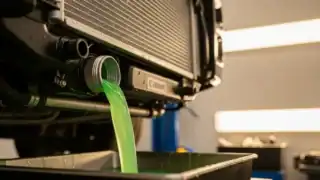
- Sweet-smelling fluid pooling under your car (usually bright green, orange, or pink depending on BMW coolant type)
- Steam or vapour rising from under the bonnet after driving
- Dashboard warning light for engine coolant temperature or low coolant level
- Heater blowing cold air even when the engine has warmed up
- Radiator fans running constantly, even at lower speeds
- Visible rust staining or white crusty deposits around radiator seams
If you spot any of these, stop driving the car immediately and have it inspected. Overheating can warp your cylinder head or damage gaskets, and that repair bill becomes much larger than fixing a radiator leak early.
What Affects the Cost and Time for BMW Radiator Repair
Several factors change how much time and money a BMW radiator repair takes. Model year matters because older BMWs sometimes have radiators that are easier to access than newer ones where the front bumper and fans need careful removal. Engine size and model also affect parts availability. Some BMW radiator assemblies include integrated expansion tanks or are mounted in tight spaces, which adds labour time.
The choice between OEM BMW radiators and genuine-equivalent aftermarket parts shifts the cost baseline. OEM parts carry the BMW badge and guarantee exact fitment, but they cost more and sometimes have longer lead times. Aftermarket equivalents are tested for BMW fitment and carry their own warranty, and we can often get them in stock sooner.
Urgency matters too. If your radiator has a slow leak, we can schedule the repair at a time that suits you. If your engine is overheating or you’ve spotted a large puddle, the job moves up the queue and takes priority. In either case, we’re transparent about what we’re doing and why, because honesty is how we’ve built our reputation over 18 years operating in the Kirrawee local area.
How BMW Radiator Repair Works
BMW radiator repair isn’t always a straightforward swap. Our approach starts with diagnosis because not every temperature warning means the radiator itself has failed. The cooling system includes the radiator, thermostat, water pump, hoses, and electronic sensors, and we need to know which component is actually causing the problem before we recommend parts.
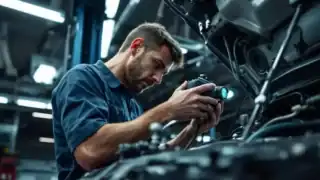
Here’s what our process looks like. First, we scan your BMW’s onboard diagnostics using our up-to-date diagnostic equipment. This tells us whether the vehicle is logging genuine overheating or a false sensor reading. We then perform a physical inspection of the radiator, looking for visible cracks, corrosion, or leaks, and we check hose condition, coolant colour and concentration, and whether the fans are cycling correctly. If the radiator itself is damaged, we discuss OEM BMW radiators versus genuine-equivalent aftermarket parts, because both are available and both can be reliable, but they differ in cost and availability.
For radiators with internal blockages or sediment buildup common in older BMW models, a radiator flush might extend the life of the unit before replacement becomes necessary. We’ll recommend this only if it’s the right call for your vehicle’s condition and mileage.
If replacement is needed, the radiator comes out, new hoses are fitted if the originals are hardened or cracked, and the system is refilled with the correct coolant specification for your BMW model year. We then bleed air from the system properly, test the temperature sensor, and verify the fans operate at the right thresholds.
Why BMW Owners Choose Shire Tune & Service for Radiator Repair
We specialise in European vehicles, and BMW cooling systems are something we see regularly. Our diagnostic equipment is current, which means we read BMW fault codes accurately and don’t waste time guessing. We stock genuine parts and quality equivalents, and we understand BMW condition-based service schedules, so we advise on whether your cooling system work affects your service plan or warranty.
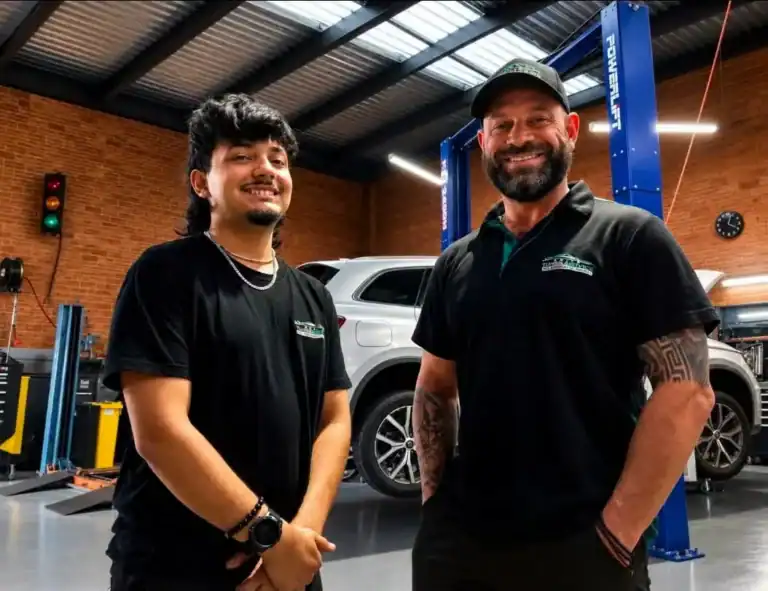
What sets us apart is straightforward honesty. We’re not a high-pressure dealership trying to upsell you on extra services you don’t need, and we’re not a quick-fit chain prioritising speed over care. We’re a local owner-operator workshop with over 30 years’ hands-on experience, and we’ve earned our reputation by fixing cars right the first time and charging fair prices for transparent work. If your radiator can be repaired instead of replaced, we’ll tell you. If it needs replacement, we’ll explain the parts options and let you decide.
Every BMW radiator repair we do protects your manufacturer warranty because we use genuine or approved-equivalent parts and follow OEM service procedures. You’ll receive a detailed report of what we found, what we did, and why, so you understand your car’s cooling system and know what to watch for.
If you’ve noticed any cooling system warning signs or want peace of mind before a long drive, Call Us Today or Book Your Free Inspection. We’ll diagnose the issue and give you honest advice on what your BMW actually needs.