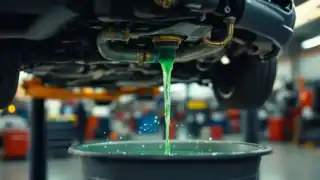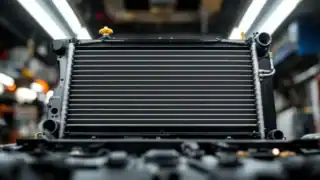
A Honda radiator repair often becomes urgent when you notice steam rising from under the bonnet or puddles of coolant beneath your parked car. The radiator is the core of your Honda’s cooling system, and when it fails, your engine temperature climbs quickly and dangerously. Honda radiator repair in Kirrawee doesn’t always mean a full replacement — sometimes a leak can be sealed, internal corrosion treated, or a failed radiator cap replaced for a fraction of the cost. We’ve seen plenty of Honda owners catch small coolant leaks early and avoid a breakdown, so if you spot warning signs, it’s worth getting it checked before summer traffic or a long drive.
What warning signs mean your Honda radiator needs attention?
Your Honda will give you clear signals when the radiator is struggling. Temperature gauge creeping toward the red zone, especially in city driving or at traffic lights, often points to cooling system trouble. Sweet-smelling fluid pooling under the car (coolant has a distinctive smell) is a classic radiator leak indicator. You might also see white or pastel-coloured steam from under the bonnet, though this can also signal a burst hose or loose clamp rather than a radiator fault itself.
Some Hondas develop radiator issues more gradually. Rust or mineral deposits inside the radiator restrict coolant flow, so your engine runs hotter even when there’s no visible leak. Over time, the radiator core can corrode from the inside out, especially if coolant hasn’t been changed on schedule. If your temperature gauge has been drifting upward over weeks rather than suddenly spiking, internal blockage or corrosion may be the culprit.
- Temperature gauge creeping toward the red, particularly in slow traffic
- Coolant dripping or pooling under the car when parked
- White or coloured steam from under the bonnet
- Sweet-smelling fluid on the driveway or garage floor
- Engine running hotter than usual, especially after short urban trips
- Visible rust stains or discolouration on the radiator fins
How we diagnose and repair Honda radiators
When you bring your Honda in, we start by checking the coolant level and condition. Fresh coolant is bright green, pink, or blue depending on Honda’s specification for your model year — old coolant turns brown or muddy, which tells us it’s degraded and unable to protect the radiator from corrosion. We then run the engine to operating temperature and watch the temperature gauge and cooling fan behaviour. Honda cooling fans are thermostat-controlled, so we verify they’re kicking in at the right temperature.
Once the engine is warm, we inspect the radiator itself under pressure using a cooling system tester. This pressurises the system to its rated limit and lets us spot leaks that aren’t visible at rest. We examine the radiator core for visible damage, debris, or signs of internal corrosion. If the radiator looks sound but the engine is still running hot, we check the thermostat and water pump function — both are common failure points on Honda engines and are often mistaken for radiator problems.
If repair is possible, we seal small leaks with appropriate sealant products or replace damaged hoses and clamps. For internal corrosion or blockage, a radiator flush using Honda-spec coolant can restore flow and cooling performance. If the radiator core is damaged beyond repair, we source a quality replacement radiator matched to your Honda’s engine and year, then flush the entire cooling system and refill with the correct coolant type. We never compromise on coolant spec — using the wrong type can damage seals and speed up corrosion on Honda’s aluminium radiators.
Time and cost factors for Honda radiator work in Kirrawee
The cost of Honda radiator repair depends on what’s actually wrong. A failed radiator cap or a leaking hose is a quick, low-cost fix. A radiator flush and coolant change costs less than a new radiator but takes time — we don’t rush it. A radiator replacement takes longer because the radiator sits deep in the engine bay on most Hondas, and we have to drain the system, disconnect multiple hoses and mounting brackets, fit the new radiator, and refill with the correct coolant type. A basic radiator replacement typically takes a few hours, but time varies depending on whether the radiator is stuck or corroded in place.
Parts availability is usually straightforward for Honda radiators — they’re common vehicles and radiator suppliers stock them. If we source an OEM Honda radiator, expect a slightly higher price but assured fitment and longevity. Aftermarket radiators are available at lower cost and perform well on most models, though some owners prefer original parts for peace of mind. We’ll discuss both options and let you decide based on your budget and vehicle age.
Why Shire Tune & Service handles Honda radiator repairs with care
Honda vehicles are part of our daily work here in Kirrawee. We specialise in Japanese vehicles and have over 30 years’ hands-on experience with Honda cooling systems across everything from compact city cars to larger family models. Our up-to-date diagnostic equipment lets us pinpoint whether the issue is the radiator itself, the thermostat, the water pump, or coolant degradation — you won’t be charged for parts you don’t need.
We use genuine Honda coolant or equivalent-spec fluids, and we flush the system properly rather than just topping it up. If we source a replacement radiator, we’ll match it exactly to your Honda’s engine and year. You’ll know the cost upfront before we start work, and we won’t upsell unnecessary repairs. Our 18-year track record in the Sutherland Shire is built on honest advice and fair pricing — no surprises when you collect your car.
Book your Honda radiator inspection in Kirrawee
If your Honda is running hot or you’ve spotted coolant leaks, don’t wait for a breakdown. Book Your Free Inspection and we’ll diagnose the fault and explain your options. Call Us Today or book online at your convenience.