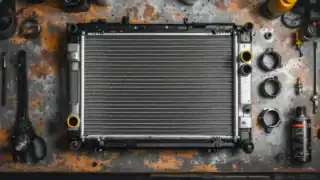
An Audi radiator repair becomes necessary when your cooling system can no longer regulate engine temperature effectively. The radiator is your car’s primary heat exchanger, sitting at the front of the vehicle and dissipating engine coolant through a network of aluminium fins. When it fails or develops a leak, your engine temperature climbs rapidly, risking serious internal damage. In Kirrawee and the Sutherland Shire, where summer heat can push cooling systems hard, a faulty radiator isn’t something to delay. We see Audi radiator problems regularly, and early diagnosis prevents the kind of breakdown that leaves you stranded.
Signs Your Audi Radiator Needs Attention
Your Audi will usually give you clear warning signs before a radiator fails completely. The most obvious is coolant leaking underneath the vehicle, pooling in bright green, orange, or pink fluid depending on the coolant type your Audi uses. You might notice this in your driveway or after the car sits for a few hours. Engine temperature gauges creeping higher than normal are another red flag, especially under light driving or at traffic lights. Some drivers report a sweet smell from under the bonnet, which is coolant vapour escaping.
- Coolant pooling under the car (green, orange, or pink fluid)
- Temperature gauge climbing into the hot zone
- Sweet smell from the engine bay
- White or steam-like vapour rising from under the bonnet
- Overheating warning lights on the dashboard
- Loss of coolant level in the expansion tank with no obvious leak visible
If you notice any of these, avoid driving the car long distances. An overheating Audi engine can suffer cylinder head damage, warped pistons, or a cracked block, all of which cost far more to repair than addressing a radiator leak early.
How We Diagnose and Repair Audi Radiator Issues
Our approach to Audi radiator repair starts with a full visual inspection under proper lighting. We check the radiator core for corrosion, cracks, and leaks, examine all hose connections, and test coolant condition and concentration using a refractometer. Many Audi models use specific coolant types, and mixing the wrong coolant can damage seals and cause future problems, so we verify the spec before proceeding.
Pressure testing is the next step. We pressurise the cooling system to identify slow leaks that aren’t visible at rest. A small leak might seem minor, but over weeks it can lead to complete coolant loss and overheating. Once we’ve pinpointed the problem, we discuss your options. A pinhole leak in the radiator core usually means radiator replacement, as repair isn’t reliable. Leaking hose connections or a faulty thermostat might be fixed without full radiator replacement.
If replacement is needed, we use genuine Audi radiators or OEM-equivalent parts that match your vehicle’s specifications and fit correctly with your engine’s cooling demand. Aftermarket radiators are available at lower cost, but Audi’s engineering means OEM parts typically perform better and last longer. We’ll be transparent about the options and let you decide based on your budget and how long you plan to keep the car.
What Affects Audi Radiator Repair Cost and Timeframe
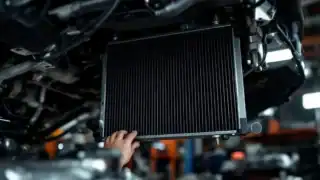
Several variables influence both price and turnaround time for radiator work. The biggest is whether the radiator core itself is damaged or whether the leak is in a hose or fitting. A hose replacement can be done the same day. A full radiator replacement typically takes longer because we need to drain the cooling system, remove the radiator, install the replacement, refill with the correct coolant mix, and bleed air from the system. Your Audi’s model also matters. Some radiator designs are easier to access than others.
Parts availability plays a role too. Genuine Audi radiators are usually in stock or available within a day or two. If you choose an aftermarket alternative, sourcing might be quicker or slower depending on supplier stock. We’ll give you a realistic timeframe once we’ve diagnosed the issue.
Coolant type and system capacity affect cost as well. Audi models use different coolant specifications (G11, G12, G13, G48), and using the correct type is essential to prevent corrosion and seal damage. We always confirm the right spec for your vehicle and factor that into the quote.
Why Audi Owners in Kirrawee Choose Shire Tune & Service for Radiator Repair
We’ve been servicing Audi vehicles in the local area for over 18 years, and European specialists is core to what we do. Our diagnostic equipment is up to date, which means we can test Audi cooling systems properly and identify the real problem rather than guessing. We’ve seen the common weak points in Audi radiators across different model generations, so diagnosis is usually fast and accurate.
Our pricing sits between the dealership and budget quick-fit operators. You get dealer-level capability on Audi cooling system work without the dealer markup. We use genuine parts where they protect your car’s long-term reliability, and we’re honest if an aftermarket option is a reasonable alternative. No upselling, no pressure to replace parts you don’t need. We quote fairly, explain what we’re doing, and stick to the plan unless something unexpected surfaces during the work.
With over 30 years’ hands-on experience across European vehicles, we understand Audi engineering. Your warranty on the repair work is backed by our confidence in the job, not corporate fine print. If you’re servicing your Audi on schedule, we’ll also check the radiator and cooling system health at no extra charge during minor servicing, catching problems before they become emergencies.
Next Steps for Your Audi Radiator
If you’ve noticed coolant leaks, overheating warnings, or any of the symptoms listed above, bring your Audi in for a diagnosis. Call Us Today to discuss what you’ve noticed, or Book Your Free Inspection online. We’ll inspect the cooling system thoroughly, identify the cause, and give you a clear explanation of your options before we start any work. Shire Tune & Service is here to keep your Audi running reliably in Kirrawee.