Your Audi’s radiator is the core of its cooling system, and when it starts to fail, the consequences happen fast. An Audi radiator replacement in Kirrawee isn’t something you want to delay or gamble with. A failing radiator can cause engine overheating, which damages internal components and leaves you stranded. We’ve seen too many Audis brought in for expensive engine repairs that could have been prevented by replacing a radiator earlier. This guide walks you through why radiator failure matters, what symptoms to watch for, and what a proper replacement involves.
Warning Signs Your Audi Radiator Needs Replacement
Radiators fail gradually, and your Audi will usually give you warning signs before complete failure. The trick is catching them early. Here’s what to watch for:
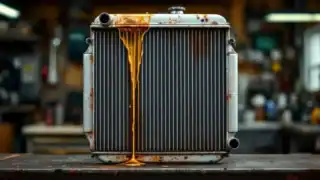
- Coolant leaks underneath the car, especially after it’s been parked overnight or for a few hours
- The engine running hotter than usual, visible on the temperature gauge creeping toward the red zone
- White steam or mist coming from under the bonnet, especially after driving uphill or in traffic
- A sweet smell from the engine bay (that’s coolant evaporating)
- Unexplained loss of coolant level without visible external leaks (internal corrosion)
- Rust-coloured or milky coolant when you check the expansion tank
- Coolant pooling under the radiator or visible damage to the radiator fins
Audi models are particularly prone to internal radiator corrosion if coolant intervals are missed or if aftermarket coolant is used instead of the manufacturer-specified fluid. The aluminium cores in modern Audi radiators can corrode from inside out, restricting flow without obvious external damage.
What Happens During an Audi Radiator Replacement
A proper radiator replacement isn’t just unbolting the old unit and bolting in a new one. It’s a methodical process that protects your engine and ensures the whole cooling system works as it should.
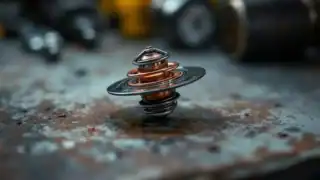
We start with a full coolant system inspection. Before removing anything, we test the coolant concentration, pH, and condition using a refractometer and chemical analysis. This tells us if the radiator failure is isolated or if the entire system is corroded. We also run our diagnostic scanner through your Audi to check for fault codes related to temperature sensors or thermostat function. Audi vehicles log coolant temperature data, and these codes help us identify whether the radiator alone is the problem or if the thermostat housing or water pump needs attention too.
Once we’ve diagnosed the issue, we drain the coolant system completely and safely. The old radiator is removed carefully, along with any hoses or brackets that are worn or brittle from age. We inspect the heater hoses, bypass hoses, and radiator mounting brackets. If they’re corroded or brittle, we replace them rather than reusing them and having them fail later.
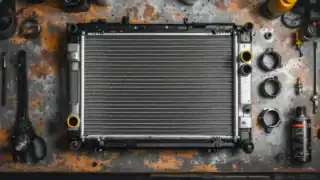
The replacement radiator we fit is either an OEM Audi unit or a quality genuine-equivalent part that meets Audi’s thermal and pressure specifications. We don’t compromise on radiator quality because an undersized or poorly-designed radiator will fail again within months. The new radiator is installed with fresh mounting rubbers and all bolts torqued to Audi specification.
Before we refill the system, we flush it thoroughly with demineralised water to remove any old coolant residue or debris. Then we refill with the correct Audi-specification coolant (usually G13 or equivalent), bleed the air from the system properly, and run the engine to operating temperature to confirm the thermostat opens, the fans engage, and there are no leaks.
Cost and Time Factors for Audi Radiator Work in Kirrawee
The cost of an Audi radiator replacement depends on several factors. The radiator itself varies in price depending on whether you choose an OEM part or an equivalent aftermarket radiator designed to Audi’s specs. Labour time is typically moderate because Audis are relatively straightforward to work on once we’ve removed trim and hoses, though some models have tighter engine bays than others.
The main variable is whether other components need attention at the same time. If the thermostat housing or water pump show wear, replacing them now saves you returning for another coolant system repair in six months. If the hoses are aged or the expansion tank is cracked, we’ll flag that and discuss options with you upfront. Coolant flushing adds time but protects the new radiator from contamination that would shorten its life.
Most radiator replacements take a half day to a full day depending on model and complexity. We’ll give you a realistic timeframe once we’ve inspected your car.
Why Shire Tune & Service Handles Audi Radiator Replacement the Right Way
We’ve been servicing European vehicles in Kirrawee for 18 years, and Audis make up a significant part of our work. We have the diagnostic equipment to read Audi fault codes and confirm cooling system status before we start, not after. That means you know exactly what’s needed and won’t be surprised by additional work midway through.
We use genuine or equivalent parts that meet Audi specifications, and we refill with correct-specification coolant. That protects your warranty and ensures the radiator performs as the engineers designed it. Over 30 years of hands-on experience means we catch secondary issues like aged hoses or corroded thermostats before they fail, saving you from another breakdown weeks later.
Our pricing is fair and transparent. No upselling, no surprise charges. We’ll show you the failed radiator, explain what we found during diagnostics, and discuss your options before we proceed.
If you’ve noticed coolant leaks, temperature gauge creeping up, or steam from the bonnet, don’t wait. Book Your Free Inspection with us today, or Call Us Today to discuss your Audi’s symptoms. We’ll get to the root cause and get your radiator sorted properly.