A failing radiator is one of the quickest ways to turn a reliable drive into a roadside breakdown. Great Wall radiator replacement becomes necessary when your cooling system can no longer manage engine heat, and catching the problem early protects both your vehicle and your wallet. At Shire Tune & Service in Kirrawee, we’ve spent over 30 years diagnosing and repairing cooling system faults across all makes and models, including the growing number of Great Wall vehicles in the Sutherland Shire. We understand how to approach Great Wall radiators specifically, using diagnostic tools that read your vehicle’s exact cooling behaviour to confirm whether replacement is truly the answer or whether a flush, thermostat check, or fan repair might solve the problem instead.
Signs Your Great Wall Radiator Needs Replacement
Your radiator doesn’t always fail suddenly. Most owners notice warning signs well before the engine overheats, and recognising them early means you can plan a repair rather than face an emergency.
- Temperature gauge climbing into the red zone, especially in traffic or on hills
- Sweet-smelling fluid pooling under the vehicle (coolant leak)
- White steam rising from under the bonnet after driving
- Visible rust, corrosion, or green or orange discolouration on the radiator core
- Coolant level dropping repeatedly between services, even with no visible leaks
- Engine running hotter than normal but no warning lights showing (sometimes a faulty fan relay, sometimes a blocked radiator)
- Heater blowing cold air when the engine is warm
Great Wall vehicles, like many Asian-market designs adapted for Australian conditions, can experience radiator corrosion more quickly in coastal areas such as Kirrawee due to salt air and fluctuating temperatures. If your Great Wall is more than five or six years old and showing any of these signs, a proper diagnosis is overdue.
What We Check During Great Wall Radiator Diagnosis
Before recommending replacement, we need to know whether the radiator itself is faulty or whether something else is driving the overheating. This distinction saves you money and time.
We start by measuring coolant levels and inspecting the radiator visually for leaks, corrosion, or physical damage. Using our diagnostic scanner, we read engine coolant temperature data in real time and compare it against Great Wall’s factory specifications. We check whether the cooling fan is engaging properly when temperatures climb, and we inspect hose connections and the thermostat housing for leaks that might masquerade as radiator failure.
If the radiator is genuinely blocked internally (a common fault when coolant hasn’t been flushed regularly), we’ll discuss whether a chemical flush might restore flow or whether the core damage is permanent. Radiators that have lost their ability to dissipate heat, cracked tanks, or internal corrosion that restricts coolant flow cannot be repaired and must be replaced.
For Great Wall models, we reference the manufacturer’s cooling system design and any known issues for your specific model year. Some Great Wall vehicles use radiators that are more prone to internal sludge buildup, so we pay particular attention to coolant condition and circulation pressure during our inspection.
What Great Wall Radiator Replacement Involves
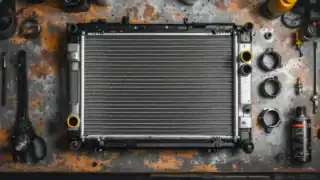
Once we’ve confirmed that replacement is necessary, the job itself is straightforward but methodical. We drain the old coolant responsibly (it’s toxic and must be disposed of correctly), disconnect the hoses and electric fan from the existing radiator, unbolt it from its mounts, and lift it out carefully to avoid damaging fins or nearby components.
We then fit a new radiator that matches Great Wall’s OEM specifications exactly. This means correct tank material, core thickness, inlet and outlet port sizing, and fan mounting points. We reconnect all hoses with fresh clamps, refill the system with the correct coolant type and concentration (Great Wall specifies particular long-life coolants for different markets), and bleed air from the system so you don’t end up with an airlock that starves the heater or creates hot spots in the engine.
Once installed, we run the engine and monitor coolant temperature through a full thermal cycle to ensure the new radiator is working as designed. We check for leaks around hose connections and the radiator seals, and we top up coolant if needed once the system stabilises.
Costs, Parts, and Timeline for Great Wall Radiator Replacement in Kirrawee
The cost of Great Wall radiator replacement depends on a few variables. A genuine OEM radiator will cost more than an aftermarket equivalent, but it carries the exact specification your vehicle was designed around and often comes with better warranty protection. We stock both options and can discuss the trade-offs honestly with you before we start.
Parts availability for Great Wall vehicles has improved significantly as more are registered locally, but some models may require a few days lead time. We’ll confirm availability upfront and give you a realistic timeline rather than guessing. Labour typically takes 1.5 to 2.5 hours depending on engine bay layout and whether any other cooling components need attention while we have the system open.
Coolant type matters too. Using the wrong specification coolant can lead to internal corrosion and future radiator failure, so we always refill with exactly what Great Wall recommends for your model.
Why Shire Tune & Service for Your Great Wall Radiator
We’ve been servicing European and Japanese vehicles for over 30 years, and we’ve brought those same standards to Great Wall and Chinese-market vehicles as ownership has grown in the Shire. Our diagnostic equipment reads Great Wall engine and cooling system data directly, so we’re never guessing whether a radiator truly needs replacement or whether a simpler fix will do. We use genuine parts or quality aftermarket equivalents matched to your vehicle’s specifications, and we price fairly without upsell pressure. If a radiator replacement protects your warranty and gets your Great Wall running cool again, that’s what we’ll recommend. If a flush or thermostat swap solves the problem, we’ll tell you that too.
Next Steps
If your Great Wall is running hot, losing coolant, or showing any of the signs listed above, don’t wait for a complete failure on the road. Call Us Today to describe what you’re noticing, or Book Your Free Inspection online. We’ll diagnose the problem quickly and give you honest advice on whether radiator replacement is needed and what it will cost.