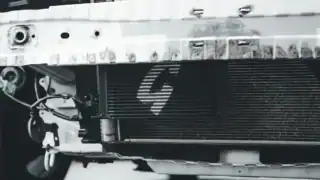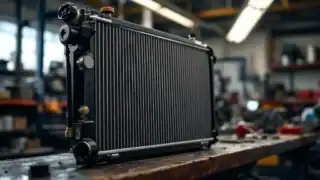
A radiator is one of the hardest-working parts of your Suzuki’s cooling system. Its job is straightforward but critical: it sits at the front of your vehicle and releases heat from the engine coolant into the air, keeping your engine operating at the right temperature. Without a functioning radiator, your engine quickly overheats, and that’s when serious damage happens fast. Suzuki radiator replacement becomes necessary when your radiator develops leaks, loses efficiency, or fails completely. We see this regularly at our Kirrawee workshop, and catching it early makes all the difference between a straightforward repair and a major rebuild.
Warning Signs Your Suzuki Radiator Needs Attention
Most radiator problems announce themselves clearly. The most obvious signal is coolant leaking underneath your vehicle, usually a bright green, orange, or pink puddle depending on which coolant type Suzuki specified for your model. You might also notice your temperature gauge creeping into the red zone, or the engine fan running constantly even when you’ve just started driving. Some drivers report a sweet smell coming from under the bonnet, which is often coolant escaping from a crack or loose hose connection.
Less dramatic but equally important: a radiator losing efficiency doesn’t always leak. Your engine temperature might climb gradually over months, especially in summer or during heavy driving. You might notice the cabin heater working poorly, or the engine running hotter than usual at idle. These signs suggest the radiator’s internal passages are becoming blocked by corrosion or sediment, or the radiator fins (the thin metal fins that release heat) are clogged with dirt and debris.
If your Suzuki’s temperature warning light comes on, never ignore it. Drive straight to a workshop and have the cooling system inspected properly. Continuing to drive an overheating engine risks catastrophic damage to head gaskets, cylinder heads, and the engine block itself.
How We Diagnose and Replace Your Suzuki Radiator in Kirrawee
When you bring your Suzuki in, our first step is a visual inspection of the radiator and all coolant hoses. We look for obvious damage, weeping seals, or corrosion. We then pressure-test the cooling system to pinpoint leaks precisely. If the radiator is failing, the pressure test reveals exactly where and how badly. We also check your coolant condition with a refractometer to see whether the existing coolant is still protecting the radiator from rust and corrosion, or whether it’s degraded and needs replacing anyway.
Suzuki models vary in radiator design and access. Some have straightforward bolt-in radiators; others require disconnecting the fan shroud, draining coolant, and working around engine bay components. We follow Suzuki’s service procedures for your specific model to ensure the job is done correctly without disturbing other systems. Once we remove the old radiator, we flush the entire cooling system to clear any sediment or corrosion particles that could clog a new radiator. This step protects your new radiator from failing prematurely.
We install either an OEM Suzuki radiator or a quality equivalent that meets Suzuki’s specifications. Both options perform identically and protect your manufacturer warranty. We then refill the system with the correct coolant type for your model, bleed out any air pockets that could trap heat, and test the system at operating temperature to confirm proper flow and thermostat function.
What Affects the Cost and Timeline for Radiator Replacement
The time required depends on how accessible your radiator is and whether other components need attention while we’re in there. Some Suzuki models have radiators that are quick to reach; others require us to remove the fan shroud or drain other fluids first. Most radiator replacements take between one and three hours.
Cost variables include the radiator itself, whether you choose OEM or aftermarket parts, and whether the cooling system needs additional work. If hoses are brittle, the thermostat is stuck, or the water pump is weak, addressing those issues now prevents another breakdown soon. We’ll always discuss these findings with you upfront so there are no surprises. Parts availability is rarely an issue for Suzuki radiators, but if your model is older or imported, we’ll let you know if we need to source it specially.
Why Choose Shire Tune & Service for Your Suzuki Cooling System Work
We’ve been servicing Japanese vehicles for over 30 years, and Suzuki cooling systems are familiar ground. We own the diagnostic equipment to pressure-test, thermal-image, and scope your cooling system properly, rather than guessing. This means we catch problems early and avoid replacing parts that don’t need replacing. We use genuine Suzuki parts or quality equivalents that match your vehicle’s specification, and we document everything so your logbook remains current and your warranty stays intact.
As a local owner-operator based in Kirrawee with 18 years serving the Sutherland Shire, we price fairly and don’t upsell. If your radiator can be repaired or flushed, we’ll tell you. If it truly needs replacement, we’ll explain why and what the timeline looks like. No surprises, no pressure.
Book Your Free Inspection for Suzuki Radiator Replacement Today
If your Suzuki’s temperature gauge is climbing or you’ve spotted coolant underneath your car, Book Your Free Inspection to get your cooling system diagnosed. We’ll identify the problem and talk you through your options before we touch anything. Call Us Today to arrange your appointment at our Kirrawee workshop and protect your Suzuki from overheating damage.