30+ Years Experience
Honest, Clear Pricing
5.0★ Rating
All Makes & Models

5.0 (Verified Reviews)

Top Rated European Vehicles Radiator Replacement In Kirrawee

Radiator replacement for European vehicles in Kirrawee. We fit genuine parts, test your cooling system thoroughly, and protect your warranty with transparent, fair pricing.

Expert Diagnostics

Honest Advice

5.0★ Rating

European Radiator Expertise

Book Your Free Inspection

Fill in the form and we'll be in touch to confirm your booking.

Booking Form
  • Vehicle Details
  • Confirm Vehicle
  • Services
  • Contact Details
No Upselling
Fair, Clear Pricing
Local & Experienced

Why Book With Us

Book Your Free Inspection
Drop Off Your Car
We Get to Work
Back on the Road

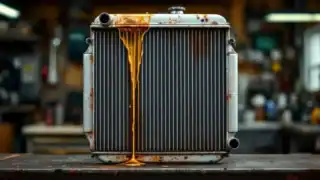
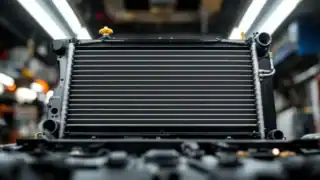
A radiator that’s failing will leave you stranded or risk serious engine damage. European vehicles in particular demand precision when it comes to cooling system work — their aluminium cores, specialist pressure caps, and integrated heater circuits mean that radiator replacement on a BMW, Audi, Mercedes, or Volkswagen requires more than just swapping parts. At Shire Tune & Service in Kirrawee, we handle European vehicles radiator replacement with the diagnostic accuracy and OEM-aligned parts knowledge that these precision-engineered cars deserve. Whether your radiator is leaking, blocking internally, or simply ageing beyond safe operation, we’ll get you back on the road reliably.

Signs Your European Vehicle Needs a Radiator Replacement

Radiator problems don’t always announce themselves dramatically. Some warnings are subtle enough that you might miss them until the cooling system fails completely. Watch for these indicators that your European vehicle’s radiator is deteriorating.

  • Coolant puddles under the car after parking, especially on concrete where the colour stands out clearly.
  • Visible corrosion, rust streaking, or green deposits on the radiator fins or hoses.
  • Engine temperature gauge climbing toward hot, or the temperature warning light flickering on briefly during normal driving.
  • Overheating that occurs during stop-start traffic but improves at highway speeds (sign of poor coolant circulation through a blocked core).
  • Sweet-smelling coolant odour inside the cabin or engine bay (indicates a leak or deterioration).
  • Coolant loss between services with no visible external leak (internal corrosion or a micro-fracture in the core).
  • Dashboard warning lights related to engine temperature or cooling system fault codes when scanned.

European vehicles, particularly older BMW and Mercedes models, are prone to radiator corrosion from within. The soft solder joints used in traditional radiator construction can weaken over time, especially if coolant hasn’t been changed to spec. Once internal corrosion begins, replacing the radiator becomes the most reliable fix — attempting to flush or treat the existing radiator rarely extends its life.

How We Diagnose and Replace Your Radiator

Replacing a radiator isn’t simply a parts swap. We begin with a full cooling system diagnostic to confirm the radiator is the root cause and to check the rest of the circuit — thermostat, water pump, hoses, and pressure cap all play a role. Using our up-to-date diagnostic equipment, we run a system pressure test to pinpoint leaks and verify coolant condition before we recommend replacement.

Once replacement is confirmed, here’s what our process includes.

We drain the coolant safely and dispose of it responsibly. We remove hoses, clips, and any components blocking radiator access — on some European models, this means dropping the front bumper cover or removing the radiator fan assembly. We carefully extract the old radiator, inspect the mounting points for corrosion or damage, and clean the surrounding area.

For European vehicles, we fit either an OEM-specification radiator or a genuine equivalent that meets the vehicle’s cooling capacity, pressure rating, and fitment standards. We won’t compromise on quality here — a cheap aftermarket radiator on a high-performance European engine is a false economy. We refill the system with the correct coolant type for your vehicle’s year and make, bleed any air pockets out of the circuit, and run the engine to verify proper cooling function and confirm no leaks are present.

If additional issues are discovered during removal — worn hoses, a failing thermostat, or a water pump showing signs of wear — we’ll discuss those findings with you upfront and explain whether they need attention now or can wait until your next service.

What Affects Cost and Timeframe for Radiator Replacement in Kirrawee

The cost of European vehicles radiator replacement varies based on several real factors, and we’re transparent about each one.

Vehicle model and radiator location: A radiator replacement on a compact Volkswagen Golf takes less labour time than accessing the radiator in a Mercedes C-Class or Audi A4, where other components must be removed first. The radiator itself also varies — some European models use larger, dual-core designs that cost more than single-core units.

Parts choice: OEM radiators carry a higher cost but guarantee exact fitment and performance. Genuine-equivalent aftermarket radiators offer better value without compromising quality. We’ll present both options and explain the difference so you can decide what suits your budget and the vehicle’s use.

System condition: If the thermostat, water pump, or hoses also need replacement, that extends both time and cost. We always confirm these extras with you in advance — no surprises.

Timeframe: A straightforward radiator replacement typically requires 2-4 hours, depending on the model. More complex access means a longer booking. We’ll give you a realistic estimate before we start.

Why Shire Tune & Service for Your European Vehicle’s Cooling System

We’ve spent over 30 years in automotive repair, with 18+ years servicing European vehicles in Kirrawee and the wider Sutherland Shire. Our experience with BMW, Audi, Mercedes, and Volkswagen models means we understand the quirks and engineering standards that make these cars run well — and what happens when cooling systems fail.

We use up-to-date diagnostic tools to verify that a radiator actually needs replacement, rather than recommending parts on a hunch. That honesty costs us money sometimes — it also builds trust. We stock genuine parts and proper-spec coolants, and we won’t fit a cheap aftermarket radiator on a European car when a quality alternative protects your investment and warranty. Our work is fair, transparent, and backed by our commitment to doing the job right the first time.

Ready to Get Your Radiator Sorted?

If your European vehicle is showing signs of overheating, coolant loss, or cooling system trouble, Call Us Today or Book Your Free Inspection online. We’ll diagnose the issue, explain your options, and get you back on the road with cooling that works.
Other Services

Whatever your needs we have you covered, see some similar services below or click "See All Services" to explore our full service offering.

Your Trusted Local Mechanic in Kirrawee

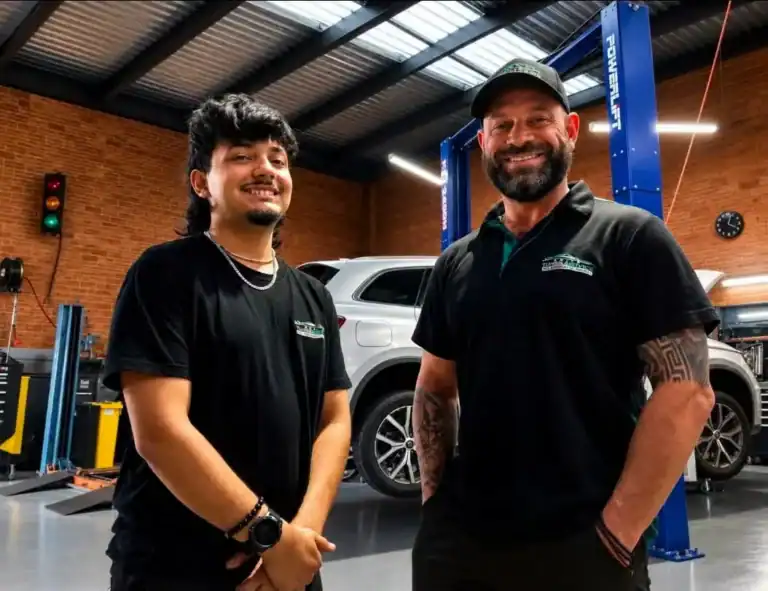
We've been looking after cars in Kirrawee and the Sutherland Shire for over 18 years. Owner-operated, honest to the core, and equipped to handle European and Japanese vehicles properly.

30+ Years of Hands-On Experience

Deep experience across European and Japanese makes means faster, more accurate diagnosis.

Honest Pricing, No Surprises

Bring your vehicle in and we’ll assess it and explain exactly what’s needed.

OEM-Spec Cooling System Parts

We source quality parts matched to your European vehicle’s cooling specifications.

How European Radiator Replacement Works

From diagnosis to a cooler-running engine, here's what happens when you book your radiator replacement.

Step 1

Book Your Free Inspection

Book your free inspection to assess your radiator and cooling system condition.

Step 2

Cooling System Diagnosis

We pressure-test your radiator, inspect hoses and connections, and identify leaks or corrosion.

Step 3

Radiator Replacement

We remove the old radiator, install a quality replacement, refill with correct coolant, and bleed the system.

Step 4

Final Check And Collection

We run a temperature test, check for leaks, and hand over your vehicle with confidence.

What Our Customers Say

5.0 (Verified Reviews)

Quality Parts From Trusted Suppliers

We source parts from reputable suppliers to keep your vehicle running reliably. Quality components, fitted right the first time.

Book Your Free Inspection

Fill in the form and we'll be in touch to confirm your booking.

Booking Form
  • Vehicle Details
  • Confirm Vehicle
  • Services
  • Contact Details
No Upselling
Fair, Clear Pricing
Local & Experienced

Why Book With Us

Book Your Free Inspection
Drop Off Your Car
We Get to Work
Back on the Road

Got Questions? We Have Answers

Browse the answers below to find what you need. If your question isn't listed, give us a call and we'll sort it out.

Most radiator replacements take between 1 and 3 hours, depending on how accessible the radiator is in your specific model. Some European vehicles require removal of additional components like fans, hoses, or trim panels before the radiator can come out. We’ll give you a realistic timeframe when you drop the car off so you know what to expect.

Radiators fail through corrosion, internal blockages, or physical damage. Coolant breakdown over time allows rust to form inside the core, reducing cooling efficiency. External impacts, vibration, and poor-quality coolant all speed up failure. Many European vehicles are also prone to radiator issues if the cooling system hasn’t been flushed regularly or if non-genuine coolant has been used.

No. A leaking radiator means your engine loses coolant and can overheat within minutes, risking serious engine damage. Once overheating starts, you’re looking at potential head gasket failure or warped cylinder heads, which are far more expensive to repair. If you spot leaks or notice your temperature gauge creeping up, stop driving and get it checked right away to avoid a breakdown and costly repairs.

We drain the existing coolant, disconnect hoses and mounting brackets, remove the failed radiator, and install a new one. We then refill the cooling system with fresh coolant, bleed air from the lines, and run the engine to check for leaks and proper temperature control. We also inspect surrounding components like hoses and the thermostat to catch any other cooling system issues before they cause problems.

Under Australian Consumer Law, as guided by the ACCC, independent servicing and repairs generally don’t void your manufacturer warranty provided the work is done professionally and to standard. However, warranty terms vary between manufacturers, so we recommend checking your specific warranty paperwork or contacting your manufacturer if you have concerns. We use quality parts and keep detailed service records to protect your position.

Most manufacturers recommend a coolant flush every 2 to 3 years or 40,000 to 60,000 kilometres. This removes corrosive particles and keeps the cooling system working efficiently, which helps prevent radiator failure. If you’re using an older European vehicle or notice rust-coloured coolant, flushing sooner is wise. Regular maintenance catches small cooling issues before they become an expensive radiator replacement.

Genuine radiators are built to the manufacturer’s exact specifications and materials, ensuring perfect fit and long-term reliability. Aftermarket radiators are cheaper but can vary in quality and durability. We stock quality parts that meet or exceed original specifications at fair pricing. For European vehicles in particular, we recommend discussing your options with us so you get a radiator that suits your vehicle’s needs and your budget.

Yes. A radiator replacement is a repair, not a scheduled service component, so it won’t disrupt your logbook servicing. We record all work on your service history, and you can continue following your manufacturer’s logbook schedule separately. If your radiator fails between logbook services, we’ll handle the replacement and keep your records clear so your next scheduled service stays on track.

Stop driving immediately and let the engine cool for at least 15 minutes before checking coolant levels. Never open the radiator cap while hot as pressurised coolant can cause burns. If coolant is low, top it up with a 50/50 mix of coolant and water, but this is a temporary fix. Overheating usually signals a failing radiator, thermostat, or pump, so book an inspection as soon as possible to prevent engine damage.

Small leaks or blockages sometimes respond to flushing or patching, but once a radiator core is corroded or cracked, replacement is the only reliable fix. A pressure test and inspection will show us the extent of the damage. We’ll be honest about whether a repair makes sense or if replacement is your best option. Trying to patch a severely damaged radiator often leads to breakdown and bigger repair bills down the track.

Continue to site