A failing radiator is one of the most common cooling system problems we see at Shire Tune & Service in Kirrawee, and it’s one of the most critical to address quickly. Renault radiator replacement becomes necessary when your cooling system can no longer regulate engine temperature effectively, and ignoring the warning signs can lead to engine damage that’s far more expensive to repair. Whether you’re driving a Renault Clio, Megane, Duster, or any other model in the Sutherland Shire, understanding what happens during a radiator replacement and why it matters will help you make an informed decision about your vehicle’s care.
What Are the Warning Signs Your Renault Needs a New Radiator?
Most drivers don’t think about their radiator until something goes wrong. The cooling system works quietly in the background, but several clear symptoms tell you it’s time to act.
- Coolant leaks underneath your vehicle after parking. Renault radiators are typically aluminium with plastic end tanks, which can crack or develop pinhole leaks over time, especially after 8-10 years of use.
- The temperature gauge creeping toward the red zone, particularly in traffic or on warm days. Your engine is struggling to shed heat because the radiator isn’t transferring it away efficiently.
- Steam coming from under the bonnet or a sweet smell inside the cabin. This usually signals an active coolant leak or severe overheating.
- Discoloured or milky coolant when you check the overflow tank. This often means corrosion inside the radiator is breaking down the cooling fluid’s ability to work properly.
- The radiator fans running constantly or cycling more than usual. The engine control unit is detecting high temperatures and working harder to compensate for a radiator that’s lost efficiency.
If you notice any of these, don’t wait for the engine to overheat. Driving on an overheating engine, even for a short distance, can warp the cylinder head or damage the gaskets. It’s far better to have your cooling system inspected and diagnosed early.
How We Diagnose and Replace Your Renault Radiator
When you bring your Renault in, we start by checking the system pressure and temperature behaviour under load. Many radiator problems aren’t obvious at idle; they show up once the engine is working hard. We’ll inspect the radiator itself for leaks, corrosion, and blockages, and test the coolant chemistry to see if it’s been degraded by age or contamination.
Renault models often benefit from a full cooling system flush as part of the replacement process. If the old coolant has turned brown or shows signs of corrosion, flushing removes rust particles and scale that accumulate inside the water jacket and hoses. This protects your new radiator and keeps the whole system running efficiently.
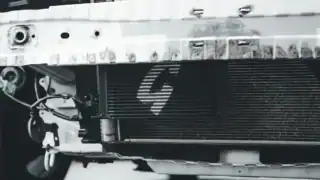
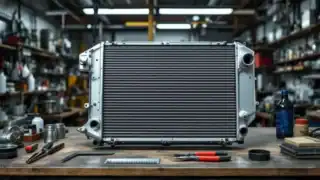
The actual replacement involves draining the coolant, removing the hoses and mounting brackets, and carefully lifting out the old radiator. We then install a replacement that matches Renault’s OEM specifications for your model year. Depending on the model and engine size, we may also check or replace the thermostat and fan switch at the same time, since these components often wear together and can affect radiator performance if they’re not functioning correctly.
Once the new radiator is in place, we refill the system with the correct coolant specification for your Renault (usually a long-life pink or orange ethylene glycol blend), bleed air from the system, and run a full temperature test to confirm everything is working as it should.
What Affects Cost and Timeline for Radiator Replacement in Kirrawee
Several factors influence how long the job takes and what you’ll pay. The first is whether we use a genuine Renault radiator or a quality aftermarket equivalent that meets the same specifications. Both are reliable options; the main difference is cost and lead time. Some original Renault parts take longer to arrive, while proven aftermarket radiators are often in stock and ready to fit immediately.
The second factor is whether additional work is needed. If your thermostat is sticking or your fans aren’t cycling correctly, we’ll flag that during diagnosis. Fixing these issues at the same time prevents you from returning a few months later with another overheating problem.
Access also plays a role. Some Renault models require removal of the bumper, intercooler, or other components to reach the radiator safely. This adds time but makes sure we don’t damage anything else during the work.
We’ll always explain exactly what needs doing and why before we start, so there are no surprises on the bill. Our approach is honest advice without upselling. If the radiator can limp along for a bit longer, we’ll tell you that. If it needs replacing now, we’ll explain why and what it costs.
Why Shire Tune & Service for Your Renault Radiator Replacement
We’ve been servicing European and Japanese vehicles across the Shire for over 18 years, and Renault cooling systems are well within our wheelhouse. We have the diagnostic equipment to pressure-test your system properly and spot developing problems before they strand you. We also stock genuine parts and quality equivalents, so we’re not dependent on long lead times that leave you without your car for weeks.
Because we’re an independent workshop, not a franchise, we can discuss your options without pushing you toward the most expensive solution. If a radiator flush might buy you time, we’ll say so. If you genuinely need a new radiator now, we’ll explain why and fit one that’s right for your Renault and your budget.
Our work protects your manufacturer warranty, and we keep detailed records of everything we do. That honesty and transparency is why locals in Kirrawee and across the Sutherland Shire keep coming back to us for their European vehicle servicing and repairs.
If you’ve noticed any cooling system warning signs or want a professional inspection of your radiator and fans, Call Us Today to Book Your Free Inspection. We’ll let you know what’s happening with your Renault radiator and what needs to be done next. Our team in Kirrawee is ready to help.