A Volkswagen radiator repair often means the difference between a car that gets you reliably through winter and one that leaves you stranded on the side of the road. The radiator is central to your cooling system, and when it fails—whether through a leak, internal blockage, or corrosion—your engine temperature can spike dangerously within minutes. We service Volkswagen vehicles regularly here in Kirrawee, and radiator issues are among the faults we catch and fix before they cause serious engine damage.
Warning Signs Your Volkswagen Radiator Needs Attention
Not every radiator problem announces itself loudly. Some develop slowly, and catching them early saves both time and money. Watch for these telltale symptoms:
- Coolant pooling under your car, especially after it’s been parked overnight
- The temperature gauge climbing toward the red zone during normal driving
- A sweet-smelling puddle or mist coming from under the bonnet
- Steam rising from the engine bay, particularly in traffic
- Discoloured coolant in the overflow tank (rusty brown instead of bright green or pink)
- Repeated low coolant warnings on the dashboard
- White residue or crusty deposits around radiator hose connections
Volkswagen radiators are built to last, but they’re exposed to constant thermal stress. Over time, the internal cooling fins can corrode, the solder joints weaken, and small cracks develop. A Volkswagen radiator leak repair becomes urgent the moment you notice pooling coolant—driving with insufficient coolant risks catastrophic engine overheating.
How We Diagnose and Repair Volkswagen Radiator Issues
Our diagnostic approach starts with a full cooling system inspection. We begin by checking coolant level and condition, examining all hose connections for weeping, and inspecting the radiator itself for visible damage or discolouration. For Volkswagen vehicles, we follow the manufacturer’s cooling system service specifications, which vary slightly between models—Golf, Passat, Beetle, Tiguan, and others each have particular coolant requirements and service intervals outlined in the VW logbook.
If a leak is visible, we isolate exactly where it’s coming from. Many apparent radiator failures are actually failed hose clamps or deteriorated hose ends—these are far cheaper to address than a full radiator replacement. We pressure-test the system under controlled conditions to confirm the radiator’s integrity and identify internal leaks that aren’t visible to the naked eye.
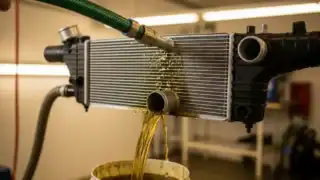
Once we’ve established the fault, we discuss your options clearly. If the radiator core itself is compromised, repair isn’t viable—the radiator will need replacement. We use genuine Volkswagen radiators or equivalent OEM-spec units that match your vehicle’s cooling capacity and connection points precisely. Undersized or poorly matched radiators create new problems down the track. If the issue is a failed hose, clamp, or thermostat, we replace only what’s faulty and flush the system to remove contaminants that can damage your newly repaired radiator.
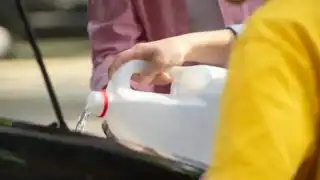
For Volkswagen coolant systems, we use the correct specification coolant for your model year. Volkswagen changed coolant formulations over time, and mixing incompatible coolants reduces their protective properties. We verify your specific requirement and top up or flush according to what your car actually needs, not what we have on the shelf.
What Influences Timeline and Cost for Radiator Repair in Kirrawee
The time required for Volkswagen radiator repair depends mainly on what we find. If the fault is a failed hose or clamp, the work is straightforward—typically completed in a couple of hours. If radiator replacement is necessary, access varies by model. Some VW radiators sit in an easy-to-reach location; others require removal of bumper trim, fans, or other components to extract safely. A full radiator replacement might take half a day or a full day depending on what’s in the way.
Coolant system flushing adds time if contaminants are present, but it’s essential—old, degraded coolant left in the system shortens the life of your new radiator and can clog thermostat housings. We don’t skip this step to save time.
Parts availability affects cost and timeline too. Genuine Volkswagen radiators are usually in stock or available within 24 hours. Aftermarket equivalents may be cheaper upfront but sometimes require longer lead times or fit less precisely. We discuss both options with you upfront and explain the trade-offs honestly—there’s no pressure to choose the most expensive option, but we’ll always recommend what offers the best long-term value for your specific vehicle.
Why Volkswagen Owners Trust Us for Cooling System Work
We’ve been servicing European vehicles, including Volkswagen, for over 30 years. In that time, we’ve developed a deep familiarity with common cooling system faults on VW models and the diagnostic equipment to pinpoint them accurately. We use current diagnostic tools that read Volkswagen fault codes and monitor live sensor data, so we never guess or replace parts hoping the problem goes away.
We’re honest about what your car needs. If a radiator repair isn’t necessary—if the fault is a loose clamp or a failed hose—we tell you that, and we fix only what’s broken. Our pricing is transparent; we explain every step before we start work. We also protect your manufacturer warranty—genuine or equivalent OEM parts and proper service procedures mean your Volkswagen remains covered by any remaining factory warranty.
As an independent workshop in Kirrawee with 18 years of local history, we’re not pushing unnecessary work to meet targets. We’re here to keep your Volkswagen reliable and on the road. Our 5.0 verified reviews reflect our commitment to honest diagnosis and quality workmanship on every Volkswagen radiator service and repair.
Next Steps: Get Your Volkswagen Cooling System Checked
If you’ve noticed coolant leaks, temperature gauge fluctuations, or steam from the engine bay, don’t delay. A small radiator leak becomes a catastrophic failure surprisingly quickly. Call Us Today to describe what you’re seeing, or Book Your Free Inspection online. We’ll diagnose the fault, explain exactly what’s needed, and give you a clear picture of cost and timing before we touch a spanner.